
Steps, Stoops and Retaining Walls Across Camillus
Ground level masonry is where the add-ons get sold, so this page is mostly about what to decline and what to get on paper.
Retaining Walls and Steps quote in Camillus
Share a few details so we can confirm coverage and arrange the right next step.
Would you rather talk it through? Call (315) 640-3590, answered 24/7.
$100 off your first job
Credited by us on your first booked job.
- One credit per customer per property, on your first booked job.
- Valid through December 31, 2026.
Mention this offer when you book. Full terms.
What to decline on a Camillus ground level job
Steps, stoops, porch piers and retaining walls are the masonry most often quoted with extras attached, and two things are worth knowing before you agree to any of them. The brick industry's own summary instruction on mortar admixtures is one line long: do not use water repellent admixtures. And New York requires every home improvement contract to be evidenced by a signed writing, with a description of the work and the materials including identifying information, the start and completion dates, a progress payment schedule where applicable and a three day cancellation right. In a town of 11,481 homes, that paperwork is the real protection.
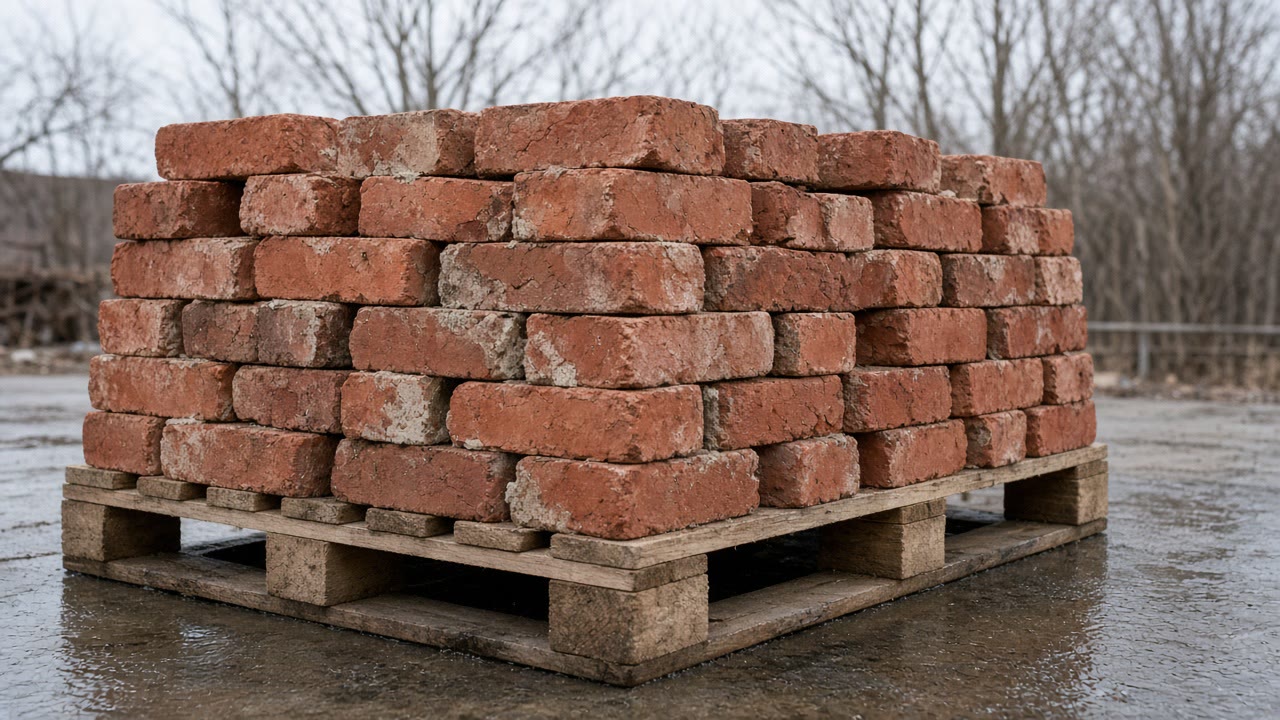
What retaining walls and steps involves


What belongs in the contract before work starts
Get four things written down and most of what goes wrong on this kind of job cannot happen. The materials, including the mortar and whatever goes behind a retaining wall. The approximate dates work begins and is substantially complete, with any contingencies stated. The progress payments set against stages of completion, where there are stages. And the notice that you may cancel until midnight of the third business day after signing. That is not caution on our part, it is what section 771 already requires, and a contractor who resists writing it down is telling you how the rest will go.
Decline the water repellent admixture
Among its summary instructions on admixtures the brick industry states plainly: do not use water repellent admixtures. It also says an air entraining agent should not be used alongside a bond enhancer, and that two air entraining materials shall not be combined in mortar. Additives sold on a set of steps deserve a hard question.
The contract is not optional in New York
Section 771 requires a signed writing carrying the contractor's name, address and telephone number, the approximate start and substantial completion dates with contingencies, a description of the work and materials with the agreed price, the mechanic's lien notice, the escrow or bond notice, progress payments against stages, the three day cancellation right and disclosure of the contractor's insurance with the insurer's contact details.
Village walls and town walls get different scopes
The village is 32.2 percent prewar and the town 6.1 percent, so a village stoop is likely brick or stone sitting on a rubble base and a Fairmount one is likely block with a veneer. They fail differently, they get rebuilt differently, and one scope of works does not cover both.
What the contract has to say, in a town of 11,481 homes
Among its summary instructions on mortar admixtures the Brick Industry Association states plainly: do not use water-repellent admixtures. It also states that when a bond enhancer admixture is used an air-entraining agent should not be used, and that two air-entraining materials shall not be combined in mortar.
Source: Brick Industry Association, Technical Note 8, Mortars for Brickwork, March 2020, reporting the requirements of ASTM C270 Standard Specification for Mortar for Unit Masonry, accessed 2026-09-10
New York General Business Law section 771, part of Article 36-A on home improvement contracts, requires every home improvement contract to be evidenced by a writing signed by all the parties. The writing must contain the contractor's name, address, telephone number and license number if applicable; the approximate or estimated dates when the work will begin and be substantially completed, including a statement of any contingencies; a description of the work to be performed and the materials to be provided to the owner, including make, model number or any other identifying information, together with the agreed consideration for the work and materials; a notice that any contractor or materialman who is not paid may file a mechanic's lien against the property; a notice that the contractor must deposit payments received before completion in escrow or alternatively post a bond or letter of credit; a schedule of progress payments against stages of completion where applicable; a notice that the owner may cancel the contract until midnight of the third business day after signing; and a disclosure of the contractor's property and casualty insurance coverage with the insurer's contact information.
Source: New York General Business Law section 771, via the New York State Senate, accessed 2026-09-10
Camillus village has 771 housing units with a median year of construction of 1958 and a pre-1940 share of 32.2 percent. The Town of Camillus around it has 11,481 units, a median of 1966 and a pre-1940 share of 6.1 percent, so the village's prewar share is more than five times the town's. Fairmount, the largest census place inside the town, has 4,569 units, a median of 1961, a pre-1940 share of just 5.0 percent and 38.9 percent of its stock built in the 1950s alone.
Source: US Census Bureau, American Community Survey 2020-2024 5-year estimates, table B25034 Year Structure Built and table B25035 Median Year Structure Built, accessed 2026-09-10
What is the wall actually holding back?
Send the Camillus address and say what sits behind or above it. That decides whether this is masonry or drainage.
Other Camillus masonry down at ground level
Ground level questions from Camillus owners
A contractor offered to add a water repellent to the mortar on our steps. Should we?
No. The brick industry's own summary instruction on admixtures is exactly that: do not use water repellent admixtures. It also says an air entraining agent should not be combined with a bond enhancer, and that two air entraining materials should not be combined in a mortar. If somebody is selling additives on a set of steps, ask what problem the additive solves that correct detailing does not, and expect the answer to be thin.
What has to be in writing for a masonry job in Camillus?
More than most people expect, and it is state law rather than our preference. Section 771 requires a signed writing with the contractor's name, address and telephone number, the approximate start and substantial completion dates including contingencies, a description of the work and materials with identifying information and the agreed price, the mechanic's lien notice, the escrow or bond notice, a progress payment schedule where applicable, the three day cancellation right, and disclosure of the contractor's property and casualty insurance with the insurer's contact information.
Get a Camillus ground level job on paper
Steps breaking up, a stoop pulling away, a retaining wall leaning out: describe it with the address, no obligation.