
Masonry Work We Arrange in Onondaga County
These split by what has failed, not by how much brick is involved, because the fix and the price are nothing alike. Soft, hollow or missing joints with sound brick is repointing. Brick faces flaking and popping off is unit replacement, and the joints are usually what took them. A crack stepping up from the corner of a window is steel rather than settlement, and filling it makes it worse. The chimney is its own job because it is the wettest masonry on the house, and anything at ground level is decided by drainage and frost instead of by the face you can see. The two commonest failures here even have different maps: soft brick tracks the pre-1940 housing, and rusting lintels track the 1940 to 1959 tracts. Each card opens with the one thing to look at, and on masonry that is usually visible from the sidewalk without anyone opening anything up.
What we arrange
Repointing and Mortar Joint Repair
Repointing is cutting the failed mortar out of the joints and packing new mortar in, and tuckpointing is the name most homeowners use for the same job. Done right it buys decades, and it can be done again. Done with the wrong mix it takes the brick with it. National Park Service Preservation Brief 2, the federal guidance on this work, sets four criteria for a repointing mortar and two of them are invisible in a finished joint: the new mortar has to be more vapor permeable and softer, measured in compressive strength, than the masonry units around it. So the useful question is not how strong the mortar will be. It is which type it is, and how the mason knows it is softer than your brick.
Read more →Chimney Repair and Rebuilding
A chimney is the wettest and most exposed masonry on the house and it fails from the top down, so the job is usually decided by how far the damage has reached. A cracked crown with a few soft courses under it is a top rebuild. Brick spalling several feet down means water has been in the stack for years and the rebuild starts at the roofline. A stack that is leaning is a different problem again, because that is the footing talking and pointing the joints it opened will not stop it moving. The part most homeowners have never been told is that the geometry is set by the Residential Code of New York State: a chimney has to reach at least three feet above the point where it passes through the roof, and at least two feet above any part of the building within ten feet. A stack that was already short, or that a previous repair shortened, is not going back the way it was, and that has to be settled before the work is priced.
Read more →Lintel Repair and Opening Repairs
Almost every brick and brick veneer house here has a steel angle spanning the top of each window, door and garage opening, holding up the masonry above it. When bare steel corrodes it does not simply get thinner, it swells. Engineers at Wiss, Janney, Elstner Associates put rust scale at up to ten times the volume of the original metal, and a lintel enclosed by brick has nowhere to put that expansion except into the wall. So it lifts the course above the opening, opens the joints and drives a step crack diagonally up from the corner. That is why the crack over your window is not settlement, why it will not stay the size it is, and why filling it is the wrong move: sealing it keeps the water at the steel and the steel keeps growing.
Read more →Brick and Stone Replacement
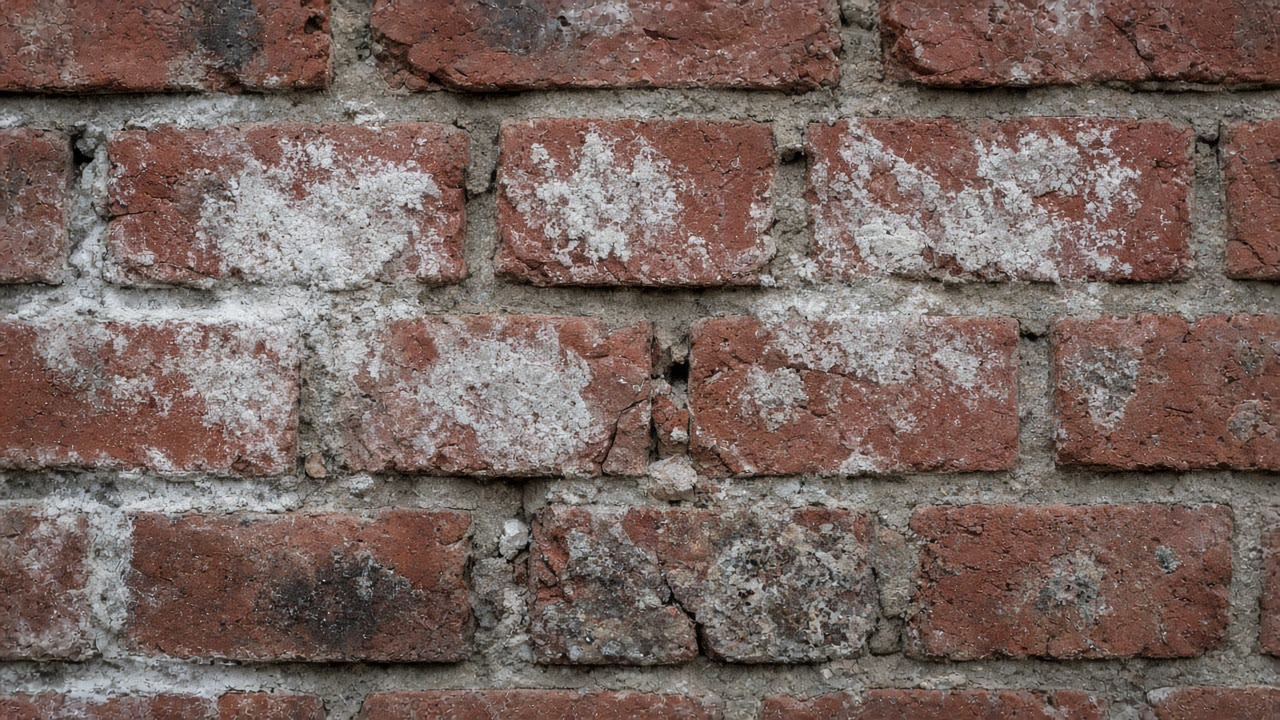
A brick has a hard fired skin and a soft interior, and once the skin is gone the inside soaks up water and this climate does the rest. Cutting the failed units out and replacing them is ordinary masonry work. What decides whether it lasts is why they failed, and the answer is usually in the joints around them. The National Park Service publishes a photograph of a brick wall wrecked by hard portland cement mortar less permeable than the soft bricks, captioned with the mechanism: moisture trapped in the wall could not evaporate through the mortar, which is intended to be sacrificial and so protect the bricks, and stayed there until water pressure popped the surface off them. So the quote worth reading is the one that changes the mortar at the same time. Anyone pricing new brick into old hard joints is pricing the damage to happen again.
Read more →Retaining Walls, Steps and Foundation Masonry
Masonry at ground level fails differently from the rest of the house, and it fails for reasons you cannot see from the front. Down here the wall is wet from below as well as above, snow sits on every horizontal surface for months, and frost gets under the footing. That is why a leaning retaining wall, a settling stoop and a bulging foundation wall are movement problems rather than joint problems: repointing what has opened up does not put back what moved. The state code's standard for a masonry footing is instructive even where it is not being applied to your particular wall, because it is concrete or solid masonry at least 12 inches thick, extending at least six inches beyond the wall it supports, founded on natural undisturbed earth or engineered fill below frost depth. Anything bearing shallower than that gets lifted every winter, and here the temperature crosses freezing on roughly 84 days of a normal year rather than freezing once and staying there.
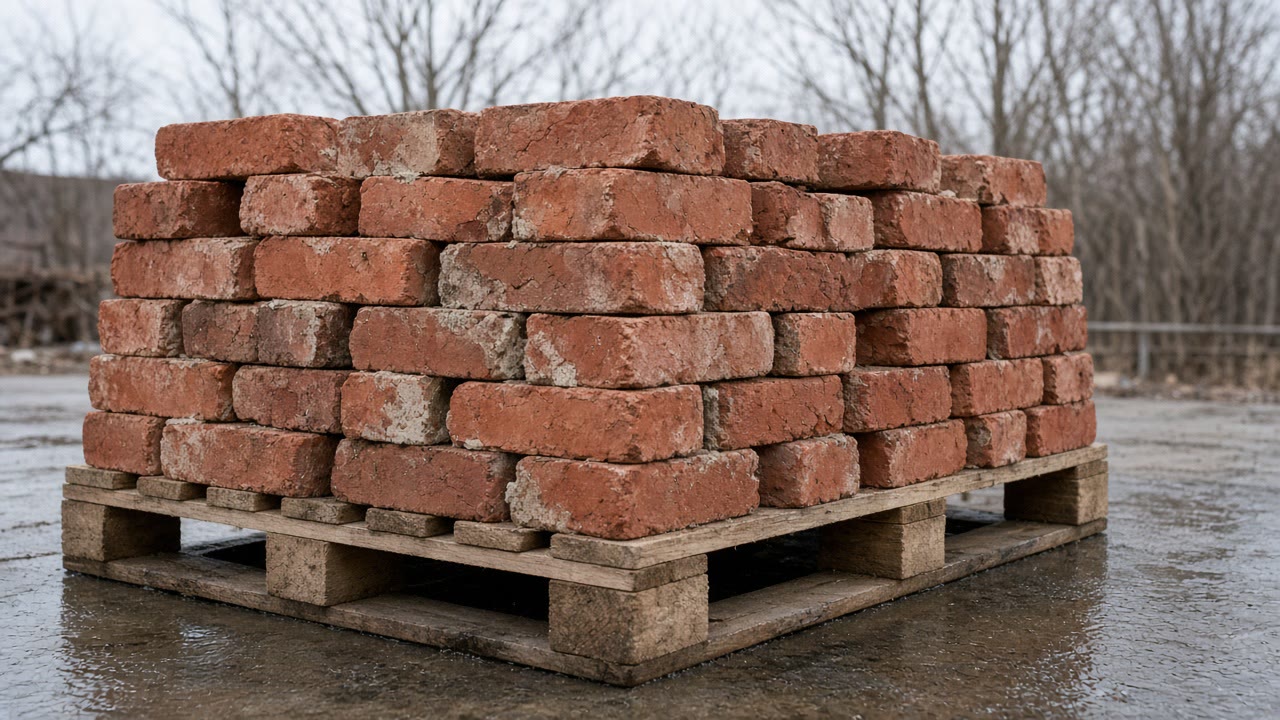
Read more →The equipment these jobs actually arrive with

Not sure which one you need?
Describe the problem and we will point you to the right work.
Request a Quote
Share a few details so we can confirm coverage and arrange the right next step.
Would you rather talk it through? Call (315) 640-3590, answered 24/7.
$100 off your first job
Credited by us on your first booked job.
- One credit per customer per property, on your first booked job.
- Valid through December 31, 2026.
Mention this offer when you book. Full terms.
Tell us what you are seeing
Tell us what you are dealing with and we will take it from there.