
Repointing in Camillus Village and Out in the Town
One name, two entirely different walls: the village is more than five times as prewar as the town wrapped around it.
Repointing quote in Camillus
Share a few details so we can confirm coverage and arrange the right next step.
Would you rather talk it through? Call (315) 640-3590, answered 24/7.
$100 off your first job
Credited by us on your first booked job.
- One credit per customer per property, on your first booked job.
- Valid through December 31, 2026.
Mention this offer when you book. Full terms.
32.2 percent in the village, 6.1 percent in the town
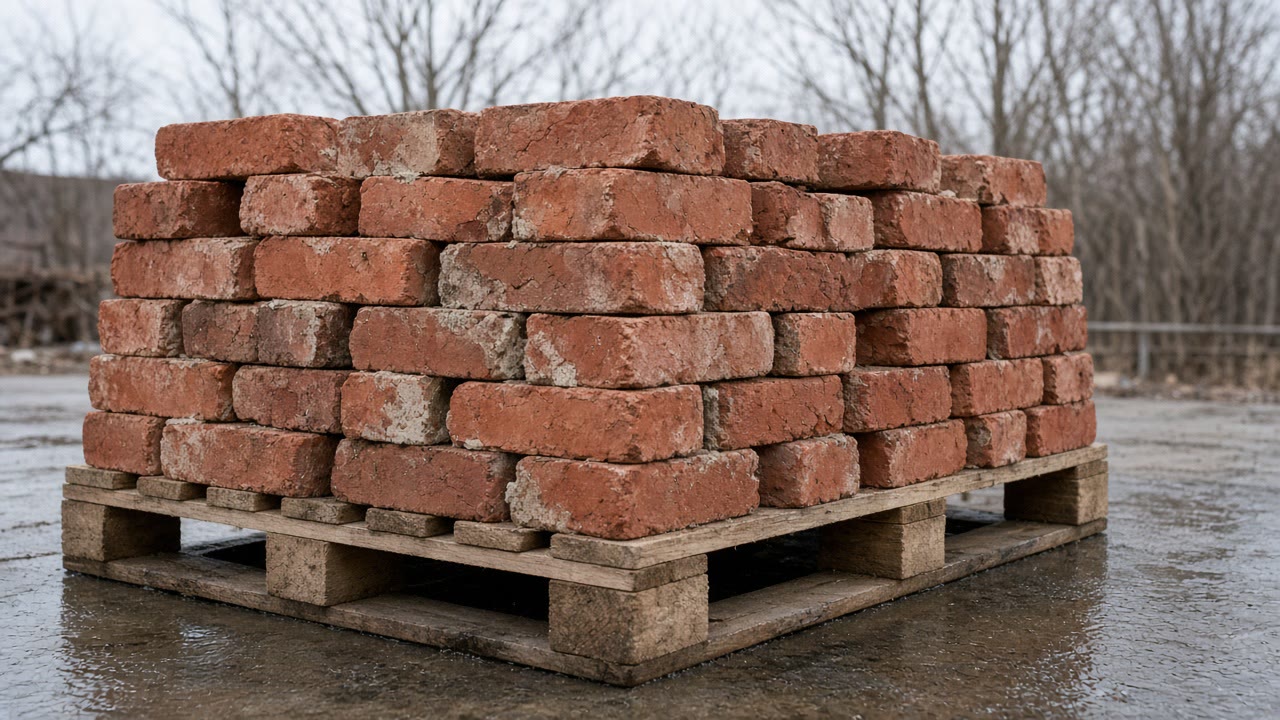
Camillus village has 771 housing units with a median year of construction of 1958 and a pre-1940 share of 32.2 percent. The Town of Camillus around it has 11,481 units, a median of 1966 and a pre-1940 share of 6.1 percent, so the village's prewar share is more than five times the town's. Fairmount, the largest census place inside the town, has 4,569 units, a median of 1961, a pre-1940 share of just 5.0 percent and 38.9 percent of its stock built in the 1950s alone.
Source: US Census Bureau, American Community Survey 2020-2024 5-year estimates, table B25034 Year Structure Built and table B25035 Median Year Structure Built, accessed 2026-09-10
Preservation Brief 2 states in its own scope note that the Brief was expanded to acknowledge that many buildings constructed in the first half of the twentieth century are now historic, and that they may have been originally constructed with portland cement mortar.
Source: National Park Service, Technical Preservation Services, Preservation Brief 2: Repointing Mortar Joints in Historic Masonry Buildings, by Robert C. Mack, FAIA, and John P. Speweik, 1998, accessed 2026-09-10
Ranked by the share of housing built in 1939 or earlier, the places of Onondaga County spread very widely: Skaneateles village 54.3 percent, East Syracuse village 54.0, Liverpool village 50.2, Solvay village 43.1, the City of Syracuse 43.1, Marcellus village 38.4, Skaneateles town 36.6, Camillus village 32.2, Marcellus town 31.8, Baldwinsville village 20.6, Fayetteville village 20.7, DeWitt town 18.7, North Syracuse village 14.9, Salina town 14.5, Manlius town 11.2, Cicero town 6.9, Camillus town 6.1 and Clay town 3.2.
Source: US Census Bureau, American Community Survey 2020-2024 5-year estimates, table B25034 Year Structure Built and table B25035 Median Year Structure Built, accessed 2026-09-10
The fivefold Camillus split, and what it does to a mix
Which side of the village line you are on decides the mortar here, and the gap is the widest in the county. Camillus village is 32.2 percent pre-1940 across its 771 homes. The Town of Camillus around it, with 11,481 homes and a median build year of 1966, is 6.1 percent. So a village wall usually wants the soft historic answer and a town wall usually does not, and a quote that treats them alike is guessing at one of them. There is a middle case too, and it is the interesting one: a house from the first half of the twentieth century may already have been built with portland cement mortar.
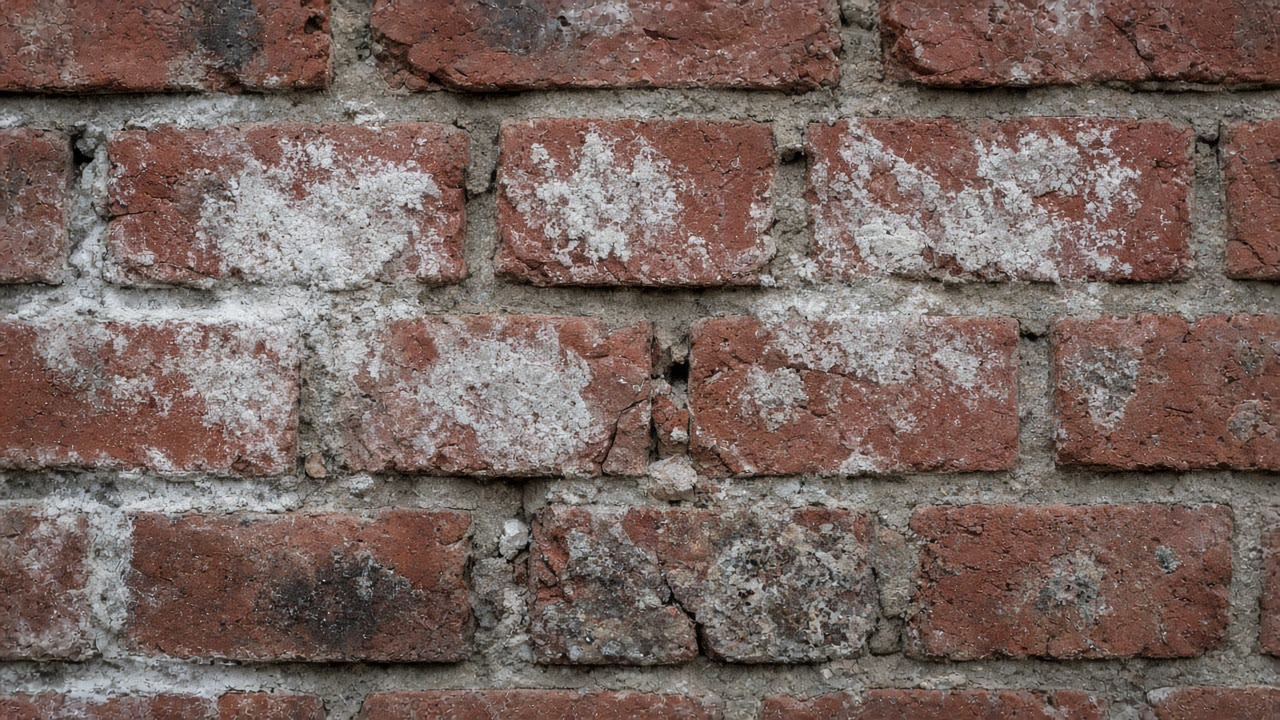
Which of the three Camillus walls do you have
Three cases, and the address plus the build decade sorts them in a minute. A village house from before 1940 wants a mix softer and more permeable than its brick, no argument. A house from the 1950s or 1960s out in the town usually has harder brick and a cement mortar already, so a lime rich mix would be wrong in the other direction. And a house from the 1920s or 1930s sits in between, because the federal guidance acknowledges that many buildings from the first half of the twentieth century are now historic and may have been built with portland cement mortar from the start. Match what is there.
The widest village to town gap in the county
32.2 percent prewar in the village against 6.1 percent in the town, with Fairmount lower still at 5.0 percent and a median build year of 1961. Two houses with the same postal town on the envelope can need opposite answers, which is why we ask for the address before we say anything about mortar.
Early twentieth century may already be cement
The federal guidance notes in its own scope that many buildings constructed in the first half of the twentieth century are now historic and may have been originally built with portland cement mortar. So a 1925 house is not automatically a lime mortar house, and matching what is actually there beats applying a rule.
Where Camillus sits among its neighbors
On the county's prewar ranking Camillus village is eighth at 32.2 percent, between Skaneateles town at 36.6 and Marcellus town at 31.8. The Town of Camillus is second from the bottom at 6.1 percent, above only Clay at 3.2. Same name, opposite ends of one table.
Village, Fairmount, or elsewhere in the town?
Send the address with the build decade if you know it. In Camillus those two facts change the answer completely.
Other masonry we handle on both sides of the line
Repointing questions from Camillus and Fairmount
Our house is in Fairmount and dates from about 1957. Does it need special mortar?
Probably not the soft historic answer, and saying that plainly saves you money. A house of that vintage generally has harder brick and was built with a cement based mortar, so matching what is there means something in the normal range rather than a lime rich mix. The question that does matter on your house is what is happening over the windows and the garage opening, because your build decade is the one where bare steel was standard, and we have a page for exactly that.
How can I tell which mortar my Camillus house already has?
Two rough tests and a caveat. Scratch a joint with a key: if it powders away easily you are probably in lime rich territory, and if it barely marks you are likely looking at a cement mortar. Then look at the brick faces beside the joints, because a crisp hard joint next to spalling brick is the tell that the mix is already too strong for the wall. The caveat is that neither test replaces someone looking, particularly on a house from the 1920s or 1930s where both are genuinely possible.
Get the right mix for your side of the line
Joints washing out, hollow joints, faces flaking beside crisp pointing: describe it with the address, no obligation.