
Syracuse and the surrounding Onondaga County area
Brick and Stone Replacement for Spalling and Failed Masonry
Understand why brick faces are flaking or popping off, which units have to be cut out and replaced, and what has to change so the new ones do not go the same way.
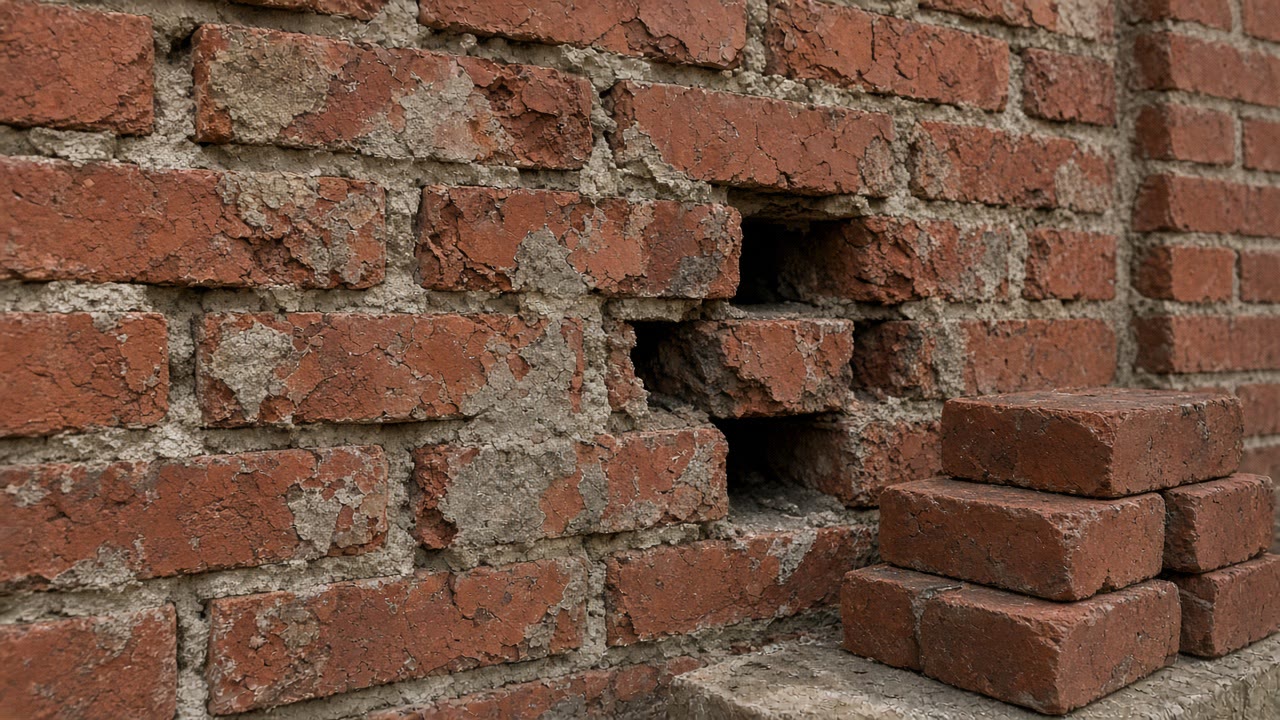
Brick Replacement quote
The quote worth having names the mortar as well as the brick count. Tell us what the faces are doing and roughly when the house was built, and we will put you in front of licensed, insured contractors who look at the joints before they price the units.
Would you rather talk it through? Call (315) 640-3590, answered 24/7.
$100 off your first job
Credited by us on your first booked job.
- One credit per customer per property, on your first booked job.
- Valid through December 31, 2026.
Mention this offer when you book. Full terms.
Cutting the failed units out, and fixing what took them
A brick has a hard fired skin and a soft interior, and once the skin is gone the inside soaks up water and this climate does the rest. Cutting the failed units out and replacing them is ordinary masonry work. What decides whether it lasts is why they failed, and the answer is usually in the joints around them. The National Park Service publishes a photograph of a brick wall wrecked by hard portland cement mortar less permeable than the soft bricks, captioned with the mechanism: moisture trapped in the wall could not evaporate through the mortar, which is intended to be sacrificial and so protect the bricks, and stayed there until water pressure popped the surface off them. So the quote worth reading is the one that changes the mortar at the same time. Anyone pricing new brick into old hard joints is pricing the damage to happen again.
- Cutting out and replacing spalled, cracked, loose and missing brick, and rebuilding small failed areas of wall
- Salvaging sound original units to keep the visible elevations consistent where the brick is no longer made
- Sourcing replacement brick matched on size, texture and color, and on absorption rather than only appearance
- Replacing failed stone: sills, lintel courses, water table, treads and rubble stone in a foundation wall
- Resetting a displaced section back into line rather than facing over it
- Changing the mortar specification at the same time, so new units are bedded in something softer than they are
- Replacing units around an opening with additional ties, where the failure came from the steel underneath
- Repairing damage from abrasive cleaning, where the fired skin has been blasted off an elevation
- Turning sound salvaged brick to the face where a match is genuinely impossible
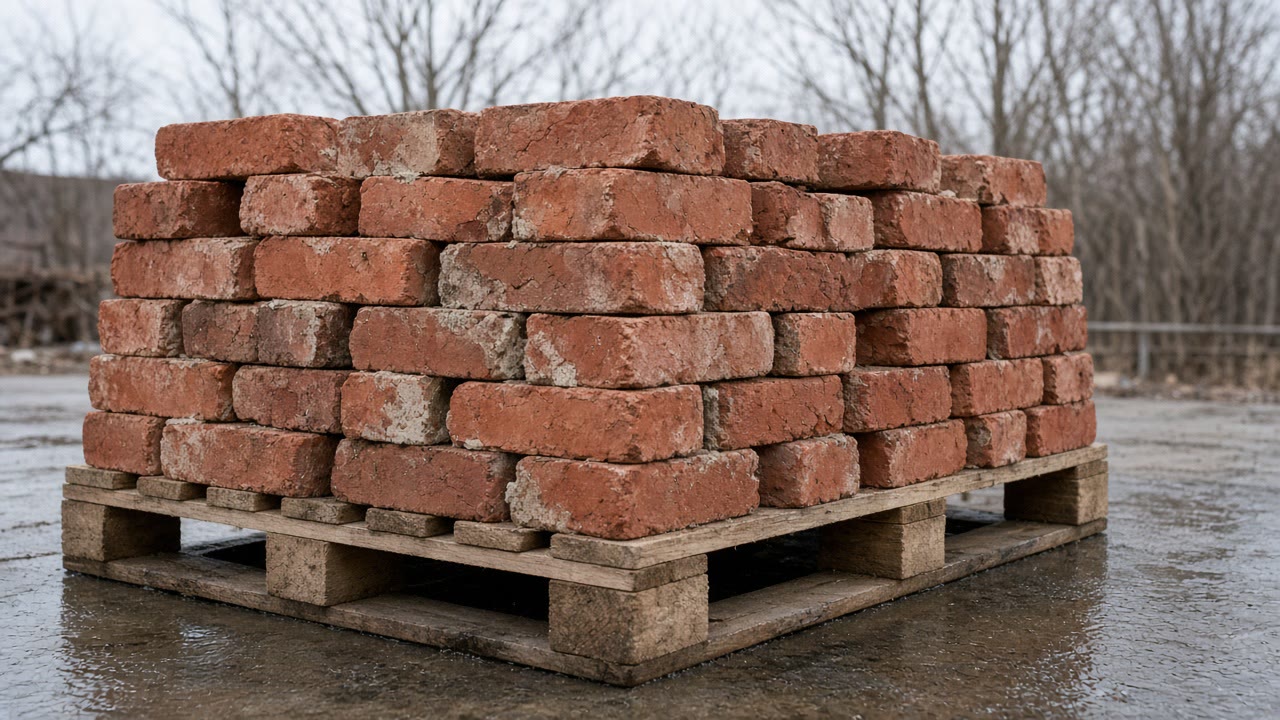
What decides a brick replacement quote
The unit count is the small half of this. What moves the price is finding a brick that fits, reaching the wall, and whether the mortar around it has to change too.
Why the faces came off in the first place
This decides whether the repair holds. Mortar is meant to be the sacrificial part of a wall, softer and more vapor permeable than the units, so that stress and moisture are relieved through the joint. A mortar stronger in compressive strength than the brick will not give, so the wall relieves its stresses through the units instead, and a denser joint forces moisture out through the brick face, depositing salts under the fired skin that crystallize and pop it off. Crisp new looking joints beside flaking brick is that failure, and it means the mortar is the cause rather than an innocent bystander.
Whether anything abrasive has been done to the wall
The National Park Service's position is that a brick wall which has deteriorated to the point of looking unsightly has probably had a treatment that removed the wearing surface, often an abrasive method such as sandblasting. Take the hard outer skin off and water wicks into the soft core, and in a northern climate where winter freezes are prevalent the brick then deteriorates through freeze thaw action. If your brick started crumbling a few years after the house was cleaned, that is the sequence, and it is why blasting to freshen brick belongs nowhere in a quote.
How well the replacement can be matched
Old brick is often no longer manufactured, and size, texture and color are only the visible part of the match. A unit much denser than its neighbors becomes the hard spot in the wall, which is the same mistake as a hard mortar on a smaller scale. Where matching is genuinely impossible, moving salvaged original brick to the elevations people see and putting the new units where they are not read against the old is usually the better answer. That is a decision worth making before anything is cut out.
How many units, and how scattered they are
Preservation Brief 2 notes that each type of work carries its own unit price and that the price should reflect quantities, because one linear foot of pointing in five separate spots costs more than five contiguous feet. Replacement behaves the same way. Twenty units in one area is a different price from twenty spread over three elevations, which is also why grouping work by elevation and height is a real way to phase a budget rather than just a delay.
Whether the surface is painted, and when the house was built
Painted brick on a pre 1978 home brings this work under EPA's Renovation, Repair and Painting Rule, which EPA administers directly in New York. The exemption for minor work stops at 20 square feet of exterior painted surface, and when painted components are removed the entire surface area removed counts, so cutting units out of a painted wall reaches the limit quickly. Work in the same 30 days counts as one job, which closes the option of splitting it into small visits. Federal work practice standards then prohibit grinding, sanding, needle guns, abrasive blasting and sandblasting on painted surfaces during covered work unless the machine has a shroud or containment and a HEPA vacuum collecting dust at the point it is generated, with no visible dust escaping. That last test is one you can apply from your own yard.
Whether the address is in a listed district
The National Park Service's records list nineteen districts inside the City of Syracuse, and Strathmore By the Park alone carries 332 contributing buildings, with village districts in Skaneateles, Manlius, Fayetteville and Baldwinsville as well. That matters twice. New York's Historic Homeownership Rehabilitation Tax Credit is worth 20 percent of qualified expenses on a listed home in a qualifying census tract, exterior masonry counts toward it, and every project has to be approved before work begins. And inside a City of Syracuse preservation district, exterior alterations are reviewable by the Landmark Preservation Board first, which is a calendar matter rather than an obstacle. Check the address before agreeing a start date.
Failing brick, or failing joints?
Crisp joints beside flaking faces answers that, and it changes the whole specification.
How failed units get replaced
Work out whether the brick failed or the wall did
Faces flaking off is a unit failure. Brick cracked in a line running across several courses, or a section that has bulged out of plane, is the wall telling you something else, and replacing units in it changes nothing. Sound the wall, look for a pattern rather than scattered damage, and look at what sits directly above the worst area.
Find the moisture route and close it
Preservation Brief 2 is explicit that repairs alone will not solve deficiencies that came from somewhere else, and it names leaking roofs and gutters, differential settlement, rising damp and extreme exposure. That applies here with more force, because a replaced unit in a wall that is still wet fails on the same schedule as the one it replaced. A quote that has not looked at the gutter above the failing area has not finished.
Establish what the mortar is, and what it should be
Both the existing joint and the brick have to be understood before a mix is chosen, because the rule is softer and more permeable than the units and no harder than the historic mortar. Laboratory analysis is most useful for identifying the sand by gradation and color, which is what makes a convincing color and texture match possible. It is not a substitute for judgment, because the original water content, curing rate, weather at construction and mixing method cannot be recovered from a sample.
Source the units, and decide where they go
Match on size, texture, color and absorption, then decide the layout: salvaged original brick to the elevations that are seen, new brick where it will not be read against the old. This costs nothing to decide now and a great deal to regret later.
Establish the year built and whether the surface is painted
On a pre 1978 home with any painted masonry, the federal lead rule sets who may do the work and how the dust is controlled, and 85.5 percent of housing in the City of Syracuse predates 1980. Ask to see the firm's EPA lead safe firm certification, since in New York it is EPA itself that issues and enforces it, and watch for the shroud and the vacuum before the first cut.
Cut the units out without wrecking their neighbors
The joints around a unit come out first, and they come out the way soft brick allows. Hand chisels and mash hammers pose the least threat to soft masonry. Power saws on walls with thin joints almost always damage the units by breaking the edges and overcutting the vertical joints, and that damage is not repairable. Where a thin diamond blade is used it belongs on horizontal joints in the hard portland mortar common to early twentieth century buildings, not beside a unit you are trying to keep.
Bed and point the new units in the right mix
New brick set in mortar harder than itself is the original mistake repeated on a smaller scale. Deep joints get filled in layers of about a quarter inch, each reaching thumb print hardness before the next, because most of the shrinkage happens as the mortar hardens rather than afterwards.
Leave the wall able to dry, and skip the coating
Preservation Brief 1 states that water repellent coatings on historic masonry are usually unnecessary, can be very difficult or impossible to remove if they fail or discolor, and reduce vapor permeability so that moisture which does get in can condense at a cold spot into liquid water that cannot escape. New York's preservation office separately warns that modern materials over existing masonry may lead to future moisture damage. If water is getting in, it is coming from the roof, the gutters, the joints or the openings, and that is where the money belongs.
What brick replacement looks like
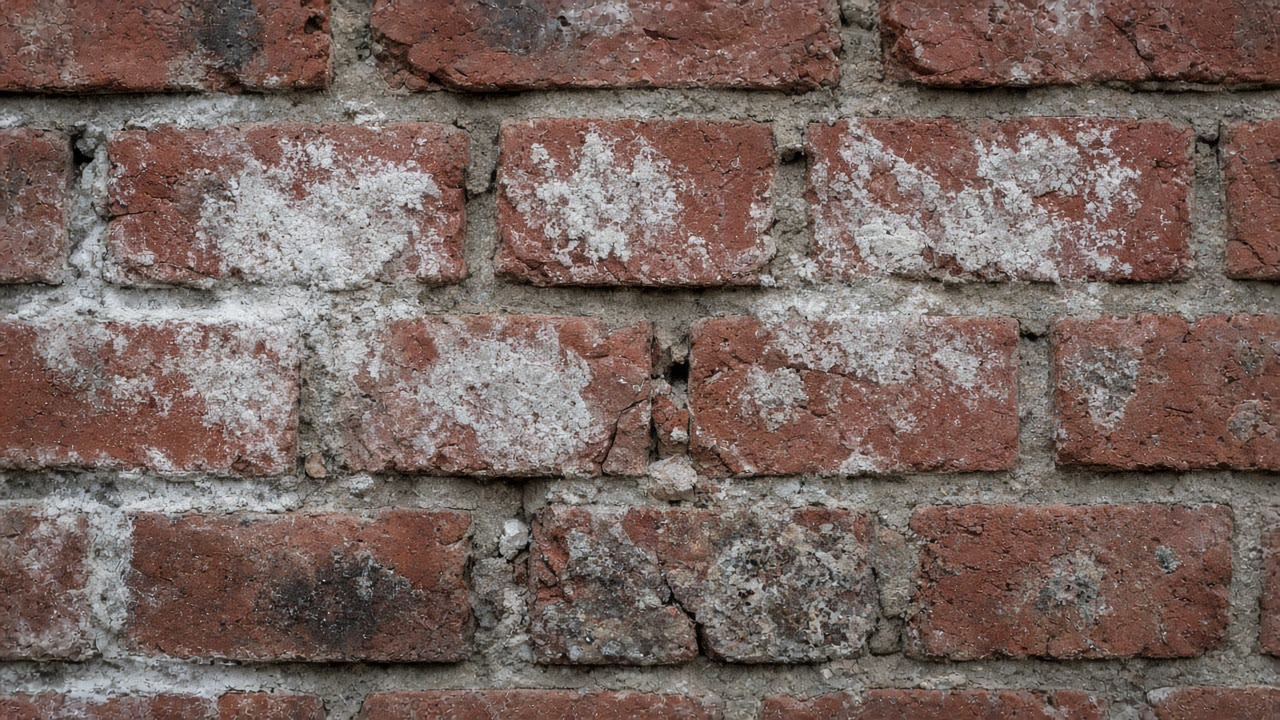
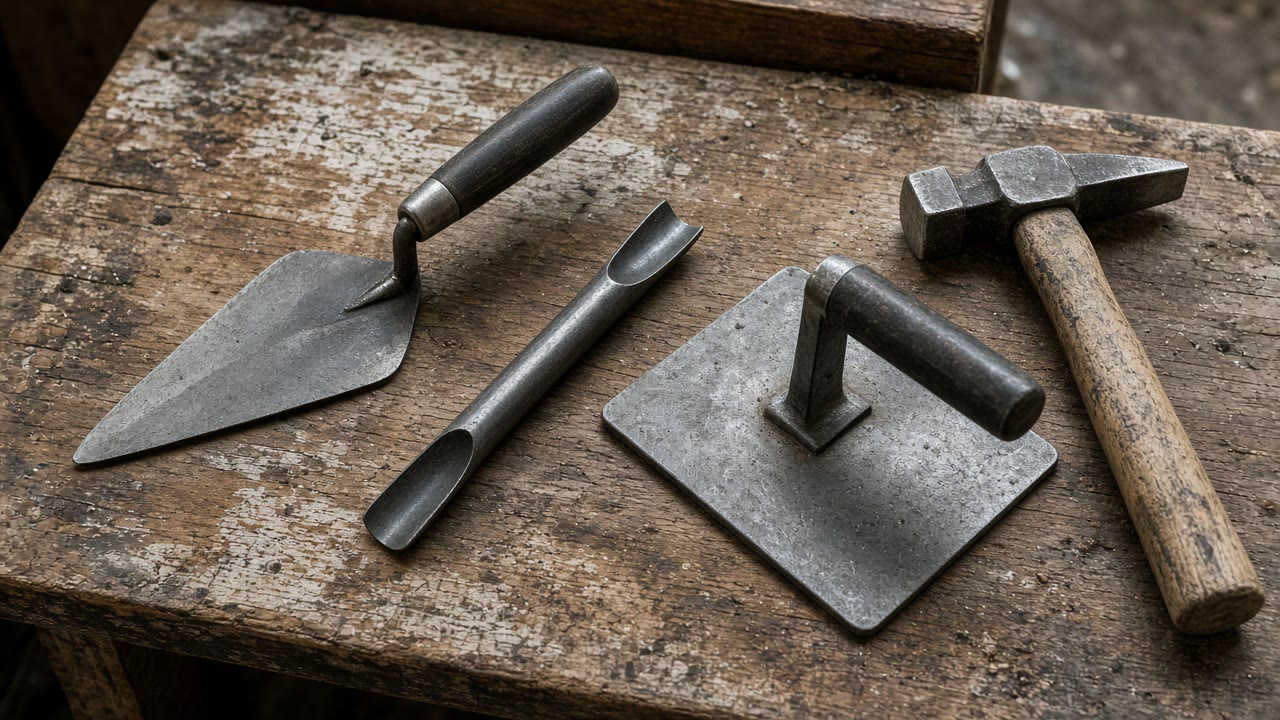
Where replacement starts and stops
When you may not need this at all
- White powder on the brick is efflorescence, salt left on the surface as water evaporates out of the wall, and the federal guidance notes that surface salts are usually relatively harmless in themselves. It is a moisture symptom worth chasing. It is not a reason to replace brick.
- A few units with chipped edges or spalled corners on a wall that is otherwise tight is cosmetic. If the fired skin is intact across the faces and nothing is loose, watching it through a season is a fair answer and it costs nothing.
- If the mortar around the failed brick is hard, dense and newer than the wall, replacing the units without changing the mortar buys the same failure again. That conversation comes first, and it may mean the replacement waits until the joint specification is settled.
- If units are cracked in a line running across courses, or a section has bulged out of plane, the wall has moved and replacing brick will not stop it. That is a different diagnosis, a different trade in some cases, and a different price.
- If the house is in a listed district, get the tax credit approval in hand before anything is cut out. New York's program requires every project to be approved before work begins and the sequence cannot be run backwards, so replacing brick in June and applying in September loses the credit outright.
What is out of scope
- Sandblasting, abrasive blasting and aggressive pressure washing to clean or freshen brick. It removes the fired skin and starts a freeze thaw clock, and on painted pre 1978 surfaces federal work practice standards prohibit it without a shroud and HEPA collection.
- Painting, staining, rendering or cladding a masonry elevation instead of repairing it.
- Water repellent coatings and sealers sold as a remedy for spalling brick.
- Paint removal or stripping as a standalone service.
- Chimney work above the roofline, which is arranged as chimney repair.
- Structural rebuilding of a bulged, leaning or moving wall, which carries its own diagnosis.
- Poured concrete flatwork, slabs and steps. This is unit masonry set in mortar.
Where we arrange brick and stone replacement
- Brick Replacement in Syracuse
- Brick Replacement in East Syracuse
- Brick Replacement in Solvay
- Brick Replacement in Liverpool
- Brick Replacement in Skaneateles
- Brick Replacement in Camillus
- Brick Replacement in Salina
- Brick Replacement in North Syracuse
- Brick Replacement in DeWitt
- Brick Replacement in Clay
- Brick Replacement in Cicero
- Brick Replacement in Manlius
- Brick Replacement in Fayetteville
- Brick Replacement in Baldwinsville
- Brick Replacement in Marcellus
Questions about failing brick
Why is my brick flaking and popping off?
Almost always because moisture cannot leave the wall through the joints, so it leaves through the brick instead. Historically mortar acted as a bedding material, not unlike an expansion joint, rather than as a glue, and moisture migrated out through the joints; high lime mortars are more permeable than denser cement mortars. When moisture evaporates from masonry it deposits soluble salts, on the surface as efflorescence or below it as subflorescence, and salt crystallizing inside a unit creates pressure that can spall or delaminate the outer surface. The National Park Service's own photograph of this failure names hard portland cement mortar less permeable than the soft bricks as the cause and describes water pressure eventually popping the surface off the bricks. There are two other routes to the same place. A mortar stronger than the brick will not flex, so the wall relieves its stresses through the units. And anything abrasive that takes the fired skin off exposes the soft core to freeze thaw, which this climate runs hard.
Can you just replace the bad bricks?
Yes, and it holds if the reason they failed is dealt with at the same time. Cutting out and replacing units is ordinary masonry work. Setting new brick into hard dense joints in a wall that is still wet is not a repair, it is the same experiment with a later start date. So the sequence is: find and close the water route, establish what the existing mortar and brick actually are, choose a mix that is softer and more vapor permeable than the units, then replace. The National Park Service's blunter version is that more damage is done to historic brick buildings by improper pointing than by almost any other treatment, and that hard mortars with high concentrations of portland cement will often make the surrounding masonry deteriorate faster. A quote that lists a brick count and says nothing about the mortar has not answered the question you are really asking.
Will the new brick match?
Rarely to the point of being invisible, and it is better to plan for that than to hope. Old brick is often out of production, and the match has four parts: size, texture, color and how much water the unit absorbs. The last is invisible and matters most, because a replacement much denser than its neighbors becomes the hard part of the wall. Laboratory analysis of the old mortar helps the joint rather than the brick: what it is most useful for is identifying the sand by gradation and color, since sand is the largest ingredient by volume, and that is what lets the color and texture of the mortar be matched with some accuracy. Where the brick itself cannot be matched, the usual answer is to move salvaged original units to the elevations that are seen and put the new brick where they are not.
Should I seal or paint the brick to stop this happening again?
Both make it more likely, and the federal guidance is unusually direct about it. Preservation Brief 1 states that water repellent coatings are frequently applied to historic masonry for the wrong reason and often without an understanding of what they are meant to do, that they can be very difficult if not impossible to remove if they fail or discolor, and that most importantly their application is usually unnecessary, because water penetration is seldom due to porous masonry: it results from poor or deferred maintenance, and it names leaking roofs, clogged or deteriorated gutters and downspouts, missing mortar, and cracks and open joints around door and window openings. It adds that a coating reduces vapor permeability, so vapor that does get in can condense at a cold spot into liquid water which, unlike vapor, cannot escape through the coating. New York's preservation office warns in the same direction about modern materials over masonry leading to future moisture damage. And painting brick on a pre 1978 house puts every future repair on that wall under the federal lead rule, which is a cost you hand to yourself.
My brick is already painted. Does that change what can be done?
It changes who may lawfully do it and how. EPA's Renovation, Repair and Painting Rule covers anyone paid to disturb painted surfaces in a home built before 1978, and in New York EPA runs the program itself rather than the state operating an authorized one. The minor repair exemption is 20 square feet of exterior painted surface, and when painted components or portions of them are removed the entire surface area removed counts, so cutting brick out of a painted wall passes that quickly. Work in the same 30 days counts as one job, which closes the option of splitting it into small visits. Federal work practice standards then prohibit grinding, sanding, power planing, needle guns, abrasive blasting and sandblasting on painted surfaces during covered work unless the machine has a shroud or containment system and a HEPA vacuum collecting dust at the point of generation, operated so that no visible dust or air release occurs outside the shroud. Given that 85.5 percent of City of Syracuse housing predates 1980, this is the normal case here rather than an edge case. Ask to see the firm's EPA lead safe firm certification, and if dust is drifting across the yard the work is not being done the way the rule requires.
Is there any money back for this on an old house?
Possibly, and only if you ask before you start. New York's Historic Homeownership Rehabilitation Tax Credit is a state income tax credit equal to 20 percent of qualified rehabilitation expenses on repair, maintenance and upgrades. You have to own and live in the house, it has to be listed in the State and National Registers individually or as a contributing building in a listed district, and it has to sit in a qualifying census tract. Total qualified expenses have to reach 5,000 dollars with at least 5 percent spent on exterior work, which repointing or brick replacement clears easily. The catch is the sequence: all projects must be approved before work begins, and the program also states that replacing repairable historic material is never recommended and that damaged material should be replaced in kind. The National Park Service's records list nineteen districts inside the City of Syracuse, with Strathmore By the Park at 332 contributing buildings, Scottholm Tract at 266 and Onondaga Highlands and Swaneola Heights at 260, so a great many ordinary houses qualify without their owners knowing. Look the address up first, because repointing in June and applying in September loses the credit.
Tell us what the faces are doing
Flaking, popping, cracked or missing. A photograph of the worst wall helps more than a description.