
Syracuse and the surrounding Onondaga County area
Chimney Repair and Rebuilding in Syracuse and Onondaga County
Work out whether a chimney needs its crown and top courses rebuilt, a rebuild from the roofline, or work at the footing, and what the state code requires either way.
Chimney Repair quote
A chimney quote should tell you where the rebuild starts and how tall the stack has to come back. Tell us what you can see from the ground and roughly when the house was built, and we will put you in front of licensed, insured contractors who measure before they price.
Would you rather talk it through? Call (315) 640-3590, answered 24/7.
$100 off your first job
Credited by us on your first booked job.
- One credit per customer per property, on your first booked job.
- Valid through December 31, 2026.
Mention this offer when you book. Full terms.
Rebuilding the stack, or taking it down to something solid
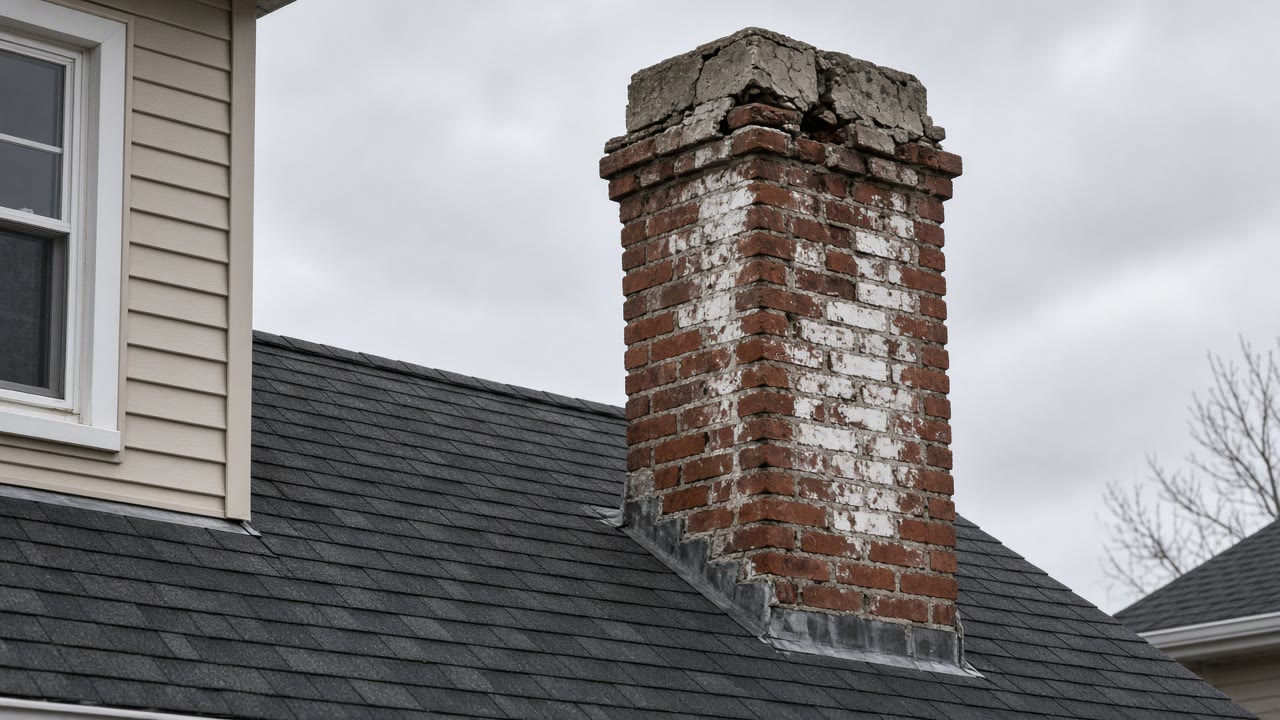
A chimney is the wettest and most exposed masonry on the house and it fails from the top down, so the job is usually decided by how far the damage has reached. A cracked crown with a few soft courses under it is a top rebuild. Brick spalling several feet down means water has been in the stack for years and the rebuild starts at the roofline. A stack that is leaning is a different problem again, because that is the footing talking and pointing the joints it opened will not stop it moving. The part most homeowners have never been told is that the geometry is set by the Residential Code of New York State: a chimney has to reach at least three feet above the point where it passes through the roof, and at least two feet above any part of the building within ten feet. A stack that was already short, or that a previous repair shortened, is not going back the way it was, and that has to be settled before the work is priced.
- Rebuilding the top courses and casting a new cap with a slope, a drip edge and a break around the flue liner
- Rebuilding the stack from the roofline up, salvaging or matching brick where the original is no longer made
- Repointing a stack where the brick is still hard and only the joints have gone
- Flashing and counterflashing the chimney to roof intersection
- Building a cricket on the uphill side of a wide stack that sits below the ridge
- Rebuilding a chimney breast, a firebox surround or the lintel over a fireplace opening
- Investigating a leaning stack at the footing rather than pointing the joints it has opened
- Replacing a cracked mortar wash with a cap that throws water clear of the brick
- Taking a disused stack down below the roofline and closing the roof, where that is what the house needs
- Coordinating the flue liner with the appliance it serves, so the masonry and the lining are not decided separately
What decides a chimney price
Chimney quotes vary more than any other masonry job on the house, and it is rarely about the brick. Access, the height the stack has to reach, and what is underneath it move the number most.
How far down the damage goes
Chimneys fail from the top because the top is horizontal. Syracuse gets a normal 123.8 inches of snow a year, 92 of those inches between December and February, and it sits on every flat masonry surface on the house until it melts. A cracked crown and a couple of soft courses is a top rebuild. Brick spalling three or four feet down says the water has been getting in for years, and then the rebuild starts at the roof rather than at the cap.
Whether the stack is tall enough as it stands
Section R1003.9 of the Residential Code of New York State requires a chimney to extend not less than three feet above the highest point where it passes through the roof, and not less than two feet above any portion of the building within 10 feet. A stack that is already short has to come back taller, which changes the brick count, the scaffold and sometimes the flue. Anyone quoting a rebuild without measuring to the ridge and to anything within ten feet is quoting for a different chimney.
What is on top of it right now
The code asks for a concrete, metal or stone cap with a drip edge and a caulked break around the flue liners, sloped to shed water. What is usually up there instead is a flat mortar wash troweled tight against the liner, and when that cracks it funnels water straight into the chimney. Replacing a wash with a proper cap is a small job that stops the mechanism destroying everything below it.
Whether it is leaning, and what the footing is doing
The code requires a masonry chimney footing to be at least 12 inches thick, to extend at least six inches beyond the face of the support wall on all sides, and to sit on natural undisturbed earth or engineered fill below frost depth. A stack on a shallow or undermined footing keeps tilting through every freeze, and here the temperature crosses freezing on roughly 84 days of a normal year rather than freezing once and staying there. Repointing a leaning chimney buys nothing. Ask whether the stack is being repaired or underpinned, because only one of those lasts.
Which face of the stack keeps failing
The code requires a cricket, the small ridged roof built on the uphill side of a chimney, where the stack is more than 30 inches across parallel to the ridgeline and does not meet the ridge. Without one, a metro with this much snow puts a drift against the same face every winter, and the cricket has to be flashed and counterflashed like any other roof to chimney intersection. If one elevation of your chimney is always the bad one, look at which way the roof runs above it.
Which counter permits it, and when the inspection falls
There is no single permit office for this metro. New York requires every city, village and town responsible for enforcing the Uniform Code to establish its own program by local law, so the authority is your village if the house sits inside an incorporated one and your town otherwise. The Village of Liverpool requires a permit for the alteration or improvement of any portion of a structure and publishes a separate chimney application. The Town of DeWitt names fireplaces on the face of its permit page. The Town of Salina requires a fireplace and solid fuel burning device inspection before anything is insulated or enclosed, on at least one business day's notice. Ask when the inspection is booked, not only when the work starts.
Top rebuild, or from the roofline?
That comes from how far down the spalling has reached, and it is worth settling before you take a price.
The order chimney work runs in
Establish where the damage stops
From the ground with binoculars, then from the roof: the cap, the top courses, the flashing line, and which face is worst. That answer decides whether this is a crown and a few courses or a rebuild from the roofline, and the two are priced very differently. It costs nothing to look properly and it is the single biggest number in the quote.
Measure the height before anything is agreed
Three feet above the roof penetration, two feet above anything within ten feet. Measure to the ridge and to any dormer, tree free wall or neighboring roof plane in range, because a stack that has to come back taller than it was changes the material, the scaffold and sometimes the flue.
Find out whether it is moving
A lean, a joint at the roofline that keeps reopening, or a crack that only ever gets wider is movement, and movement points at the footing rather than at the brick. The National Park Service advice is to mark a crack's ends and note the date, then look again after a season change: one that opens in cold weather and narrows in hot is thermal and cyclical, and one that has not moved can simply be pointed.
Settle the permit and the survey lead time
The counter is your village if the property is in one and your town otherwise. In Liverpool a demolition permit, and preparation for remodeling counts as demolition work, requires an asbestos survey in hand before the permit is issued, and the only exception is an owner doing the work themselves. A chimney rebuild is partial demolition. Finding that out on the morning of the start date costs a week.
Take it down to something solid and salvage what is worth keeping
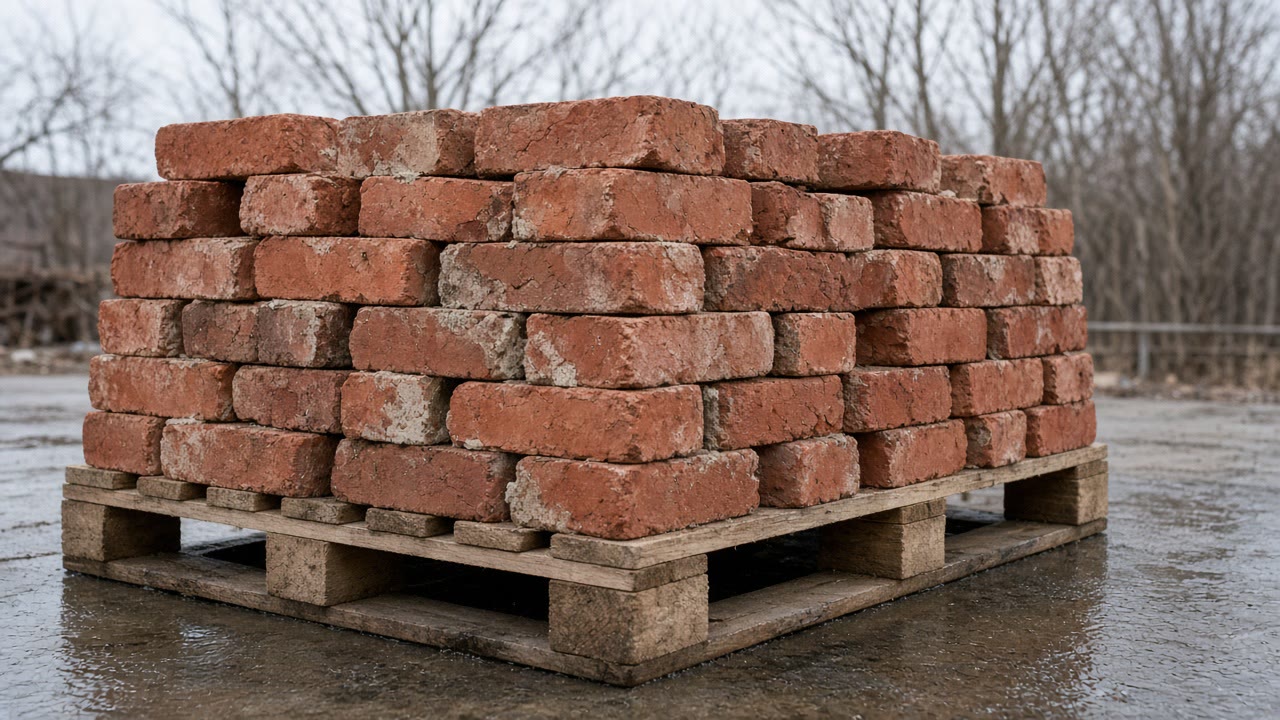
The code requires chimney walls of solid masonry units, or hollow units grouted solid, of not less than four inch nominal thickness, and requires the chimney to be lined with a material appropriate for the appliance connected to it. Original brick that is still hard is often worth reusing on the visible faces, because the current product rarely matches an old stack.
Rebuild with mortar chosen for the brick, not for the exposure
A chimney takes the worst weather on the house, which tempts a harder mix, and the rule does not change: the mortar still has to be softer and more vapor permeable than the units. Get that backwards and the wall relieves its stresses and its moisture through the brick instead, and the faces come off. On a soft old stack that means a softer mortar in the harshest position on the building, with the work protected rather than the mix strengthened.
Cap it, flash it, and give the water a way off
A sloped cap with a drip edge and a break at the liner, the chimney to roof intersection flashed and counterflashed, and a cricket where the stack is wide and sits below the ridge. New York's code requires flashing at the intersection of a chimney with frame or stucco walls, so this is not an upgrade a contractor is being generous about. It is the detail that decides whether the rebuild lasts or repeats.
Book the inspection before anything is closed up
Salina's published sequence puts the fireplace and solid fuel burning device inspection before insulating or enclosing, with at least one business day's notice, alongside its footing, framing and fire separation stages. Work enclosed ahead of an inspection comes back open, and that is not the contractor's schedule to compress.
What chimney repair looks like
Where chimney work starts and stops
When you may not need this at all
- If the only problem is a cracked crown, this is often a small job rather than a rebuild. A new cap with a slope, a drip edge and a break at the liner stops the mechanism that ruins the courses below it, and it can be done years before the brick needs anything.
- A chimney serving nothing is a maintenance cost with no return. If the fireplace is decorative and the furnace and water heater vent elsewhere, taking the stack down below the roofline and closing the roof is a legitimate answer, and sometimes the cheapest honest one.
- Sweeping, video scanning the flue and connecting appliances are a different trade from masonry. If nobody has looked up the flue yet, that comes first, and it may be all you need.
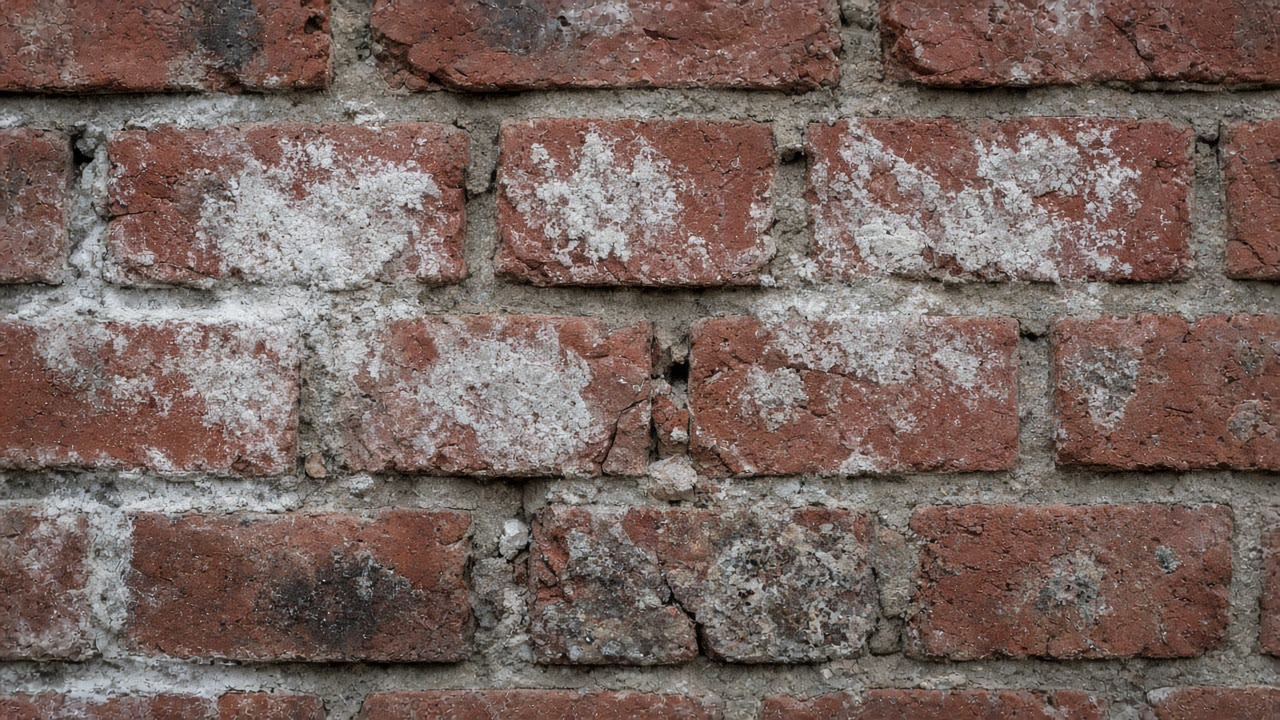
- White staining on brick above the roofline is efflorescence: salts left behind as water leaves the masonry. The federal guidance notes that salts on the surface are usually relatively harmless in themselves. It says water is moving through the stack, which is worth chasing, and it is not on its own a reason to rebuild.
- Hairline cracking in a crown with the courses under it still tight can be watched rather than opened up. Mark it, note the date, and look again after a season change before spending anything.
What is out of scope
- Chimney sweeping, creosote removal and video scanning of the flue, which are a different trade.
- Gas appliance connection, venting design and appliance installation.
- Stainless liner and relining work sold on its own. It is coordinated with a masonry rebuild rather than offered instead of one.
- Roof covering replacement. Flashing at the chimney is masonry work; the shingles around it are a roofing job.
- Judgments about whether a chimney is fit to be used. That belongs to the appliance and flue trades and, where a municipality requires it, to its own inspector.
- Painting, staining or coating a stack to hide failing brick.
- Poured concrete flatwork, slabs and steps.
Where we arrange chimney work
- Chimney Repair in Syracuse
- Chimney Repair in East Syracuse
- Chimney Repair in Solvay
- Chimney Repair in Liverpool
- Chimney Repair in Skaneateles
- Chimney Repair in Camillus
- Chimney Repair in Salina
- Chimney Repair in North Syracuse
- Chimney Repair in DeWitt
- Chimney Repair in Clay
- Chimney Repair in Cicero
- Chimney Repair in Manlius
- Chimney Repair in Fayetteville
- Chimney Repair in Baldwinsville
- Chimney Repair in Marcellus
Chimney questions we get asked most
Repoint it, rebuild the top, or rebuild the whole thing?
It is decided by how far down the damage has reached and by whether the stack is moving. Soft joints on brick that is still hard is a repointing job. A cracked crown with a few soft courses under it is a top rebuild. Brick spalling several feet down means water has been in the stack for years and the rebuild starts at the roofline. A lean is none of those: the code requires the footing to sit on natural undisturbed earth or engineered fill below frost depth, so a tilting stack is usually telling you about its footing and the opened joints are the symptom. Preservation Brief 2's threshold is useful here too. Once 25 to 50 percent or more of the masonry needs work, doing it all can cost less than chasing spots, and on a chimney that point arrives sooner because the scaffold is paid for either way.
Why is a chimney so much more expensive than the same brickwork lower down?
Access, and the regulation behind it. Labor is roughly 80 to 90 percent of masonry repair cost and the material is 10 to 20 percent, and cost guides note masons charging more past about eight feet because the work gets harder to reach. OSHA then requires every worker on a scaffold more than 10 feet above a lower level to be protected from falling, so a chimney needs a scaffold erected, inspected and fitted with fall protection before a brick is touched, and none of that appears in the finished stack. It is also why phasing a masonry budget is a real decision rather than a delay tactic: the parts of the house you can reach from the ground are genuinely cheap to keep up, and the chimney never will be.
Does chimney work need a permit?
It depends which counter your address answers to, and there is no single one for this metro. New York requires every city, village, town and county responsible for enforcing the Uniform Code to establish its own enforcement program by local law, so the authority is your village if you are inside an incorporated village and your town otherwise. The regulation lets a jurisdiction exempt repairs from the permit requirement, but only where it wrote that exemption into its own program, and the exemption cannot reach work affecting the structural system. The Village of Liverpool requires a permit for the alteration or improvement of any portion of a structure and has a separate heating appliance and chimney application. DeWitt names fireplaces on its permit page and will not take an application without workers compensation and disability proof or a signed Certificate of Attestation of Exemption. And an exemption from a permit has never been an exemption from the code itself, so do not accept an assurance without a name at the counter.
What should the top of a chimney actually look like?
The code describes a concrete, metal or stone cap with a drip edge and a caulked break around the flue liners, sloped to shed water, and it sets a net free area of at least four times the flue outlet for a spark arrestor or a rain cap. Three things to look for from the ground or from a photograph. The cap should overhang the brick rather than finish flush with it, so runoff drops clear instead of tracking back down the face. There should be a visible joint where it meets the liner rather than mortar poured tight against it, because the two need to move independently. And it should not be cracked. What is usually up there is a flat mortar wash troweled onto the top courses and hard against the liner, and once that cracks the water goes into the chimney instead of off it. That is why chimneys fail from the top down.
Water is coming in around my chimney. Is that the brick?
Often it is the flashing rather than the masonry, so get that looked at before anyone quotes a rebuild. New York's code requires approved corrosion resistant flashing, applied shingle fashion, at the intersection of chimneys with frame or stucco walls, and it requires a cricket where the chimney is more than 30 inches across parallel to the ridgeline and does not intersect the ridge. With a normal 123.8 inches of snow a year, a wide stack sitting below the ridge with no cricket has a drift piled against the same face every winter. A rebuild over bad flashing leaks in exactly the same place, and you will have paid for the brick to find that out.
The brick on my chimney is flaking. Can it just be repointed?
Not if the faces are coming off, because then the joints are the cause rather than the casualty. A mortar less permeable than the brick forces moisture out through the face of the unit, where it deposits salts under the fired skin, and those crystallize and pop the surface off. The National Park Service publishes a photograph of exactly that result with the caption naming hard portland cement mortar less permeable than the soft bricks as the cause, and describing water pressure eventually popping the surface off the bricks. Repointing that wall the same way repeats it. The failed units need replacing and the mix needs reconsidering at the same time, which is why this quote is worth reading for what it says about the mortar and not only about the brick count.
Tell us what the stack is doing
Crumbling crown, flaking brick, leaning, or leaking at the roofline. Each one is a different job.