
Syracuse and the surrounding Onondaga County area
Repointing and Tuckpointing in Syracuse and Onondaga County
Find out whether crumbling or missing mortar needs the joints raked out and refilled, and which mortar type belongs on the brick you actually have.
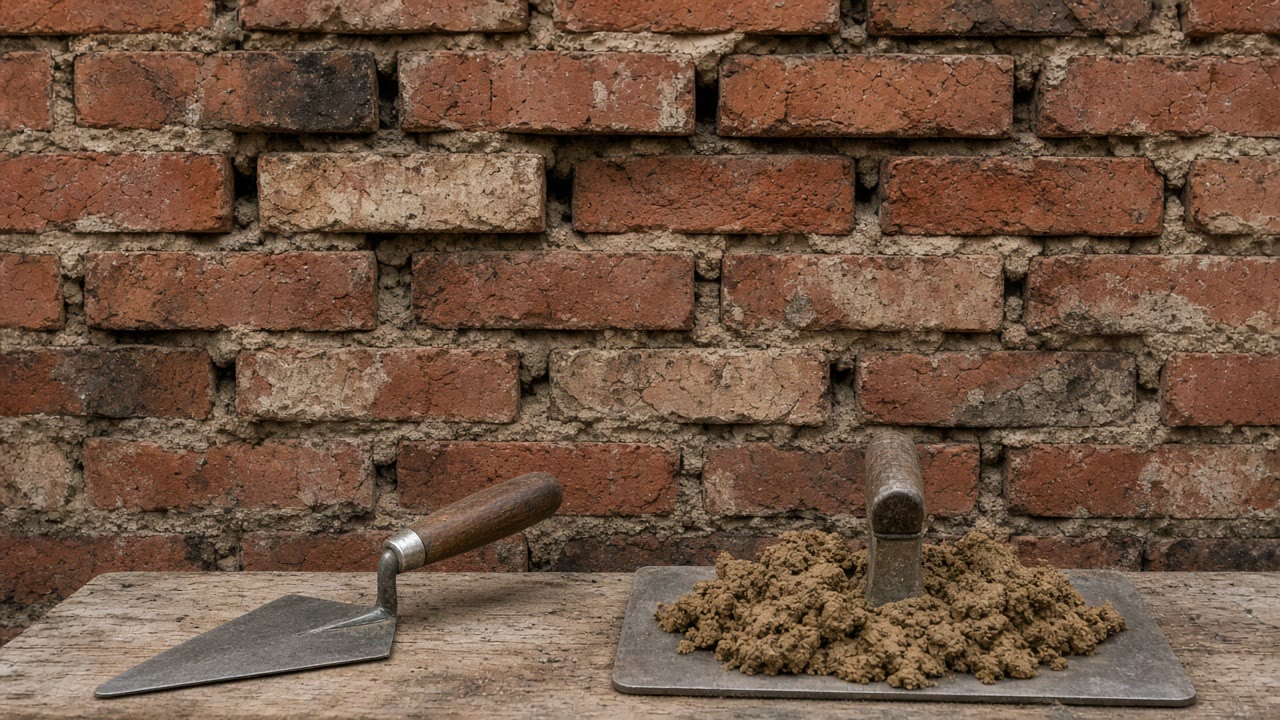
Repointing quote
A repointing quote is only worth comparing if it names the mortar. Tell us what the joints are doing and roughly when the house was built, and we will put you in front of licensed, insured contractors who answer that before they price it.
Would you rather talk it through? Call (315) 640-3590, answered 24/7.
$100 off your first job
Credited by us on your first booked job.
- One credit per customer per property, on your first booked job.
- Valid through December 31, 2026.
Mention this offer when you book. Full terms.
Raking the joints out, and refilling them properly
Repointing is cutting the failed mortar out of the joints and packing new mortar in, and tuckpointing is the name most homeowners use for the same job. Done right it buys decades, and it can be done again. Done with the wrong mix it takes the brick with it. National Park Service Preservation Brief 2, the federal guidance on this work, sets four criteria for a repointing mortar and two of them are invisible in a finished joint: the new mortar has to be more vapor permeable and softer, measured in compressive strength, than the masonry units around it. So the useful question is not how strong the mortar will be. It is which type it is, and how the mason knows it is softer than your brick.
- Spot repointing of the failed areas only, leaving sound joints alone
- Whole elevation repointing where enough of a wall has gone that piecemeal work costs more
- Mortar matched on strength and permeability as well as on color, sand and joint profile
- Joints cut out by hand on thin joints and soft brick, with grinders kept to wide horizontal joints in hard mortar
- Joints filled in layers to the published depth rather than skimmed over a shallow scratch
- Repointing around and above window and door openings, which is the treatment for water reaching a steel lintel
- Weepholes reopened rather than filled in, so the wall keeps the drainage path it was built with
- Dust controlled at the tool with a shroud and a vacuum, which mortar removal specifically calls for
- Stone repointing, including rubble stone foundation walls and stone sills, priced separately from brick
- Phasing a large job by elevation and height so each visit is a continuous run at one scaffold setting
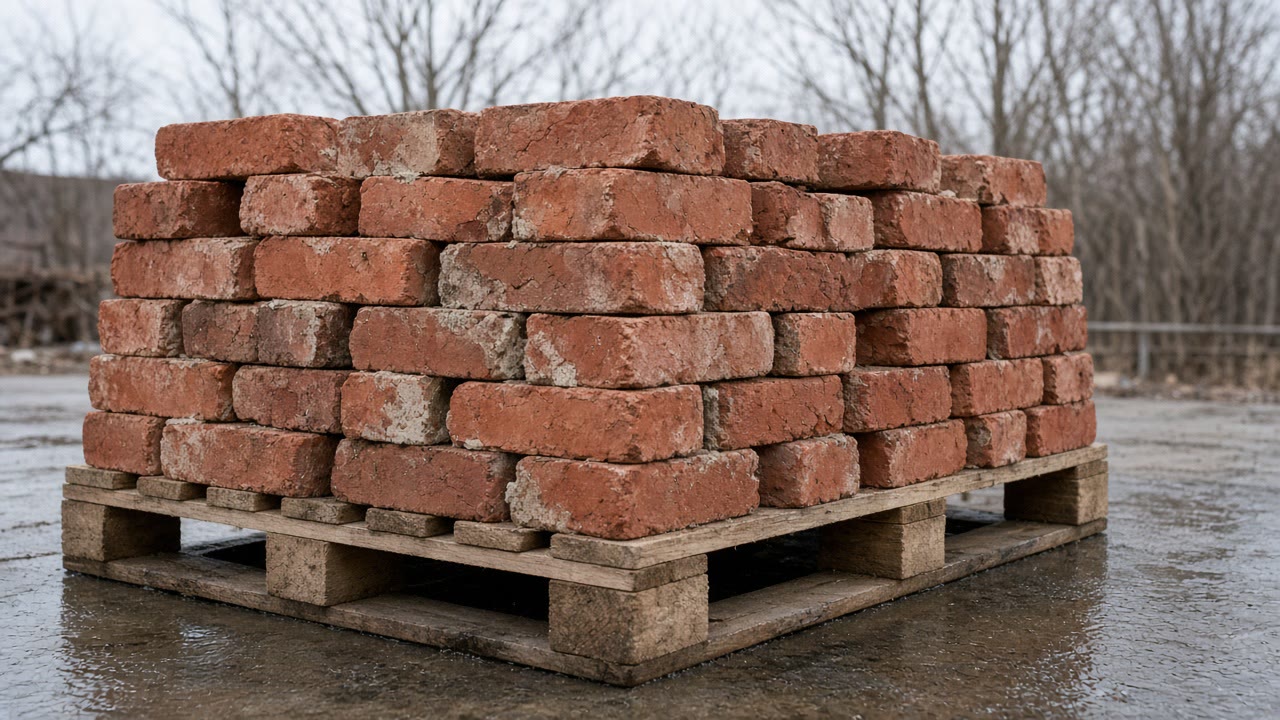
What moves a repointing quote here
Two quotes for the same wall can differ by thousands without either being dishonest. These are the things that move the number, and most of them are settled before anyone picks up a tool.
How old the brick is, and therefore how soft it is
The mortar has to be softer than the brick, so the brick decides the mix. The City of Syracuse has 67,601 housing units with a median build year of 1948 and 43.1 percent built in 1939 or earlier, which is the population where soft brick and lime based original mortar are the normal case rather than the exception. Onondaga County's median is 1964. Two houses a few miles apart can need genuinely different answers, and the older one needs the softer mortar.
Whether the surface is painted, and when the house was built
This can change who is allowed to do the work. EPA's Renovation, Repair and Painting Rule covers anyone paid to disturb painted surfaces in a home built before 1978, and EPA runs the program directly in New York rather than the state doing so. The exemption for minor work stops at 20 square feet of exterior painted surface, and jobs done within the same 30 days count as one, so a real repointing run on painted old brick is past the limit on the first morning. Federal work practice standards then prohibit grinding a painted surface unless the machine has a shroud or containment and a HEPA vacuum collecting dust where it is made, with no visible dust escaping. Grinding is how joints get raked out, so this is the whole method sitting under a rule.
How much of the wall has actually failed
There is a published threshold for the argument you are about to have. Preservation Brief 2 says it is preferable to repoint only the areas that require work, but that once 25 to 50 percent or more of a wall needs it, doing the whole wall can cost less than chasing spots. It adds that scattered work is dearer per foot, because one linear foot of pointing in five separate places costs more than five contiguous feet.
How high up the work is
You are buying hours at a height. A national cost guide puts labor at roughly 80 to 90 percent of a repointing job with the mortar itself at 10 to 20 percent, and notes masons charging more past about eight feet. The regulatory reason sits behind that: OSHA requires a worker on a scaffold more than 10 feet above a lower level to be protected from falling, so the scaffold is erected, inspected and fitted before a single joint is opened, and none of that work shows in the finished wall.
What is putting water into that wall
Preservation Brief 2 is blunt here. It says the root cause has to be dealt with before work begins, naming leaking roofs and gutters, differential settlement and rising damp, and that without those repairs the mortar keeps deteriorating and the repointing was a waste of time and money. If one corner is failing while the rest of the house is fine, the mortar is the symptom. A quote that never mentions the gutter above the failing wall has not looked up.
The month the work can happen
The specification is a wall temperature between 40 and 95 degrees Fahrenheit, not an air temperature, and Syracuse's normal daily minimum stays below 40 degrees in every month from October through April. A shaded north or east elevation in April can sit under the limit all day while the forecast reads warmer, so the reliable season runs roughly mid April to early November and the shaded walls belong in the middle of it rather than at the edges.
Not sure whether it is the joints or the brick?
That is the question worth settling before anyone quotes, and most of it is answerable from the ground.
How a repointing job actually runs
Find out what is already in the joints
The rule is that the new mortar is softer than the brick and no harder than the mortar it replaces, so both have to be established first. Preservation Brief 2 notes that many houses built in the first half of the twentieth century were originally built with portland cement mortar, so softer is not automatically the answer either. Where a sample is analyzed, what that is most useful for is identifying the sand by gradation and color, because sand is the largest ingredient by volume and it is what makes a convincing color and texture match possible.
Fix whatever is wetting the wall
Gutters, downspouts, a leaking roof, an open joint at a sill, a chimney to wall intersection. The Residential Code of New York State requires flashing at those intersections and under and at the ends of masonry sills and copings, which is a fair list of the places to look. Repointing first and fixing the cause afterwards means paying for the same joints twice.
Get the mortar into the contract, not just into the conversation
New York General Business Law 771 already requires a home improvement contract to describe the work and the materials to be provided, so asking for the mortar type, the mix proportions and the joint depth on paper is asking for a description the statute requires to be complete. ASTM C270's proportion method needs no laboratory testing before or during the work, so there is no cost reason for a quote to stay silent about the mix.
Cut the joints out to depth, and control the dust
Preservation Brief 2 puts removal at two to two and a half times the joint width, about half an inch to an inch on most brick, plus anything loose beyond that. It says hand chisels and mash hammers pose the least threat to soft masonry, while power saws on thin joints almost always damage the units by breaking the edges and overcutting the vertical joints. OSHA gives mortar removal its own row in the silica table, item eleven, and it is the only entry there that still requires a respirator outdoors, alongside a shrouded grinder and a dust collector.
Fill in layers, not in one pass
Where a joint is deeper than an inch it gets packed in layers of about a quarter inch, each allowed to reach thumb print hardness before the next, because most of the shrinkage happens as the mortar hardens. A joint filled in a single pass pulls away from the brick and opens a hairline crack for water before its first winter.
Leave the wall the drainage path it was built with
The Residential Code of New York State requires weepholes in the outer wythe at no more than 33 inches on center, at least three sixteenths of an inch across, immediately above the flashing. Those are the holes water leaves through. Repointing that fills them in turns a drained wall into one that has to push moisture out through the face of the brick, and it happens more often than anyone admits.
Protect the finished joints through the first cold nights
Preservation Brief 2 does not recommend antifreeze compounds: they work poorly with high lime mortars and can introduce salts that surface as efflorescence later. The correct answer late in the season is warmed sand and water with the completed work protected from freezing. If a November start is offered, ask how the new joints will be covered overnight before you agree to it.
What repointing looks like
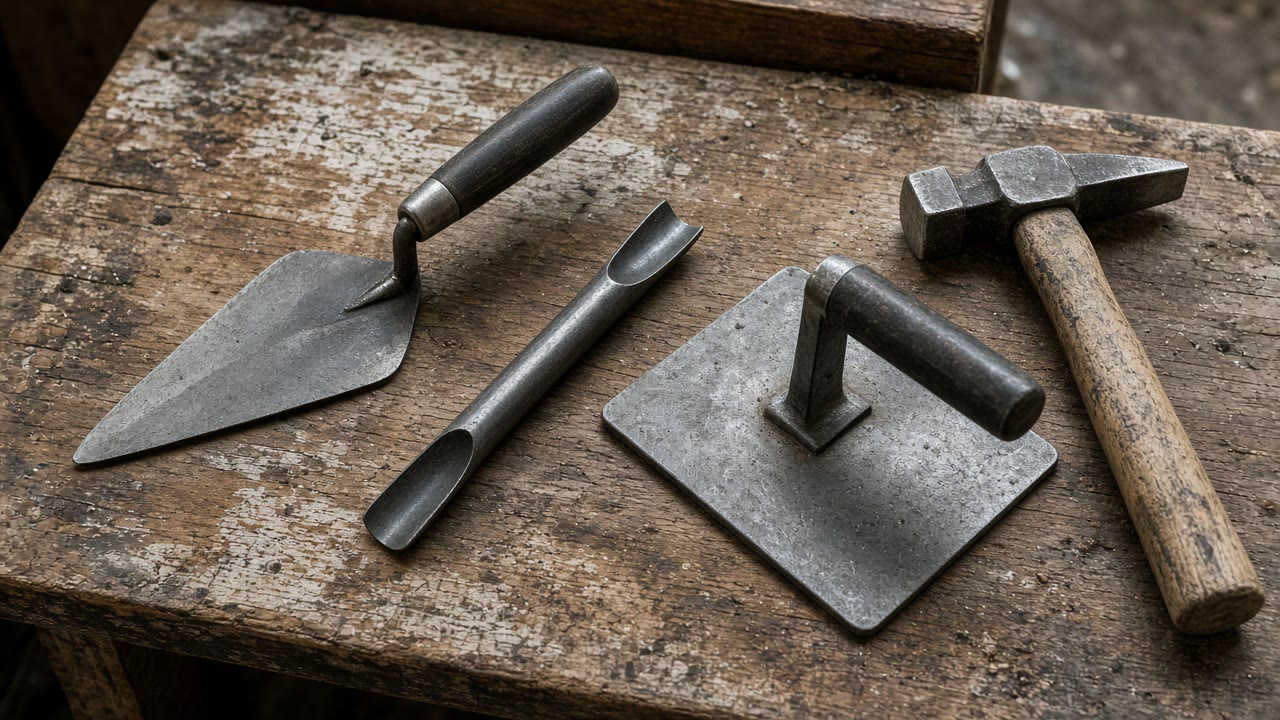
Where repointing starts and stops
When you may not need this at all
- Hairline cracking in the mortar with nothing loose can genuinely wait. The National Park Service advice for any crack is to mark its ends with a pencil, note the date, and look again after a season change. One that opens in cold weather and closes in warm is moving and wants a flexible joint. One that has not moved can simply be pointed. Neither is an emergency.
- If you cannot get a nail into a joint where you can reach, the wall probably needs nothing this year. Preservation Brief 2's own preference is repointing only the areas that require work rather than a whole elevation, so a whole wall quote on a wall with a handful of bad joints deserves a question first.
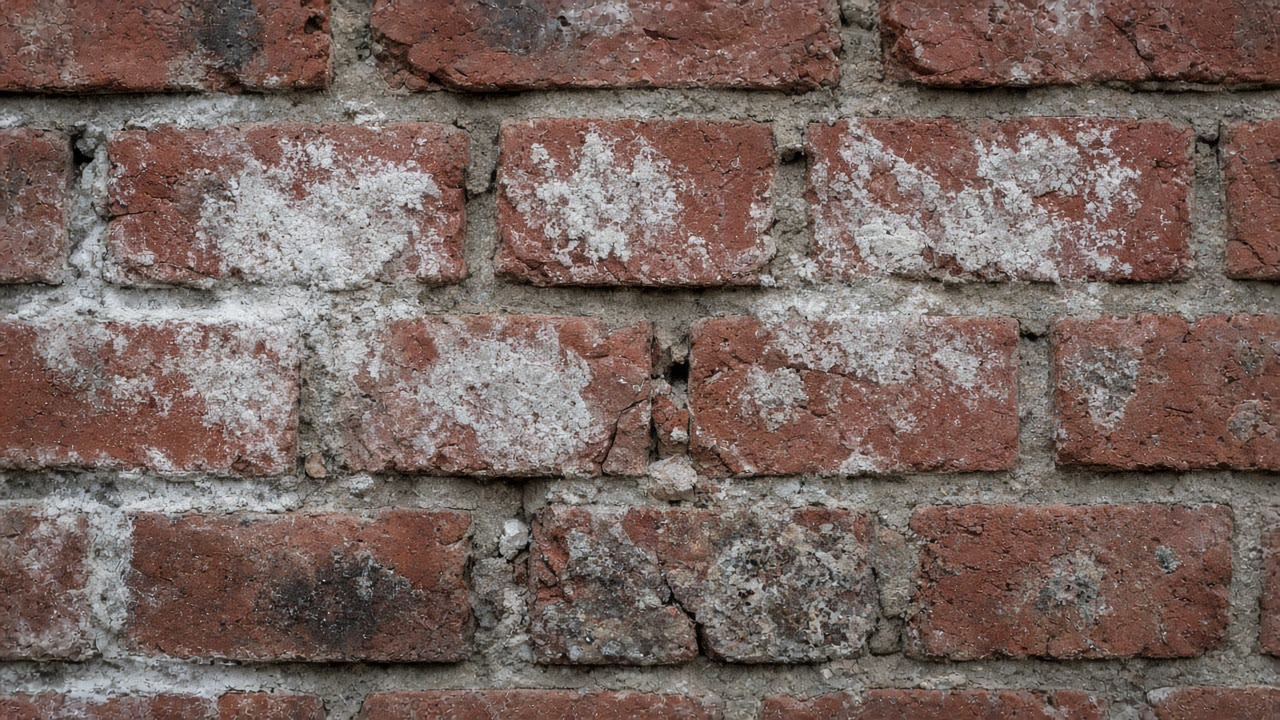
- White powder on the brick face is efflorescence, and on its own it is a moisture symptom rather than a mortar failure. The federal guidance notes that salts left on the surface are usually relatively harmless. It is worth chasing where the water is coming from. It is not on its own a reason to repoint.
- If a quote offers a sealer or a water repellent additive as an upgrade, you can decline both and put the money into the joint depth instead. The Brick Industry Association says plainly not to use water repellent admixtures in mortar, and Preservation Brief 1 says repellent coatings on historic masonry are usually unnecessary, can be very difficult or impossible to remove, and can leave liquid water trapped behind them.
- A wall with crisp new looking joints and brick faces flaking off around them does not need repointing again. It needs the mortar reconsidered, because the joints are the likely cause rather than innocent bystanders. Repointing that wall the same way repeats the damage.
- If the only failing joints on the house are on the chimney, this is not the service. Above the roofline the price is driven by access and by the code geometry of the stack rather than by the pointing, and it is arranged as chimney work instead.
What is out of scope
- Chimney work above the roofline, which is decided by the cap, the height and the footing rather than by the joints, and is arranged as chimney repair.
- Replacing spalled, cracked, loose or missing brick and stone units, which is its own job and carries its own unit price.
- Replacing a corroded steel lintel over an opening. Repointing around an opening slows the water reaching the steel; it does not put back steel that has already lost section.
- Dry, uncontained grinding on a painted surface of a home built before 1978. Federal work practice standards prohibit it without a shroud and HEPA collection, so it is not arranged.
- Abrasive blasting, sandblasting or aggressive pressure washing to freshen brick. It removes the fired skin and starts a freeze thaw clock this climate runs fast.
- Rendering, cladding or coating a masonry elevation instead of repairing it. New York's preservation office warns that modern materials over masonry can lead to future moisture damage.
- Poured concrete flatwork, slabs, driveways and garage floors. This is unit masonry set in mortar.
Where we arrange repointing
- Repointing in Syracuse
- Repointing in East Syracuse
- Repointing in Solvay
- Repointing in Liverpool
- Repointing in Skaneateles
- Repointing in Camillus
- Repointing in Salina
- Repointing in North Syracuse
- Repointing in DeWitt
- Repointing in Clay
- Repointing in Cicero
- Repointing in Manlius
- Repointing in Fayetteville
- Repointing in Baldwinsville
- Repointing in Marcellus
What homeowners ask before booking repointing
What is the difference between tuckpointing and repointing?
In everyday use around here they are the same job, and most homeowners say tuckpointing. In the specification literature repointing is the term for cutting failed mortar out of the joints and refilling them, which is what almost every residential job actually is. Historically tuckpointing described a decorative technique where a joint was filled and a thin contrasting line set into it. If a contractor uses the two words interchangeably, that is normal and not a warning sign. What matters is not which word is on the quote. It is whether the quote says which mortar is going into your wall.
How do I know whether my mortar really needs replacing?
The screwdriver test people describe online is genuinely diagnostic, so start there. Run a key or a nail along a joint: if it powders and you can scrape material out to any depth, that joint has failed. Then look for missing sections, joints that sound hollow when tapped, brick you can rock by hand, and damp patches inside on the same wall. Preservation Brief 2 names disintegrating mortar, cracked joints, loose bricks or stones, damp walls and damaged plasterwork as the usual signs that lead to repointing. Its next sentence is the one worth remembering: it is an error to assume repointing alone will solve a problem that came from somewhere else, so the root cause gets dealt with first.
Which mortar should go on my house, and what do the letters mean?
The letters are ASTM mortar types, and they are recipes rather than laboratory results, which means a mason can commit to one in writing on the day of the quote. In decreasing strength they run Type M at 2,500 psi, Type S at 1,800, Type N at 750 and Type O at 350. The Brick Industry Association recommends Type N for normal use including most veneer, and on a postwar house that is usually right. Type S is more than five times the strength of Type O, so a Type S specification on soft pre 1940 brick is the conversation to have before work starts rather than after. More lime means a softer, more permeable joint, and lime is the ingredient that gets left out. Preservation Brief 2 also warns off the preblended masonry cement bags sold at hardware stores: they are not required to contain hydrated lime and generally do not, so they produce high strength mortars that can damage older masonry. Ask whether the mortar is being mixed from cement, lime and sand on site or poured out of a bag. It is the cheapest question you can ask and the most revealing.
Why do quotes for the same wall differ by thousands?
Because you are buying hours at a height, not a bag of mortar. Labor runs roughly 80 to 90 percent of a repointing job and the material is 10 to 20 percent, so the mix is not where the money goes. What moves it is access, how much of the wall is being cut out, and whether the work is above about ten feet, where OSHA requires fall protection and a scaffold has to be erected and inspected before the first joint is opened. Scattered spot work also costs more per foot than a continuous run, which is why a mason would rather do a whole elevation. If you want two quotes to be comparable, ask each of them the same three things: which mortar type, what joint depth, and how the work is accessed.
My brick is painted. Does that change anything?
It changes the law that applies to the job. EPA's Renovation, Repair and Painting Rule covers paid work that disturbs painted surfaces in homes built before 1978, and EPA administers the program directly in New York rather than the state running its own. The exemption for minor repair stops at 20 square feet of exterior painted surface, and work in the same 30 days counts as one job, so a genuine repointing run goes past it. Separately, 40 CFR 745.85 prohibits grinding, sanding, power planing, needle guns and abrasive blasting on painted surfaces during covered work unless the machine has a shroud or containment and a HEPA vacuum collecting dust at the point it is generated, operated so that no visible dust escapes. Since grinding is how joints get cut out, the whole method sits under that rule. In the City of Syracuse, where 85.5 percent of housing predates 1980, this is the normal case rather than a rare one. Ask to see the firm's EPA lead safe firm certification, and look for the shroud and the vacuum before the first cut. Visible dust drifting across the yard is the test the regulation itself is written around.
Is it too late in the year to repoint?
It is a wall temperature question rather than a calendar question. The federal guidance asks for wall temperatures between 40 and 95 degrees Fahrenheit, and Syracuse's normal daily minimum stays below 40 degrees from October through April, so a shaded elevation can be out of range while the forecast looks fine. The reason not to push it is what happens next. In a normal year here the daily low reaches freezing on 129.5 days but the daily high stays below freezing on only 45.7, so on roughly 84 days the temperature crosses in both directions rather than sitting frozen. March alone brings 17.8 of those crossings, more than any other month, and it brings them while the snow of December and January is melting into the joints. An open joint left in October gets worked about eighty times before spring, and a joint filled too cold will not survive them either. So the honest answer late in the season is a spring start, with the worst of the wall covered in the meantime.
Tell us what the joints are doing
Powdering, missing, hollow or cracked. That one word changes the specification.