
Onondaga County
Masonry Contractors in Manlius: The Historic Part Is Small
Find out which Manlius you are in before anything is priced, because the answer is not the same two streets apart. The village's median build year is 1968 with 50.9 percent of its housing from the 1960s and 1970s, and the historic district sits inside that as the exception rather than the rule.
Request a quote in Manlius
Share a few details so we can confirm coverage and arrange the right next step.
Would you rather talk it through? Call (315) 640-3590, answered 24/7.
$100 off your first job
Credited by us on your first booked job.
- One credit per customer per property, on your first booked job.
- Valid through December 31, 2026.
Mention this offer when you book. Full terms.
A 1968 village, and the upsell to turn down

The Town of Manlius has 14,524 housing units with a median year of construction of 1972, a pre-1940 share of 11.2 percent and 22.3 percent built between 1940 and 1959. Manlius village inside it has 2,070 units, a median of 1968, a pre-1940 share of 10.5 percent and 50.9 percent built in the 1960s and 1970s. Fayetteville village has 2,092 units, a median of 1961, a pre-1940 share of 20.7 percent, 26.8 percent built between 1940 and 1959 and 77.2 percent built before 1980.
Source: US Census Bureau, American Community Survey 2020-2024 5-year estimates, table B25034 Year Structure Built and table B25035 Median Year Structure Built, accessed 2026-09-10
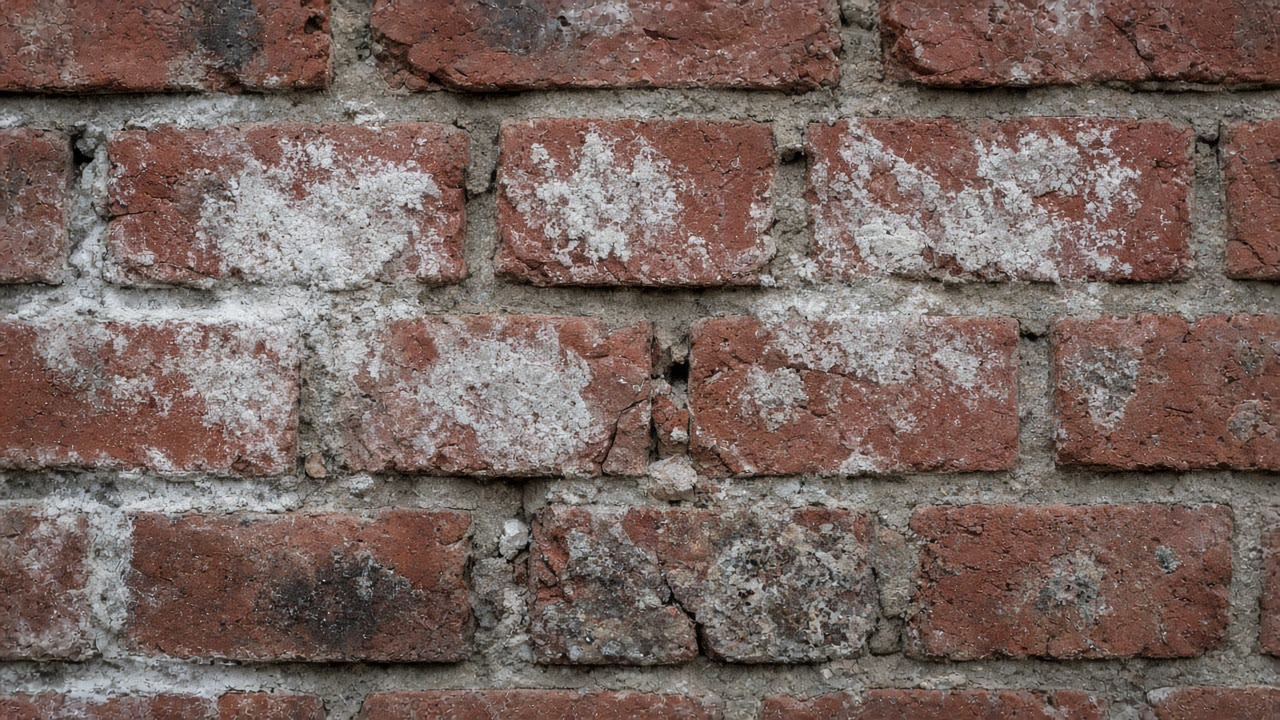
On thermal cracking the National Park Service states that although masonry can deform elastically over long periods to accommodate small amounts of movement, large movements normally cause cracking, and that thermal cracks are normally cyclical and will open and close with the season, growing wider in cold weather and narrower in hot weather. It advises monitoring such cracks over a period of time to see whether they are active, and states that active cracks should be sealed with a flexible sealant while inactive cracks may be pointed.
Source: National Park Service, Common Problems with Brick Masonry, accessed 2026-09-10
Preservation Brief 1 states that water-repellent coatings are frequently applied to historic masonry buildings for the wrong reason and often without an understanding of what they are intended to do, that they can be very difficult if not impossible to remove if they fail or discolor, and that most importantly the application of water-repellent coatings to historic masonry is usually unnecessary. It states that water penetration to the interior of a masonry building is seldom due to porous masonry but results from poor or deferred maintenance, and that leaking roofs, clogged or deteriorated gutters and downspouts, missing mortar, or cracks and open joints around door and window openings are almost always the cause. It also warns that a coating still reduces the vapor permeability of the masonry, so vapor that gets in can condense at cold spots into liquid water which, unlike vapor, cannot escape through the coating.
Source: National Park Service, Technical Preservation Services, Preservation Brief 1: Assessing Cleaning and Water-Repellent Treatments for Historic Masonry Buildings, by Robert C. Mack, FAIA, and Anne E. Grimmer, accessed 2026-09-10
Inside the Manlius district, or outside it?
Send the address and a line on what the brick is doing. That tells us which standard the work has to meet.
Which Manlius address needs the historic standard
The Town of Manlius and Manlius village keep separate counters, and here the vintage matters more than the boundary. The town's 14,524 units have a median build year of 1972, an 11.2 percent pre-1940 share and 22.3 percent built between 1940 and 1959. The village's 2,070 units have a median of 1968 and just 10.5 percent prewar, with 50.9 percent of it built across the 1960s and 1970s. So most masonry here is comparatively modern veneer, and the Manlius Village Historic District is a small island inside a young village rather than the general condition. If the address is a contributing building, that changes the standard the mortar is matched to and puts a state homeowner credit in reach that has to be approved before work begins, so it is a conversation to have before a mason is booked. If it is not, the likely job is ordinary maintenance, and two things are worth knowing. First, there is a test you can run yourself for nothing: mark the ends of a crack with a pencil, write the date, and look again after a season change. A crack that opens in cold weather and closes in warm weather is active and wants a flexible sealant, one that has not moved can simply be pointed, and one that only ever grows is neither and is worth looking at now. Second, there is an upsell to refuse. Water repellent coatings on masonry are, in the federal guidance's own words, usually unnecessary, can be impossible to remove, and reduce the wall's vapor permeability so that water which does get in condenses and cannot escape. If water is coming in, the money belongs in the gutters, the joints and the flashing over the openings.
What we handle in Manlius village and the wider town
Repointing and Mortar Joint Repair
Find out whether crumbling or missing mortar needs the joints raked out and refilled, and which mortar type belongs on the brick you actually have.
Repointing in Manlius →Chimney Repair and Rebuilding
Work out whether a chimney needs its crown and top courses rebuilt, a rebuild from the roofline, or work at the footing, and what the state code requires either way.
Chimney Repair in Manlius →Lintel Repair and Opening Repairs
Tell a rusting steel lintel apart from settlement, so the crack above your window, door or garage opening gets the trade it actually needs.
Lintel Repair in Manlius →Brick and Stone Replacement
Understand why brick faces are flaking or popping off, which units have to be cut out and replaced, and what has to change so the new ones do not go the same way.
Brick Replacement in Manlius →Retaining Walls, Steps and Foundation Masonry
Establish whether a leaning retaining wall, crumbling brick steps or a failing block or stone foundation wall needs rebuilding, and what has to change underneath so it stays put.
Retaining Walls and Steps in Manlius →Get a plain answer on your Manlius wall
Describe what you are seeing with an address. If the honest answer is that it can wait a season, that is the answer you will get.