
Chimney Repair in Solvay and the Season for It
Mortar needs a wall between 40 and 95 degrees to set properly, which turns a chimney into a scheduling question here.
Chimney Repair quote in Solvay
Share a few details so we can confirm coverage and arrange the right next step.
Would you rather talk it through? Call (315) 640-3590, answered 24/7.
$100 off your first job
Credited by us on your first booked job.
- One credit per customer per property, on your first booked job.
- Valid through December 31, 2026.
Mention this offer when you book. Full terms.
What the stack needs, and which spring it needs it in
Establish three things and the sequencing takes care of itself. Whether the brick above the roof is still hard, which decides pointing against rebuilding. Whether the cap has cracked, because that is where water is getting in and a properly fitted cover buys you a winter. And whether the stack is wide enough to need a cricket, since the code calls for one where a chimney measures more than 30 inches along the ridge line and does not intersect the ridge. That last detail is the one that gets missed and then leaks quietly for years.
Wall temperature, not air temperature
The guidance puts the working window at wall temperatures between 40 and 95 degrees, which prevents the water in the mortar freezing or evaporating too fast, and prefers shade to strong sun. The wall is what has to be in that range, and a cold brick stack in a sunny March afternoon is not.
A wide stack needs a cricket
Where a chimney measures more than 30 inches parallel to the ridge and does not intersect the ridge, the code requires a cricket on the uphill side, flashed and counterflashed like any other roof to chimney intersection. Older village houses frequently have the wide stack and not the cricket.
Antifreeze in the mix is not the answer
The published position is that antifreeze compounds are not recommended, are not very effective with high lime mortars, and may introduce salts that cause efflorescence later. Warming the sand and the water and protecting the finished work is the accepted cold weather practice.
74.4 percent pre-1960, and the working season for mortar
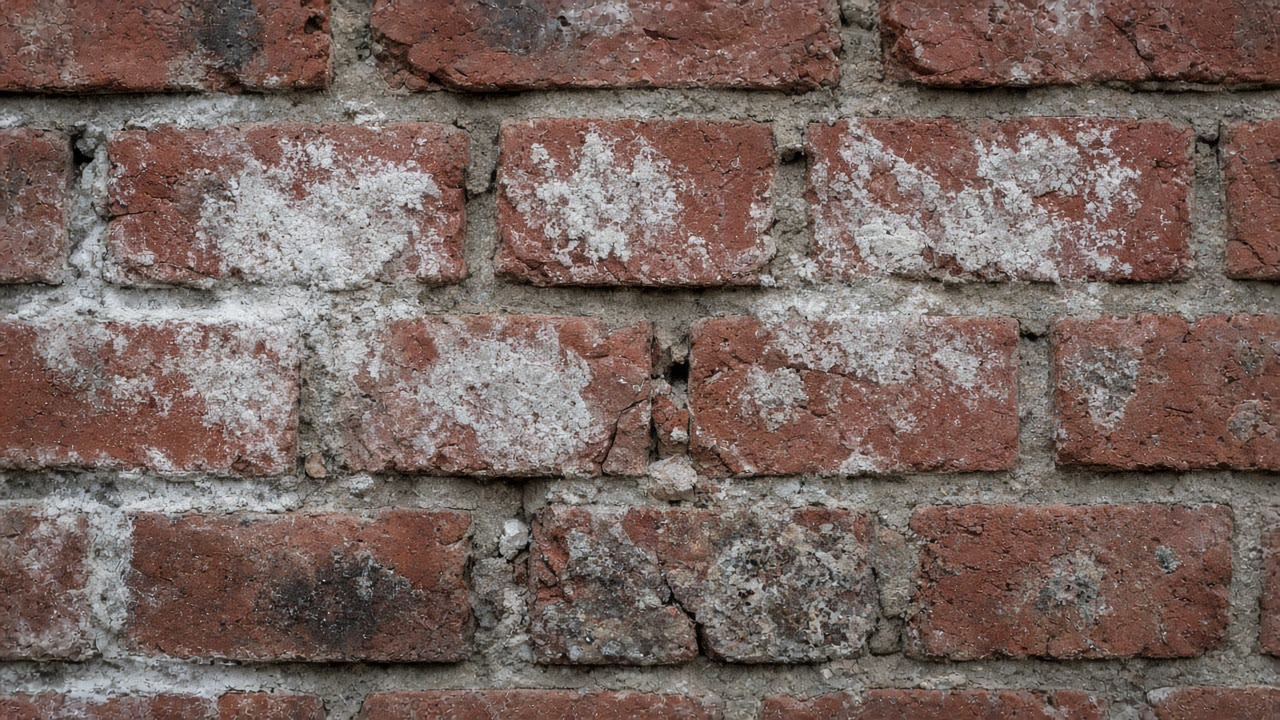
Solvay village has 3,292 housing units with a median year of construction of 1947. Of those, 43.1 percent were built in 1939 or earlier, 10.5 percent in the 1940s, 20.8 percent in the 1950s and 8.6 percent in the 1960s, giving 74.4 percent built in 1959 or earlier and 91.4 percent before 1980. That pre-1980 share is the highest of any place in Onondaga County.
Source: US Census Bureau, American Community Survey 2020-2024 5-year estimates, table B25034 Year Structure Built and table B25035 Median Year Structure Built, accessed 2026-09-10
On scheduling, Preservation Brief 2 states that seasonal aspects need to be considered first, and that generally speaking wall temperatures between 40 and 95 degrees Fahrenheit will prevent freezing or excessive evaporation of the water in the mortar. Ideally repointing should be done in shade, away from strong sunlight, to slow the drying process, especially in hot weather.
Source: National Park Service, Technical Preservation Services, Preservation Brief 2: Repointing Mortar Joints in Historic Masonry Buildings, by Robert C. Mack, FAIA, and John P. Speweik, 1998, accessed 2026-09-10
Section R1003.20 of the Residential Code of New York State requires chimneys to be provided with crickets where the chimney dimension parallel to the ridgeline is greater than 30 inches and the chimney does not intersect the ridgeline. The intersection of the cricket and the chimney must be flashed and counterflashed in the same way as a normal roof to chimney intersection.
Source: 2020 Residential Code of New York State, Chapter 10, Chimneys and Fireplaces, via UpCodes, accessed 2026-09-10
Preservation Brief 2 states that the use of antifreeze compounds is not recommended, that they are not very effective with high lime mortars and may introduce salts which can cause efflorescence later, and that the better practice is to warm the sand and water and to protect the completed work from freezing. It also records that no definitive study has determined whether air-entraining additives should be used to resist frost action, and that in areas of extreme exposure requiring high strength mortars with lower permeability air entrainment of 10 to 16 percent may be considered.
Source: National Park Service, Technical Preservation Services, Preservation Brief 2: Repointing Mortar Joints in Historic Masonry Buildings, by Robert C. Mack, FAIA, and John P. Speweik, 1998, accessed 2026-09-10
What chimney repair involves
When a Solvay chimney can actually be worked on
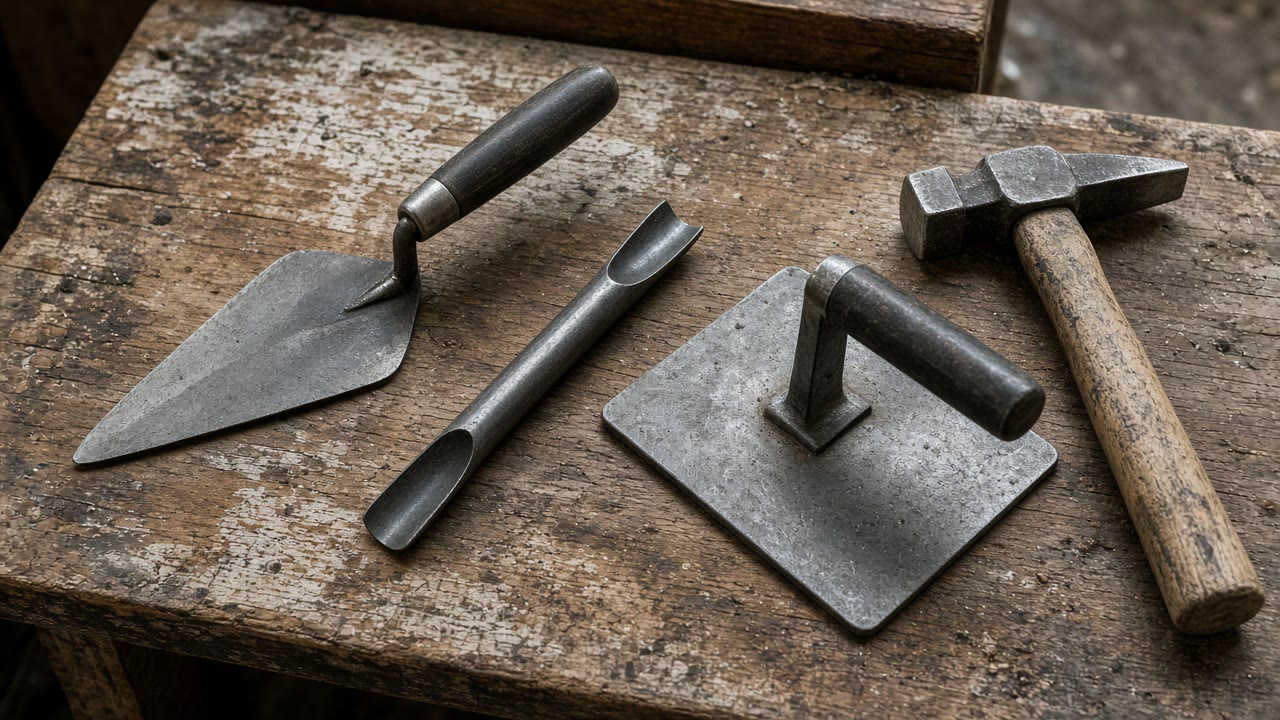
A chimney gets decided twice: what the work is, and when it can be done. Mortar wants a wall temperature between 40 and 95 degrees to avoid freezing or drying out too fast, and normal daily lows in Syracuse stay under 40 from October right through April. So a stack that fails in November is usually a stack that gets protected in November and rebuilt in spring, and anyone promising otherwise is promising mortar that will not cure. In a village where 74.4 percent of the housing predates 1960, that season is the real constraint to plan around.
Is this a this-year job or a spring job?
Send the Solvay address and say what the crown and the top courses look like. We will tell you honestly which season it belongs in.
Chimney timing questions from Solvay
Can chimney work be done in a Solvay winter?
Some of it, and probably not the part you need. Mortar wants wall temperatures between 40 and 95 degrees, and the published cold weather practice is warming the sand and water and protecting the finished work, while antifreeze compounds are not recommended at all. That adds up to protection and making safe in winter, rebuilding in spring. If somebody offers to rebuild a crown in January with no mention of protection, ask more questions before you agree to anything.
How do I know whether my chimney needs a cricket?
Measure the stack in the direction of the roof ridge. If it is more than 30 inches that way and does not sit on the ridge itself, the code calls for a cricket on the uphill side, flashed and counterflashed like any other roof intersection. Plenty of older village houses have a wide stack low on the slope and no cricket, and the tell is usually a stain on the ceiling below the uphill side rather than anything you can see on the brick.
Get a Solvay stack booked into the right season
A cracked crown, joints washed out at the top, a stain below the uphill side: describe it with the address, no obligation.