
Retaining Walls and Steps in DeWitt Count as Improvements
DeWitt's permits reach improvements to property and not only buildings, so a retaining wall is not automatically outside the process.
Retaining Walls and Steps quote in DeWitt
Share a few details so we can confirm coverage and arrange the right next step.
Would you rather talk it through? Call (315) 640-3590, answered 24/7.
$100 off your first job
Credited by us on your first booked job.
- One credit per customer per property, on your first booked job.
- Valid through December 31, 2026.
Mention this offer when you book. Full terms.
Why a DeWitt wall may need the counter
A retaining wall, a set of steps or a garden wall is easy to treat as landscaping, and in this town that assumption can cost you. DeWitt states that its permits cover applicable codes pertaining to structures and other improvements to property as well as buildings for other than human occupancy, and it names swimming pools, fences, additions, sheds and garages among those improvements. So the question to put to the counter is about your structure and its height rather than about whether it touches the house. Ask before the digging, not after.
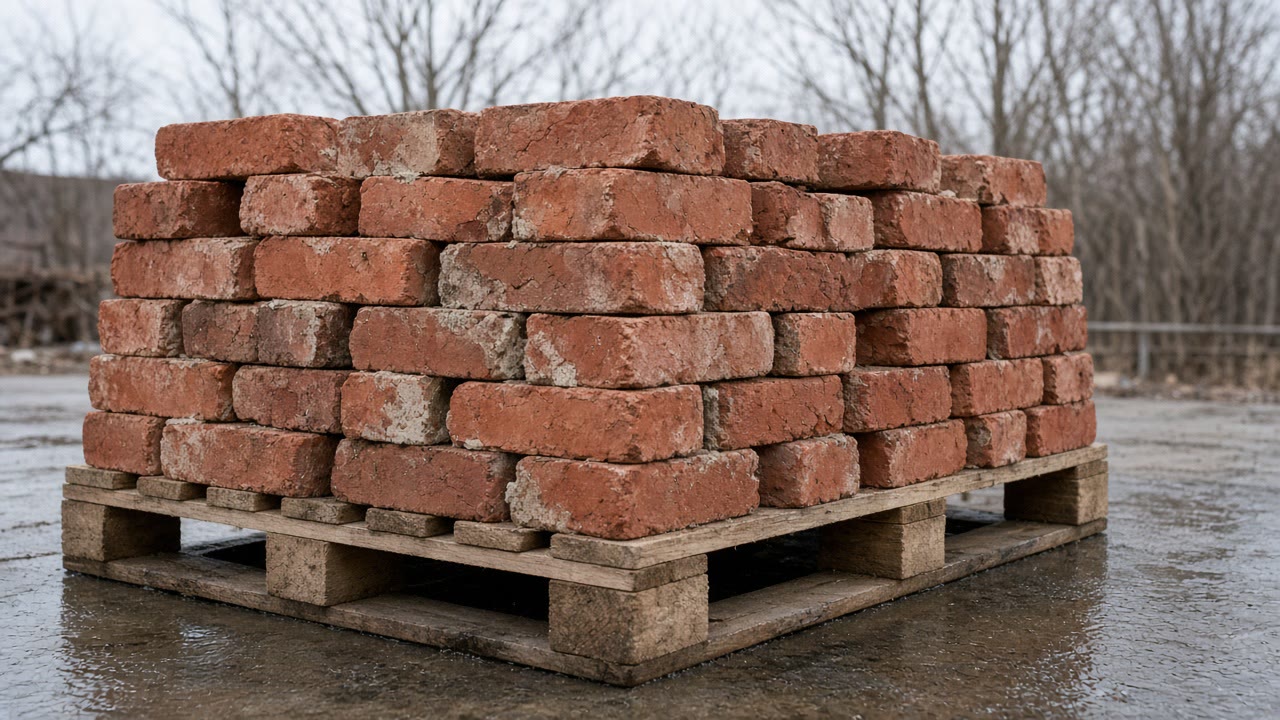
What retaining walls and steps involves
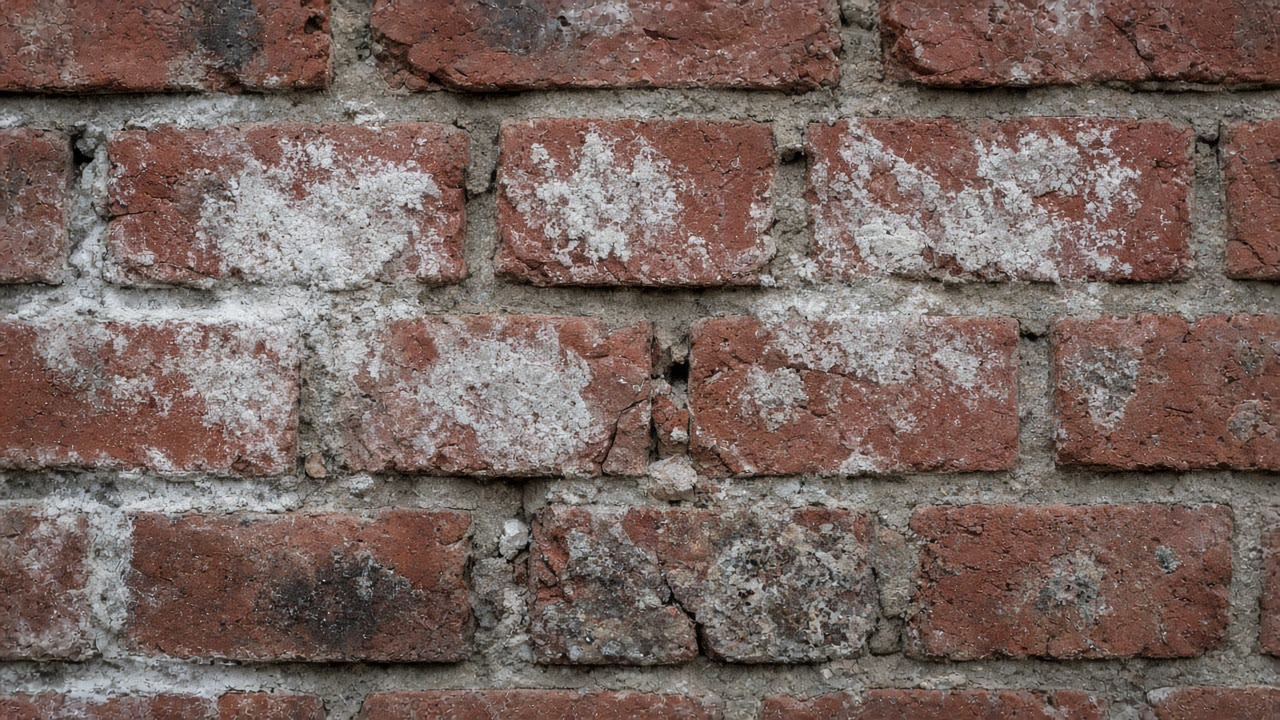

Height, drainage, and what is behind the wall
Three things settle a wall here and only one of them is masonry. The height, because that is what the counter will ask about first and what decides whether this is a garden feature or a structure. The drainage behind it, since a wall leaning out is soil and water pushing rather than mortar failing, and rebuilding the face alone is the version that leans again. And the base, because a wall built on fill above the frost line moves every spring no matter how well the stone is laid. Get those three answered and the quote writes itself.
Improvements to property, not only buildings
The town states its permits cover applicable codes pertaining to structures and other improvements to property as well as buildings for other than human occupancy, naming swimming pools, fences, additions, alterations, conversions, sheds, garages and fireplaces. A wall is closer to that list than to landscaping, so ask about height and location.
A leaning wall is a drainage problem wearing a masonry costume
Ask what goes behind the rebuilt wall: free draining backfill, a way for water to leave, and a cap that throws water clear of the face. None of that is visible when the job is finished, which is why it is the part most often left out of a cheap number.
Whose wall is it, 1930s or 1970s
18.7 percent of DeWitt predates 1940 and 13.8 percent arrived in the 1970s, on a median of 1963. So a DeWitt retaining wall can be laid stone or engineered block, and those two fail differently, get rebuilt differently and carry different drainage details behind them.
What DeWitt counts as an improvement to property
The Town of DeWitt states that its permits cover applicable codes pertaining to structures and other improvements to property as well as buildings for other than human occupancy, and names swimming pools, fences, additions, alterations, conversions, sheds, garages and fireplaces among those improvements. Its published permit submission requirements include proof of workers compensation and proof of disability coverage, on forms C-105.2, U-26.3, GSI-105.2 or SI-12 and DB-120.1 or DB-155, or a Certificate of Attestation of Exemption on form CE-200, and it states that an affidavit for a certificate of occupancy must be filed by an owner, designer or contractor and a final inspection conducted.
Source: Town of DeWitt, New York, Department of Planning and Zoning, Permits, accessed 2026-09-10
New York's Department of State states that New York State does not license home improvement contractors, and that licensing is done by some counties and local municipalities, naming New York City, the City of Buffalo and the counties of Suffolk, Nassau, Westchester, Putnam and Rockland. Onondaga County and the City of Syracuse are not among the jurisdictions named.
Source: New York State Department of State, Division of Consumer Protection, consumer alert on home improvement contractors and home improvement scams, published May 20 2026, accessed 2026-09-10
The Town of DeWitt has 10,996 housing units with a median year of construction of 1963: 18.7 percent built in 1939 or earlier, 25.6 percent between 1940 and 1959, 17.7 percent in the 1960s and 13.8 percent in the 1970s, giving 44.2 percent pre-1960 and 75.8 percent pre-1980. The DeWitt census place inside the town has 4,370 units, a median of 1964 and a much lower pre-1940 share of 11.5 percent, with 26.8 percent of its stock built in the 1950s.
Source: US Census Bureau, American Community Survey 2020-2024 5-year estimates, table B25034 Year Structure Built and table B25035 Median Year Structure Built, accessed 2026-09-10
How tall is the wall, and what is behind it?
Send the DeWitt address with the height. That decides both the permit question and the rebuild itself.
Other DeWitt masonry outside the house
Wall and step questions from DeWitt owners
Does a retaining wall need a permit in DeWitt?
Ask the town with the height and the location, because the answer turns on both. DeWitt states its permits cover applicable codes pertaining to structures and other improvements to property as well as buildings for other than human occupancy, and names fences, sheds, pools and garages among them. That is a broad reading, so treating a wall as landscaping is a gamble rather than a safe assumption. It is a five minute call to planning and zoning.
Our DeWitt retaining wall is bulging in the middle. Can the face be rebuilt?
The face can be rebuilt, and on its own it will bulge again. A wall bulges because water and soil behind it are pushing and have nowhere to go, so the work that decides the outcome happens behind the stone: the backfill, the drainage and where the water ends up. Photograph the wall along its length rather than straight on, so the bulge is visible, and tell us what is above it, a driveway, a lawn or a bank.
Get a DeWitt wall priced with its backfill
A wall leaning or bulging, steps dropping away, a pier moving: describe it with the address, no obligation.