
Repointing in DeWitt Where Both Questions Apply
DeWitt is the most evenly mixed housing in the metro, so the build year of your own house decides the mix, not the town name.
Repointing quote in DeWitt
Share a few details so we can confirm coverage and arrange the right next step.
Would you rather talk it through? Call (315) 640-3590, answered 24/7.
$100 off your first job
Credited by us on your first booked job.
- One credit per customer per property, on your first booked job.
- Valid through December 31, 2026.
Mention this offer when you book. Full terms.
Mid-table on both of the county's age rankings
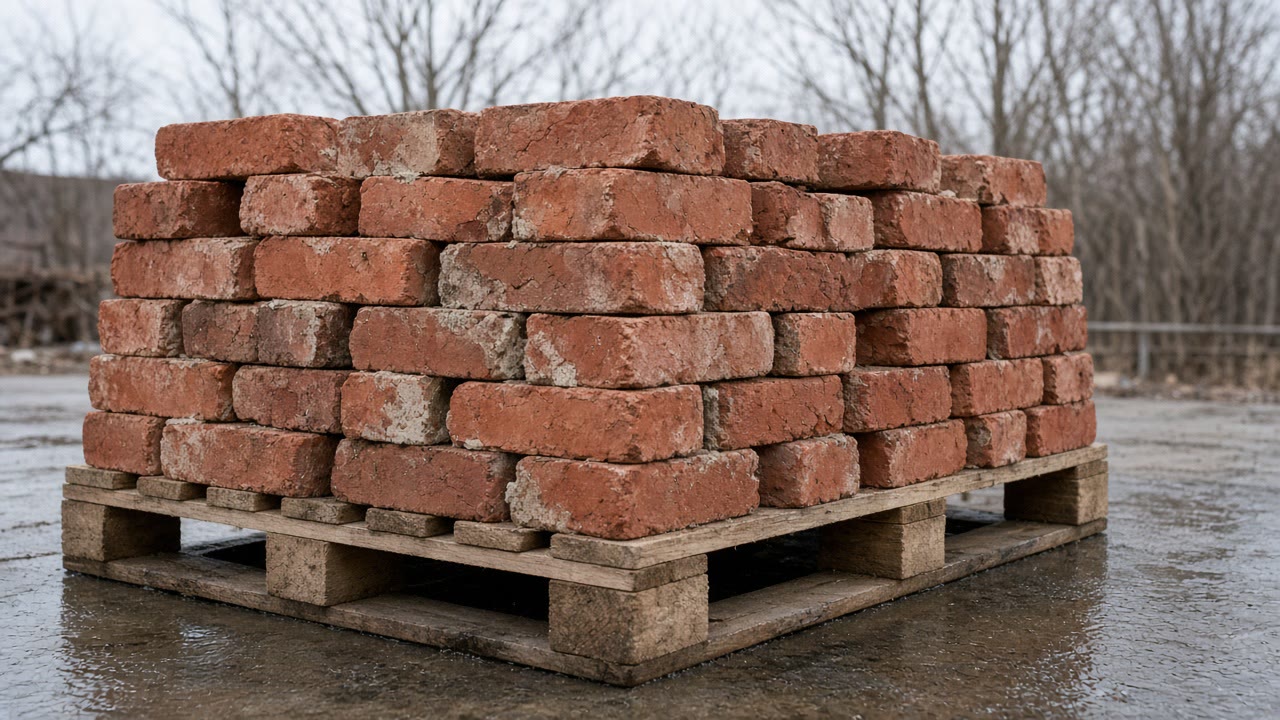
National Park Service Preservation Brief 2 sets four criteria a repointing mortar must meet, and two of them are about physics rather than looks. The new mortar must have greater vapor permeability and be softer, measured in compressive strength, than the masonry units. It must also be as vapor permeable and as soft or softer, measured in compressive strength, than the historic mortar it replaces. The Brief states the rule directly: mortars for repointing should be softer or more permeable than the masonry units and no harder or more impermeable than the historic mortar, to prevent damage to the masonry units.
Source: National Park Service, Technical Preservation Services, Preservation Brief 2: Repointing Mortar Joints in Historic Masonry Buildings, by Robert C. Mack, FAIA, and John P. Speweik, 1998, accessed 2026-09-10
The Town of DeWitt has 10,996 housing units with a median year of construction of 1963: 18.7 percent built in 1939 or earlier, 25.6 percent between 1940 and 1959, 17.7 percent in the 1960s and 13.8 percent in the 1970s, giving 44.2 percent pre-1960 and 75.8 percent pre-1980. The DeWitt census place inside the town has 4,370 units, a median of 1964 and a much lower pre-1940 share of 11.5 percent, with 26.8 percent of its stock built in the 1950s.
Source: US Census Bureau, American Community Survey 2020-2024 5-year estimates, table B25034 Year Structure Built and table B25035 Median Year Structure Built, accessed 2026-09-10
Ranked instead by the share of housing built between 1940 and 1959, the era in which steel angle lintels over openings became standard in brick and brick-veneer houses, the county orders itself completely differently: Galeville 60.7 percent, Seneca Knolls 58.9, Mattydale 54.6, Westvale 51.3, Lyncourt 47.1, Fairmount 42.7, North Syracuse village 38.5, Geddes town 37.1, Salina town 35.0, Solvay village 31.3, Camillus town 30.4, Liverpool village 27.1, Fayetteville village 26.8, East Syracuse village 26.4, DeWitt town 25.6, the City of Syracuse 23.3, Manlius town 22.3, Cicero town 19.7, Baldwinsville village 17.3, Marcellus town 15.1, Skaneateles village 13.1 and Clay town 12.8.
Source: US Census Bureau, American Community Survey 2020-2024 5-year estimates, table B25034 Year Structure Built and table B25035 Median Year Structure Built, accessed 2026-09-10
Why DeWitt needs the build year, not the town
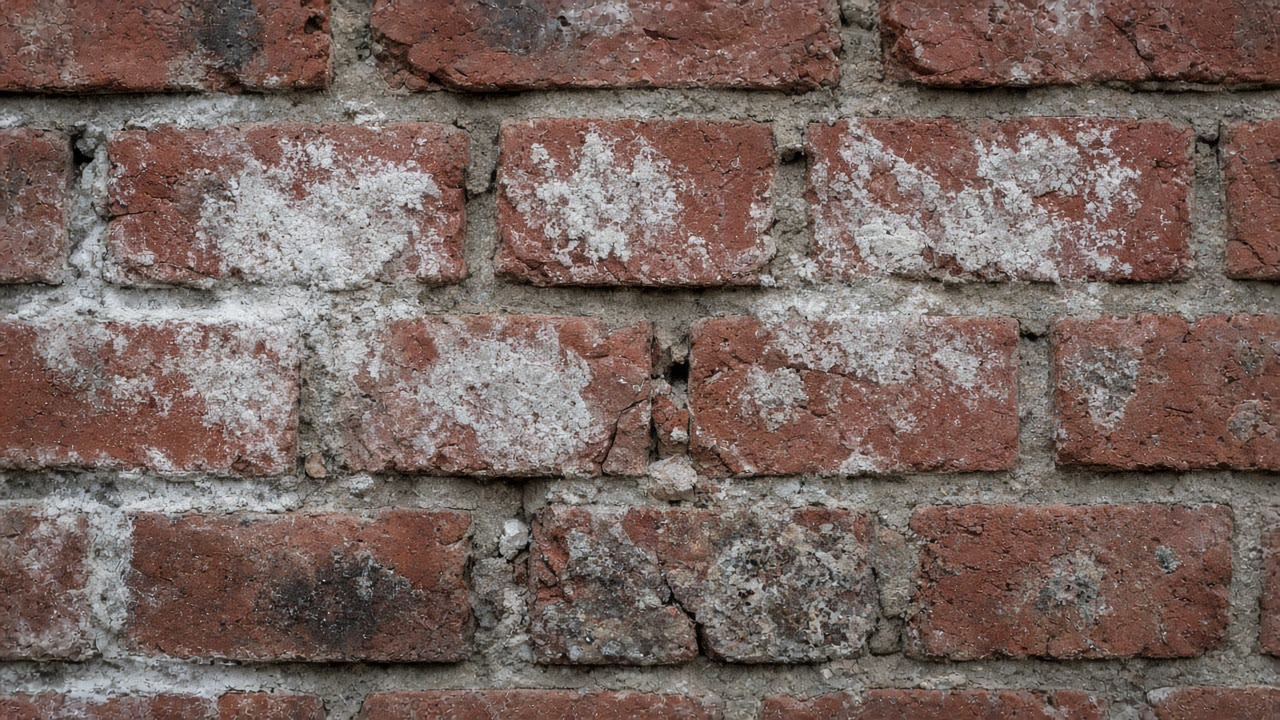
DeWitt is the one town around here where neither answer wins outright. Of 10,996 homes the median build year is 1963, with 18.7 percent built before 1940, 25.6 percent between 1940 and 1959 and 75.8 percent before 1980, while the DeWitt census place inside the town is younger at 11.5 percent prewar with 26.8 percent from the 1950s alone. So a prewar house here wants a mortar softer and more permeable than its brick, a 1950s house usually does not, and the only way to know which you own is the build year.
Which half of DeWitt is your house in
Settle it on your own house rather than on the town's average. Two of the four criteria for a repointing mortar never show in a finished joint: it has to be more vapor permeable and lower in compressive strength than the units it sits between, and no harder or less permeable than the mortar it replaces. Color and profile are the two everybody discusses. So the lever you have is the scope of works. Ask for a named type, ask what it was matched against, and have both written down before a trowel is loaded.
The two criteria you cannot see in a finished joint
The federal guidance sets four criteria for a repointing mortar and two are about physics rather than looks: greater vapor permeability and lower compressive strength than the masonry units, and no harder or less permeable than the historic mortar being replaced. Color and profile are the other two, and they are the only ones this market talks about.
18.7 percent prewar, 25.6 percent in the lintel decades
DeWitt's 10,996 units give 44.2 percent pre-1960 and 75.8 percent pre-1980, with the census place inside the town at 11.5 percent prewar and 26.8 percent from the 1950s. Both of this site's mechanisms have real stock to act on here, which is unusual.
Mid-table on both county rankings at once
On the prewar ranking DeWitt town sits at 18.7 percent, below Baldwinsville and above North Syracuse. On the 1940 to 1959 ranking it sits at 25.6 percent, below East Syracuse and above the City of Syracuse. Mid-table twice is why we will not lead a DeWitt quote with either story before we know the year.
Do you know the build year?
Send it with the DeWitt address. In this town that one number decides which mortar belongs in the contract.
Other DeWitt masonry on the same elevation
Repointing questions from DeWitt and Jamesville
Our DeWitt house is from 1963. Does it need a special mortar?
Probably not the soft historic answer, and that is money saved rather than a brush off. A house of that vintage generally has harder brick and was built with a cement based mortar, so matching what is there means something in the normal range. What is worth checking on a 1963 house is whether the joints have actually failed or merely weathered, and what is happening above the windows and the garage, because a quarter of this town comes from the decades when bare steel over an opening was standard.
What should a DeWitt repointing quote actually say about mortar?
A type, and what it was matched against. Not that the color and joint profile will be matched, which every mason in this market offers, because two of the four published criteria are invisible once the joint is struck: more vapor permeable and softer than the brick, and no harder than the mortar being replaced. A quote that names a type has committed to something checkable. A quote that promises a good match has not.
Get a DeWitt wall matched to its own decade
Joints washing out, hollow joints, brick going sandy beside old pointing: describe it with the address, no obligation.