
Repointing in Manlius: The District Is the Exception
Half of Manlius village went up in the 1960s and 1970s, so the historic standard applies to a minority of addresses here.
Repointing quote in Manlius
Share a few details so we can confirm coverage and arrange the right next step.
Would you rather talk it through? Call (315) 640-3590, answered 24/7.
$100 off your first job
Credited by us on your first booked job.
- One credit per customer per property, on your first booked job.
- Valid through December 31, 2026.
Mention this offer when you book. Full terms.
A 1968 village with a 50 building district inside it
The Town of Manlius has 14,524 housing units with a median year of construction of 1972, a pre-1940 share of 11.2 percent and 22.3 percent built between 1940 and 1959. Manlius village inside it has 2,070 units, a median of 1968, a pre-1940 share of 10.5 percent and 50.9 percent built in the 1960s and 1970s. Fayetteville village has 2,092 units, a median of 1961, a pre-1940 share of 20.7 percent, 26.8 percent built between 1940 and 1959 and 77.2 percent built before 1980.
Source: US Census Bureau, American Community Survey 2020-2024 5-year estimates, table B25034 Year Structure Built and table B25035 Median Year Structure Built, accessed 2026-09-10
The same National Park Service records list village historic districts across the metro: the Skaneateles Historic District with 59 contributing buildings, the Manlius Village Historic District with 50, the Genesee Street Hill and Limestone Plaza Historic District in Fayetteville with 40, and the Oswego-Oneida Streets Historic District in Baldwinsville with 32. Individual listings outside districts include the Lucius Gleason House in Liverpool, the Solvay Public Library, the Dan Bradley House and the Tefft-Steadman House in Marcellus, five listings at Camillus including the Wilcox Octagon House and the Camillus Union Free School, and the Stone Arabia School in Cicero.
Source: National Park Service, Cultural Resources geospatial data, National Register of Historic Places points and polygons map service, queried for Onondaga County, New York, accessed 2026-09-10
Preservation Brief 1 states that water-repellent coatings are frequently applied to historic masonry buildings for the wrong reason and often without an understanding of what they are intended to do, that they can be very difficult if not impossible to remove if they fail or discolor, and that most importantly the application of water-repellent coatings to historic masonry is usually unnecessary. It states that water penetration to the interior of a masonry building is seldom due to porous masonry but results from poor or deferred maintenance, and that leaking roofs, clogged or deteriorated gutters and downspouts, missing mortar, or cracks and open joints around door and window openings are almost always the cause. It also warns that a coating still reduces the vapor permeability of the masonry, so vapor that gets in can condense at cold spots into liquid water which, unlike vapor, cannot escape through the coating.
Source: National Park Service, Technical Preservation Services, Preservation Brief 1: Assessing Cleaning and Water-Repellent Treatments for Historic Masonry Buildings, by Robert C. Mack, FAIA, and Anne E. Grimmer, accessed 2026-09-10
New York's State Historic Preservation Office runs a Historic Homeownership Rehabilitation Tax Credit Program offering a state income tax credit equal to 20 percent of qualified rehabilitation expenses on repair, maintenance and upgrades to historic homes. The applicant must own and live in the home; the home must be listed in the New York State and National Registers of Historic Places, either individually or as a contributing building in a listed historic district; and the home must be in a qualifying census tract. Total qualified expenses must be 5,000 dollars or more, with a minimum of 5 percent spent on exterior work. The office states that all projects must be approved before work begins, that replacing repairable historic material is never recommended, and that damaged historic material should be replaced in kind.
Source: New York State Office of Parks, Recreation and Historic Preservation, State Historic Preservation Office, Historic Homeownership Rehabilitation Tax Credit Program, accessed 2026-09-10
Which Manlius address needs the historic mortar answer
Most masonry in this town is comparatively modern. The village's 2,070 homes have a median build year of 1968, just 10.5 percent built before 1940 and 50.9 percent built across the 1960s and 1970s, and the town around it has a median of 1972 with an 11.2 percent prewar share. So the Manlius Village Historic District, with its 50 contributing buildings, is an island inside a young village rather than the general condition. Two very different jobs follow from that, and the address is what decides which one you are buying.
The coating to refuse, whichever half you are in
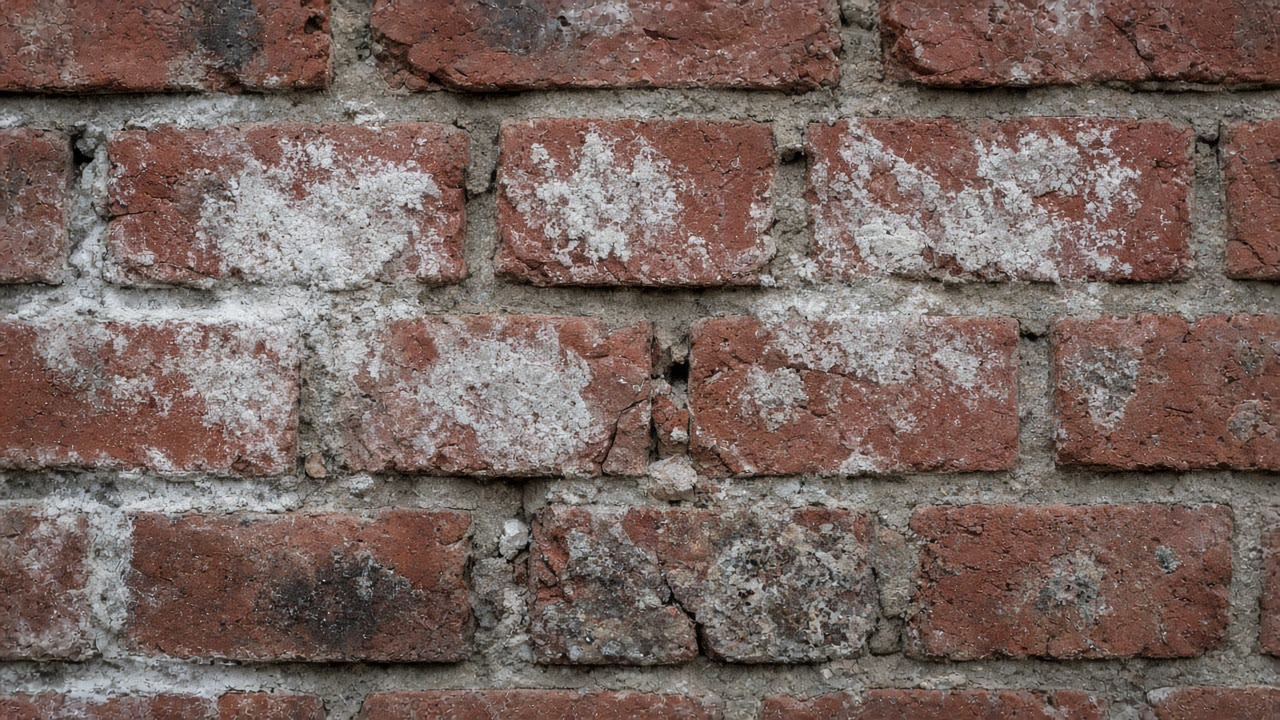
One upsell is worth refusing on either side of that line. Water repellent coatings on masonry are, in the federal guidance's own words, usually unnecessary, frequently applied for the wrong reason, and very difficult if not impossible to remove if they fail or discolor. The same guidance says water reaching the inside of a masonry building is seldom due to porous masonry and almost always comes from poor or deferred maintenance: leaking roofs, clogged gutters and downspouts, missing mortar, or open joints around openings. That is where the money belongs.
A contributing address changes the standard and the money
The National Register records the Manlius Village Historic District with 50 contributing buildings, second among the county's village districts only to Skaneateles at 59. A plain house inside a boundary counts, which is why the boundary check comes before the quote rather than after it.
Coatings are usually unnecessary
The federal guidance states that water repellent coatings are frequently applied for the wrong reason, can be impossible to remove if they fail or discolor, and that their application to historic masonry is usually unnecessary. It adds that a coating reduces vapor permeability, so vapor that gets in can condense into liquid water which cannot escape.
Approval comes before work, not after
New York's homeowner rehabilitation credit is worth 20 percent of qualified expenses, needs at least 5,000 dollars of them with a minimum of 5 percent on exterior work, and requires the owner to live in the house. Every project has to be approved before work begins, and there is no retrospective route.
Inside the Manlius district, or outside it?
Send the address and a line on what the joints are doing. That tells us which standard the work has to meet.
Other Manlius work on the same elevation
Repointing questions from Manlius homeowners
Should we seal the brick after repointing?
We would advise against it, and the federal guidance is unusually direct: water repellent coatings on historic masonry are usually unnecessary, are often applied without an understanding of what they are meant to do, and can be impossible to remove if they fail or discolor. They also reduce the wall's vapor permeability, so vapor that gets in can condense at a cold spot into liquid water that cannot get back out. Spend it on the gutters and the joints.
How do I find out whether our house is in the Manlius district?
Check the address against the district boundary before anything is planned. The Manlius Village Historic District carries 50 contributing buildings, the second largest village district in the county. If yours is one, the mortar has a standard to match and the state's 20 percent homeowner credit comes into reach, and that credit has to be approved before work begins with no retrospective route. If it is not, the likely job is ordinary maintenance.
Get a Manlius wall priced for what it is
Joints washing out, a patch that has gone hard, somebody offering a sealer: describe it with the address, no obligation.