
The Chimney Is the Oldest Thing on a Manlius House
On a village built in the 1960s and 1970s the stack is usually the first masonry to need real work, and access is what it costs.
Chimney Repair quote in Manlius
Share a few details so we can confirm coverage and arrange the right next step.
Would you rather talk it through? Call (315) 640-3590, answered 24/7.
$100 off your first job
Credited by us on your first booked job.
- One credit per customer per property, on your first booked job.
- Valid through December 31, 2026.
Mention this offer when you book. Full terms.
What actually drives a chimney price here
Access, not brick. National cost guidance for this trade puts labor at roughly 80 to 90 percent of the bill with the mortar itself at 10 to 20, notes that masons may charge extra past about eight feet where a chimney or wall is harder to reach, and says the higher the work sits the more it costs. It also notes that scheduling masonry in winter or extreme heat will likely push the price up. So the useful questions are how the stack is being reached, what else gets done on that one setup, and which month it is booked for.
March is what opens a crown
The Syracuse normals put 17.8 crossings of the freezing point in March against 11.9 in January, with 18.0 inches of snow and a mean temperature of 34.2 degrees. Most of what falls in March is melting, and a chimney top is the first surface it lands on and the last to dry.
Labor and height are the bill
A national cost guide for this work states that labor is the largest factor at roughly 80 to 90 percent of the total, with the mortar at 10 to 20 percent, that masons may charge extra past 8 feet where access is harder, and that the higher the work the more it costs. It also notes winter scheduling raises prices.
A young village with one old element on the roof
Manlius village has 2,070 units with a median build year of 1968 and 50.9 percent built across the 1960s and 1970s, on a town median of 1972. When masonry needs attention on a house like that, it is nearly always the chimney rather than the walls.
17.8 March crossings, and where a chimney bill comes from
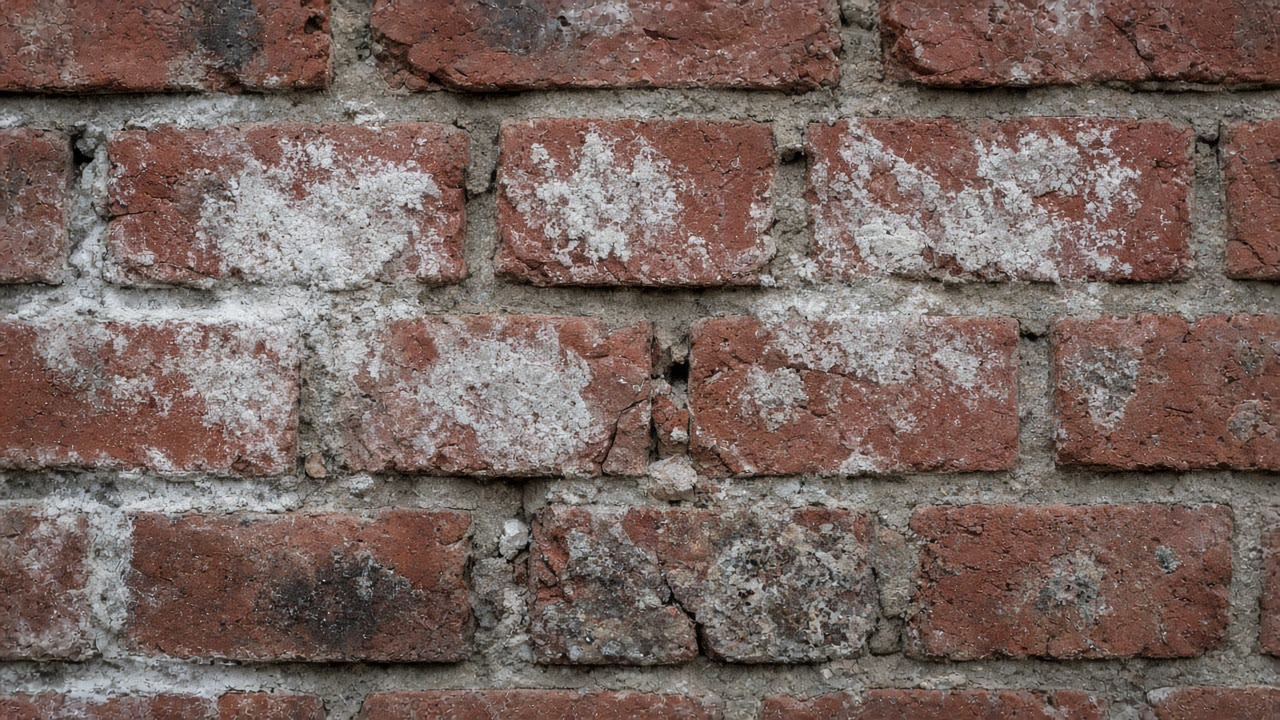
Broken down by month, the Syracuse normals put the freezing crossings at 11.9 days in January, 13.3 in February, 17.8 in March, 8.7 in April, 3.8 in October, 12.8 in November and 14.7 in December, with March the single worst month of the year. March also carries a normal 18.0 inches of snow and 2.95 inches of precipitation, and a normal mean temperature of 34.2 degrees Fahrenheit, so most of what falls in March is melting.
Source: NOAA National Centers for Environmental Information, 1991-2020 US Climate Normals, station USW00014771 Syracuse Hancock International Airport, accessed 2026-09-10
A national cost guide for tuckpointing and repointing states that the cost of labor is the largest factor in calculating the cost of repointing a house and that labor accounts for roughly 80 to 90 percent of the overall cost, with the mortar itself usually making up only 10 to 20 percent of the total project. It also states that masons may start charging extra past 8 feet where a chimney or wall is harder to access, that the higher the work is off the ground the more the mason will charge, and that scheduling masonry work in winter or during extreme heat will likely increase prices.
Source: HomeAdvisor, How Much Do Tuckpointing and Repointing Cost, Angi, accessed 2026-09-10
The Town of Manlius has 14,524 housing units with a median year of construction of 1972, a pre-1940 share of 11.2 percent and 22.3 percent built between 1940 and 1959. Manlius village inside it has 2,070 units, a median of 1968, a pre-1940 share of 10.5 percent and 50.9 percent built in the 1960s and 1970s. Fayetteville village has 2,092 units, a median of 1961, a pre-1940 share of 20.7 percent, 26.8 percent built between 1940 and 1959 and 77.2 percent built before 1980.
Source: US Census Bureau, American Community Survey 2020-2024 5-year estimates, table B25034 Year Structure Built and table B25035 Median Year Structure Built, accessed 2026-09-10
What chimney repair involves

Why the stack ages faster than the rest of a Manlius house
Half of Manlius village was built across the 1960s and 1970s, so most of the masonry on these houses is not old. The chimney is the exception, because it ages faster than everything below it. It sits above the roof with weather on every side, and March alone brings 17.8 crossings of the freezing point here, more than any other month, with 18 inches of snow and a mean temperature of 34.2 degrees so most of it is melting rather than sitting frozen. That is the cycle that opens a crown, and it is why a 1970 stack needs work while the walls do not.
What else needs doing while the staging is up?
List it with the Manlius address. One setup covering three jobs is the only real saving on a chimney.
Chimney cost questions from Manlius
Why does a chimney cost more than the same area of wall?
Because you are paying to get up there. Cost guidance for this trade puts labor at roughly 80 to 90 percent of the total with the mortar at 10 to 20, and notes that masons may charge extra past about eight feet where the work is harder to access. A stack is the highest masonry on the house and the hardest to reach safely, so the same square footage costs several times what it would at ground level. The way to reduce that is to do everything up there in one visit.
Is it cheaper to wait until spring?
Often yes, and the guidance says as much: scheduling masonry work in winter or during extreme heat will likely increase prices. If the crown has failed in November, the sensible sequence is a properly fitted cover now and the rebuild once the masonry is warm enough, which also avoids paying a cold weather premium for work that would cure badly anyway. If the stack is unstable rather than leaking, that is a different conversation and it should be looked at now.
Get a Manlius stack quoted with its access
A crown cracked out from the liner, joints gone at the top, a lean above the roof: describe it with the address, no obligation.