
Fayetteville Chimneys and Why the Staging Matters
Above ten feet a scaffold has to protect the people on it, and that is the difference between two quotes that look alike.
Chimney Repair quote in Fayetteville
Share a few details so we can confirm coverage and arrange the right next step.
Would you rather talk it through? Call (315) 640-3590, answered 24/7.
$100 off your first job
Credited by us on your first booked job.
- One credit per customer per property, on your first booked job.
- Valid through December 31, 2026.
Mention this offer when you book. Full terms.
Do the whole stack once, or come back
The published advice on partial work applies directly to a chimney. Repoint only what needs it, but once 25 to 50 percent or more of an area has failed, doing the whole thing can be more cost effective than spot work, and total repointing may also be more sensible where access is difficult and requires expensive scaffolding. A chimney is the definition of difficult access. So the question is not only what has failed today, it is what is likely to fail before anybody is up there again.
Above ten feet the staging is not optional
The federal scaffold standard requires each employee on a scaffold more than 10 feet above a lower level to be protected from falling to that level, and specifies the type of fall protection by scaffold type. A two story stack is well past that, so the staging is part of the job rather than an extra.
Difficult access changes the right scope
The federal guidance prefers repointing only the areas that need it, but says that where 25 to 50 percent or more of a wall needs work, doing the whole thing may be more cost effective, and that total repointing may also be more sensible where access is difficult and expensive scaffolding must be erected.
A village old enough to have real stack work
Fayetteville is 20.7 percent pre-1940 with 77.2 percent of its 2,092 homes built before 1980, on a median of 1961. That is old enough that a stack usually needs more than one thing doing, which is what makes a single properly staged visit the cheaper route.
Ten feet, and what difficult access does to a scope
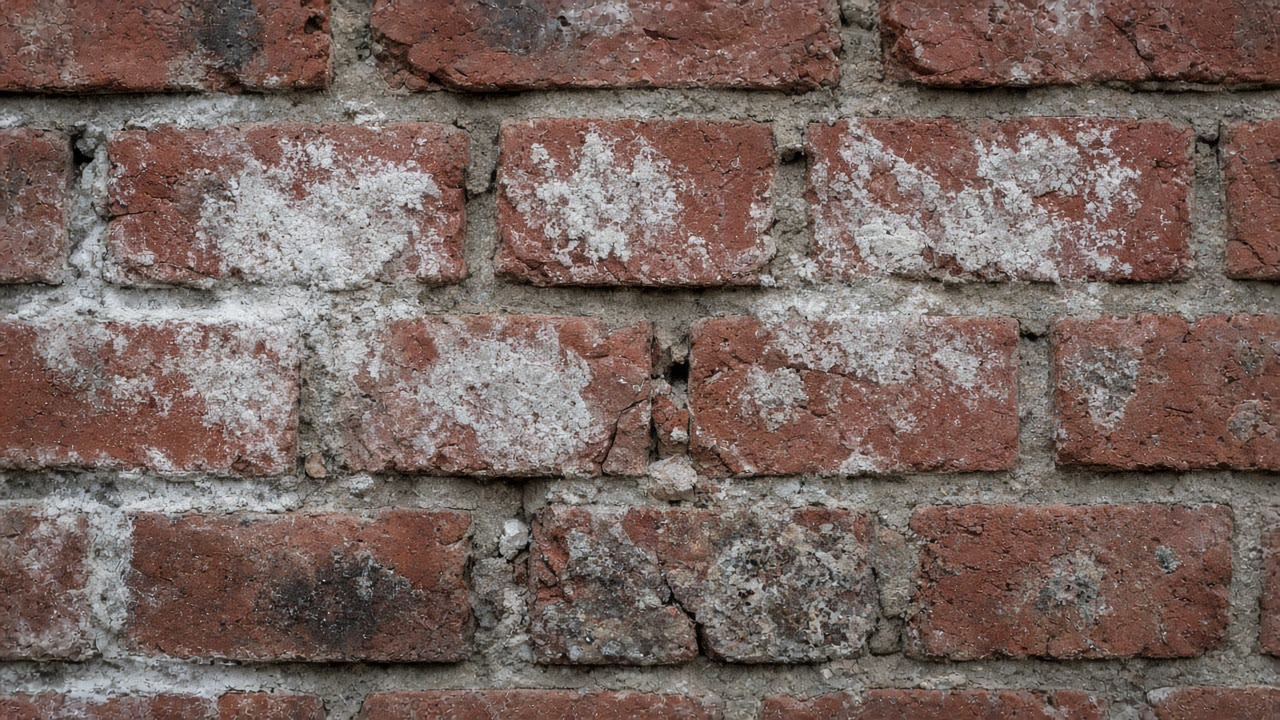
OSHA's scaffold standard requires that each employee on a scaffold more than 10 feet above a lower level be protected from falling to that lower level, and specifies the type of fall protection by scaffold type.
Source: 29 CFR 1926.451, General requirements for scaffolds, via the Electronic Code of Federal Regulations, accessed 2026-09-10
Preservation Brief 2 states that it is preferable to repoint only those areas that require work rather than an entire wall, as is often specified, but that if 25 to 50 percent or more of a wall needs to be repointed, repointing the entire wall may be more cost effective than spot repointing. It adds that total repointing may also be more sensible where access is difficult and requires the erection of expensive scaffolding, unless the majority of the mortar is sound and unlikely to need replacement in the foreseeable future, and that recognizing this at the outset helps prevent jobs from becoming prohibitively expensive.
Source: National Park Service, Technical Preservation Services, Preservation Brief 2: Repointing Mortar Joints in Historic Masonry Buildings, by Robert C. Mack, FAIA, and John P. Speweik, 1998, accessed 2026-09-10
The Town of Manlius has 14,524 housing units with a median year of construction of 1972, a pre-1940 share of 11.2 percent and 22.3 percent built between 1940 and 1959. Manlius village inside it has 2,070 units, a median of 1968, a pre-1940 share of 10.5 percent and 50.9 percent built in the 1960s and 1970s. Fayetteville village has 2,092 units, a median of 1961, a pre-1940 share of 20.7 percent, 26.8 percent built between 1940 and 1959 and 77.2 percent built before 1980.
Source: US Census Bureau, American Community Survey 2020-2024 5-year estimates, table B25034 Year Structure Built and table B25035 Median Year Structure Built, accessed 2026-09-10
What chimney repair involves
What separates two Fayetteville chimney quotes
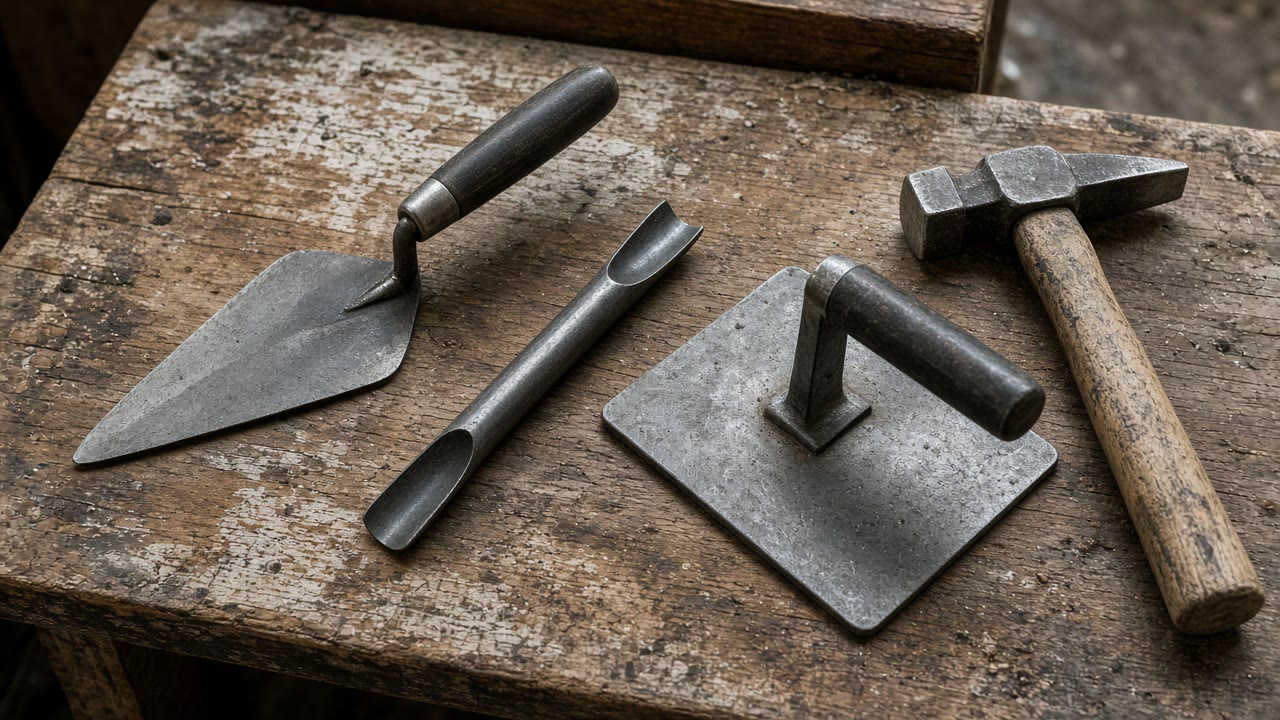
Two prices for the same stack usually differ on how the crew gets to it. Federal rules require every employee on a scaffold more than ten feet above a lower level to be protected from falling, with the type of protection specified by scaffold type, and a chimney on a two story Fayetteville house is a long way past ten feet. So a quote that includes proper staging is buying something a ladder quote is not. In a village that is 20.7 percent prewar and 77.2 percent pre-1980, there is usually enough work up there to justify the setup.
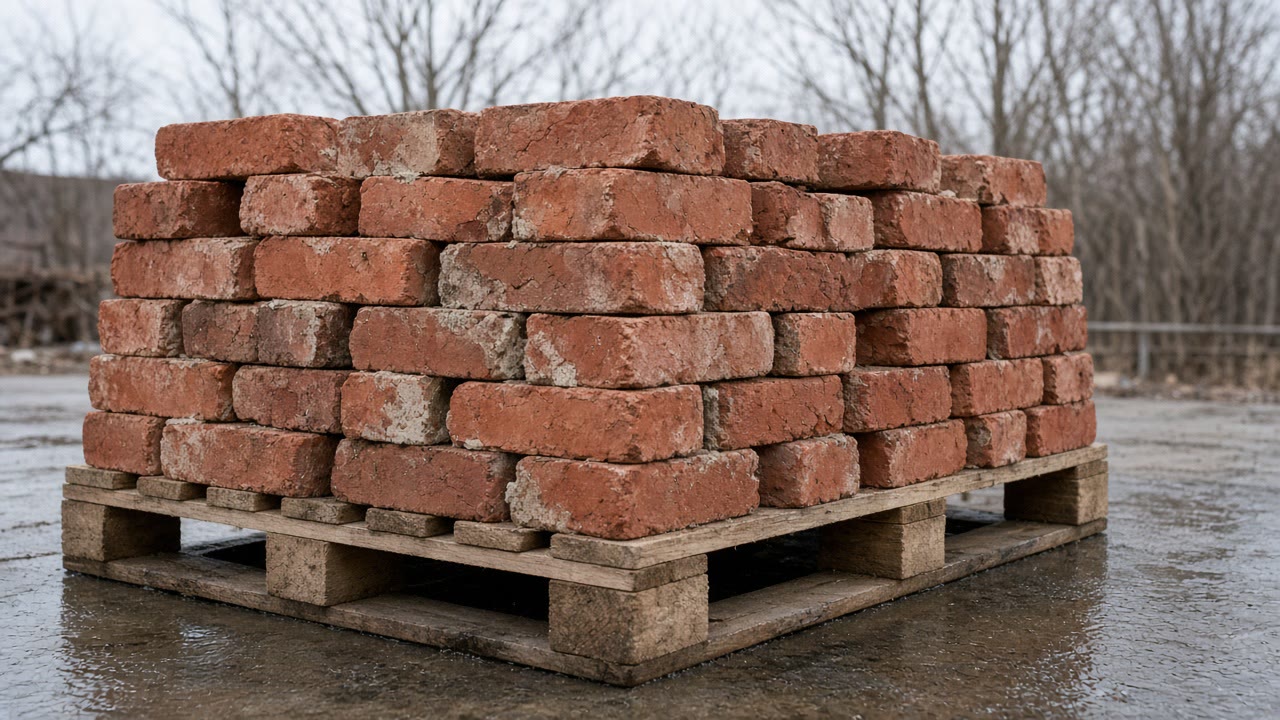
How is the stack going to be reached?
Ask that of every quote, and send the Fayetteville address with what you are told.
Chimney questions from Fayetteville owners
One quote uses a ladder and one includes scaffolding. Are they the same job?
No. Federal rules require each employee on a scaffold more than ten feet above a lower level to be protected from falling, with the fall protection specified by scaffold type, and a two story stack is well past that. Staging also lets somebody work with both hands for a full day rather than reaching from a ladder, which is the difference between joints packed properly and joints skimmed. Ask each quote to state how the work is reached.
Should we do the whole stack while the staging is up?
Usually, and the guidance agrees. It prefers pointing only what needs it, but says that where 25 to 50 percent or more of an area has failed, or where access is difficult and expensive scaffolding is required, total repointing may be more cost effective. On a chimney the access is the expensive part, so the honest advice is to deal with everything up there in one visit rather than have somebody return in three years.
Get a Fayetteville stack scoped for one visit
A crown breaking up, joints gone at the top, flashing lifting at the roofline: describe it with the address, no obligation.