
A Modern Village With an Old Core: Repointing Baldwinsville
Roughly a fifth of this village predates 1940 and two fifths went up since 1980, so the default bag of mortar is right for one and wrong for the other.
Repointing quote in Baldwinsville
Share a few details so we can confirm coverage and arrange the right next step.
Would you rather talk it through? Call (315) 640-3590, answered 24/7.
$100 off your first job
Credited by us on your first booked job.
- One credit per customer per property, on your first booked job.
- Valid through December 31, 2026.
Mention this offer when you book. Full terms.
20.6 percent old, 43 percent new, one village
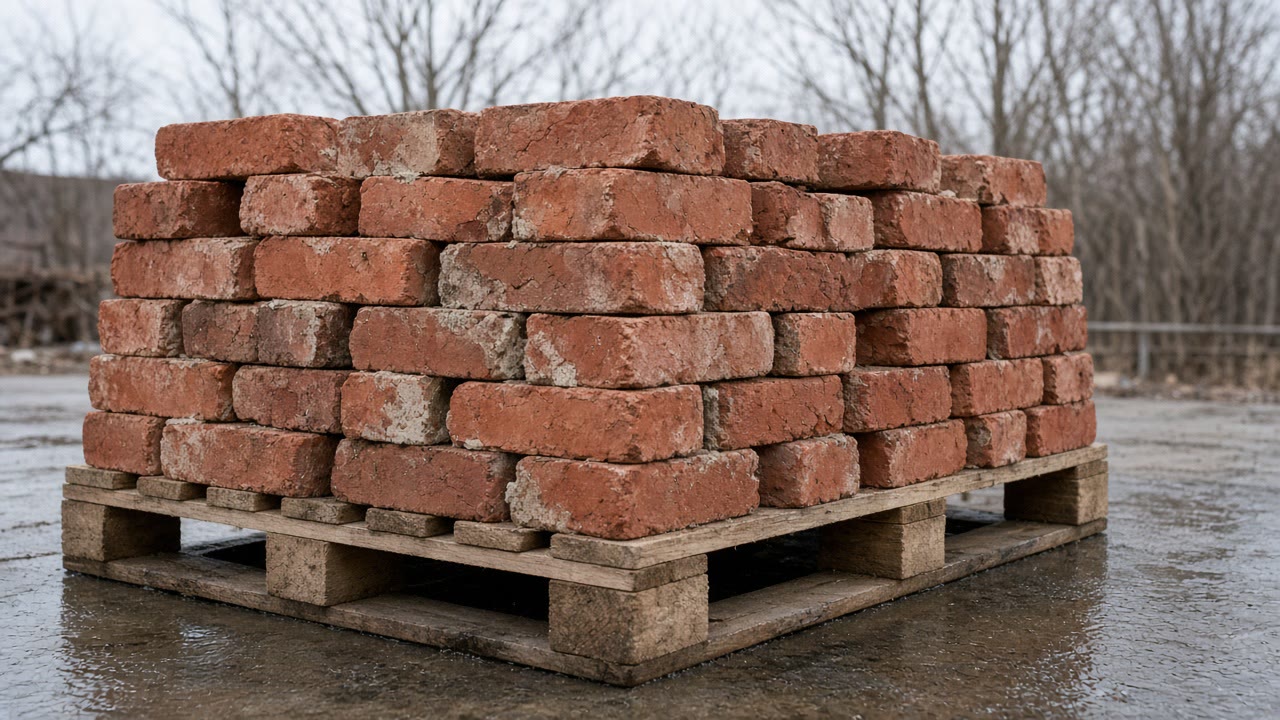
Preservation Brief 2 records that masonry cement is a preblended bagged mortar mix commonly found at hardware and home repair stores, introduced in the 1930s to hasten and simplify masons' work. It may contain hydrated lime but it always contains a large amount of portland cement as well as ground limestone and other workability agents including air-entraining agents. Because masonry cements are not required to contain hydrated lime, and generally do not contain lime, the Brief states that they produce high strength mortars that can damage historic masonry, and that for this reason they generally are not recommended for use on historic masonry buildings.
Source: National Park Service, Technical Preservation Services, Preservation Brief 2: Repointing Mortar Joints in Historic Masonry Buildings, by Robert C. Mack, FAIA, and John P. Speweik, 1998, accessed 2026-09-10
Baldwinsville village has 3,784 housing units with a median year of construction of 1975, a pre-1940 share of 20.6 percent and 17.3 percent built between 1940 and 1959, so 56.7 percent of the village predates 1980. Marcellus village has 1,031 units, a median of 1952, a pre-1940 share of 38.4 percent and 81.5 percent built before 1980, and the Town of Marcellus around it has 2,789 units, a median of 1963 and a pre-1940 share of 31.8 percent.
Source: US Census Bureau, American Community Survey 2020-2024 5-year estimates, table B25034 Year Structure Built and table B25035 Median Year Structure Built, accessed 2026-09-10
The same National Park Service records list village historic districts across the metro: the Skaneateles Historic District with 59 contributing buildings, the Manlius Village Historic District with 50, the Genesee Street Hill and Limestone Plaza Historic District in Fayetteville with 40, and the Oswego-Oneida Streets Historic District in Baldwinsville with 32. Individual listings outside districts include the Lucius Gleason House in Liverpool, the Solvay Public Library, the Dan Bradley House and the Tefft-Steadman House in Marcellus, five listings at Camillus including the Wilcox Octagon House and the Camillus Union Free School, and the Stone Arabia School in Cicero.
Source: National Park Service, Cultural Resources geospatial data, National Register of Historic Places points and polygons map service, queried for Onondaga County, New York, accessed 2026-09-10
Which fifth of Baldwinsville your house sits in
Baldwinsville is the most internally mixed place in the metro. Its 3,784 homes have a median build year of 1975, with 20.6 percent built in 1939 or earlier, 17.3 percent between 1940 and 1959 and 56.7 percent before 1980, which leaves roughly 43 percent from 1980 onward. That is not an old village with a modern fringe, it is a modern village with an old core. So a crew's default mortar is a reasonable answer on two fifths of these addresses and the wrong one on the oldest fifth, and the street name tells you nothing about which you are.
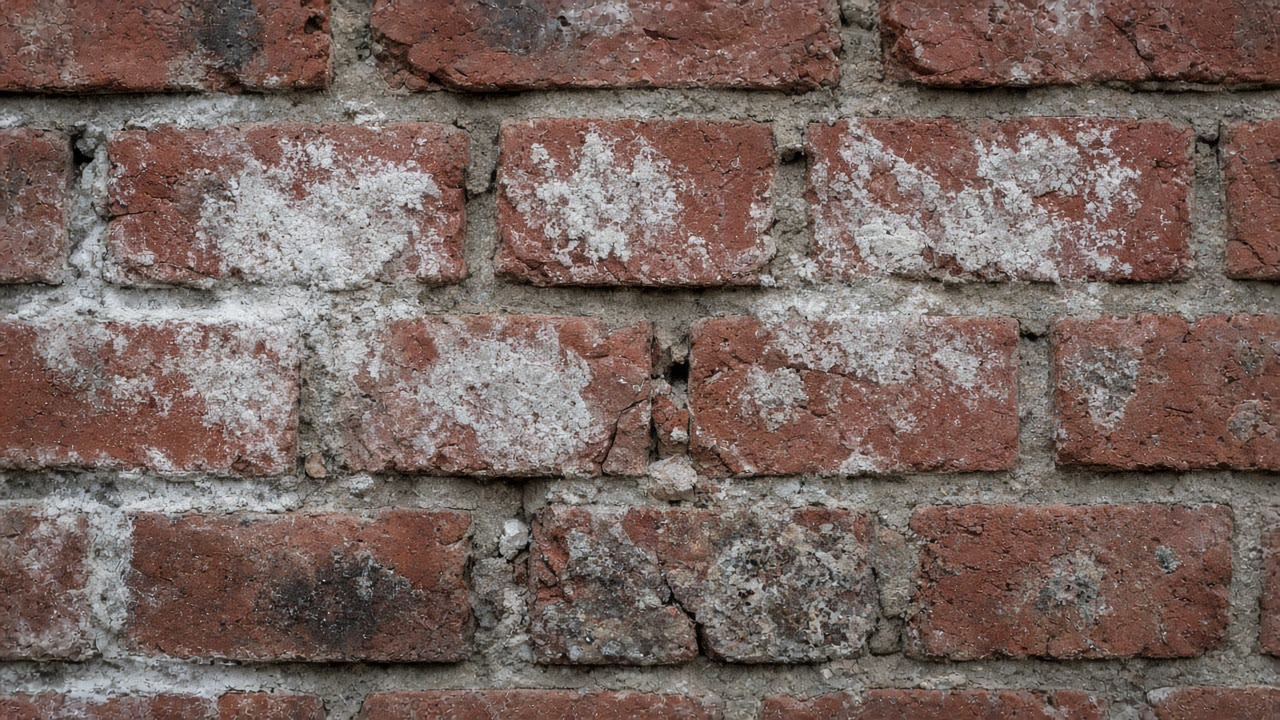
The bag, or a mix made on site
The question that sorts it is where the mortar comes from. Masonry cement, the preblended bag on the shelf, always contains a large amount of portland cement and generally no lime at all, and the federal guidance states plainly that it produces high strength mortars which can damage historic masonry and generally is not recommended for use on it. On a 1990s Baldwinsville house that bag is unremarkable. On a house in the old core it is the thing that turns a maintenance item into a brick bill, and the difference costs nothing to ask about.
The premix bag is the fault line here
Masonry cement is a preblended bagged mix introduced in the 1930s to speed masons' work. It may contain hydrated lime but always contains a large amount of portland cement, and because it is not required to contain lime and generally does not, the federal guidance says it produces high strength mortars that can damage historic masonry.
A modern village with an old core
3,784 homes on a median build year of 1975: 20.6 percent built in 1939 or earlier, 17.3 percent between 1940 and 1959 and 56.7 percent before 1980, leaving roughly 43 percent from 1980 on. Both of those age shares sit below the county's own, which is what makes this a modern village rather than an old one.
32 contributing buildings on Oswego and Oneida Streets
The National Register records the Oswego-Oneida Streets Historic District in Baldwinsville with 32 contributing buildings, alongside Skaneateles at 59, Manlius village at 50 and Fayetteville at 40. A plain house inside that boundary is a contributing building, which changes the standard and the money.
Old core, or the newer village?
Send the Baldwinsville address with the build year if you know it. That decides which mortar is right.
Repointing questions from Baldwinsville owners
Our house is from 1992. Is the bagged mortar a problem for us?
Almost certainly not, and it is worth saying so rather than selling you a concern. The guidance against preblended masonry cement is about historic masonry, where a high strength mortar can damage soft old brick. A house from 1992 was built with a cement based mortar and harder units, so matching what is already there is the ordinary answer. What is worth checking on a house that age is the flashing and the weepholes rather than the mix in the mixer.
How would I know whether we are in the old core?
The build year first, then the district boundary. Roughly a fifth of the village was built in 1939 or earlier, and the Oswego-Oneida Streets Historic District carries 32 contributing buildings, so an ordinary house on the right street can be one of them. If you are inside that boundary the standard and the money both change. Send the address and we will tell you what we can establish before anybody prices the work.
Get the Baldwinsville mix matched to the house
Joints washing out, hollow joints, a hard patch beside soft brick: describe it with the address, no obligation.