
Repointing in Cicero, Where General Advice Nearly Fits
Onondaga County's housing is sixteen years older than the country's at the median. Cicero is the one town where that gap closes.
Repointing quote in Cicero
Share a few details so we can confirm coverage and arrange the right next step.
Would you rather talk it through? Call (315) 640-3590, answered 24/7.
$100 off your first job
Credited by us on your first booked job.
- One credit per customer per property, on your first booked job.
- Valid through December 31, 2026.
Mention this offer when you book. Full terms.
A median of 1980 in a county that averages 1964
Onondaga County as a whole has 212,002 housing units with a median year of construction of 1964. Of those, 22.6 percent were built in 1939 or earlier, 44.6 percent in 1959 or earlier and 69.9 percent before 1980. The comparable national figures are a median of 1980, with 11.7 percent built in 1939 or earlier, 25.6 percent in 1959 or earlier and 49.7 percent before 1980.
Source: US Census Bureau, American Community Survey 2020-2024 5-year estimates, table B25034 Year Structure Built and table B25035 Median Year Structure Built, accessed 2026-09-10
The Brick Industry Association's summary recommendation in Technical Note 8 is to use Type N mortar for normal use, including most veneer applications, and to select the mortar type using the recommendations of Technical Note 8B.
Source: Brick Industry Association, Technical Note 8, Mortars for Brickwork, March 2020, reporting the requirements of ASTM C270 Standard Specification for Mortar for Unit Masonry, accessed 2026-09-10
The Town of Clay has 26,282 housing units, the largest count of any town in Onondaga County, with a median year of construction of 1978. Only 3.2 percent were built in 1939 or earlier and only 16.0 percent in 1959 or earlier, the lowest figures in the county. The Radisson census place inside Clay has a median of 1990 and a pre-1940 share of 4.2 percent. The Town of Cicero has 13,584 units, a median of 1980, a pre-1940 share of 6.9 percent and a pre-1960 share of 26.6 percent.
Source: US Census Bureau, American Community Survey 2020-2024 5-year estimates, table B25034 Year Structure Built and table B25035 Median Year Structure Built, accessed 2026-09-10
Why online advice works better in Cicero than elsewhere
Onondaga County's median house dates from 1964 against 1980 nationally, with nearly double the national pre-1940 share, which is why general advice written for a median American house is systematically wrong here in the one direction that matters. Cicero is the exception: its 13,584 homes have a median build year of 1980, the same as the national figure. So the cost guides and how-to articles you have already read were written for roughly the right vintage of wall, and the normal mortar answer is usually the right answer on your house.
When the normal answer is the right answer
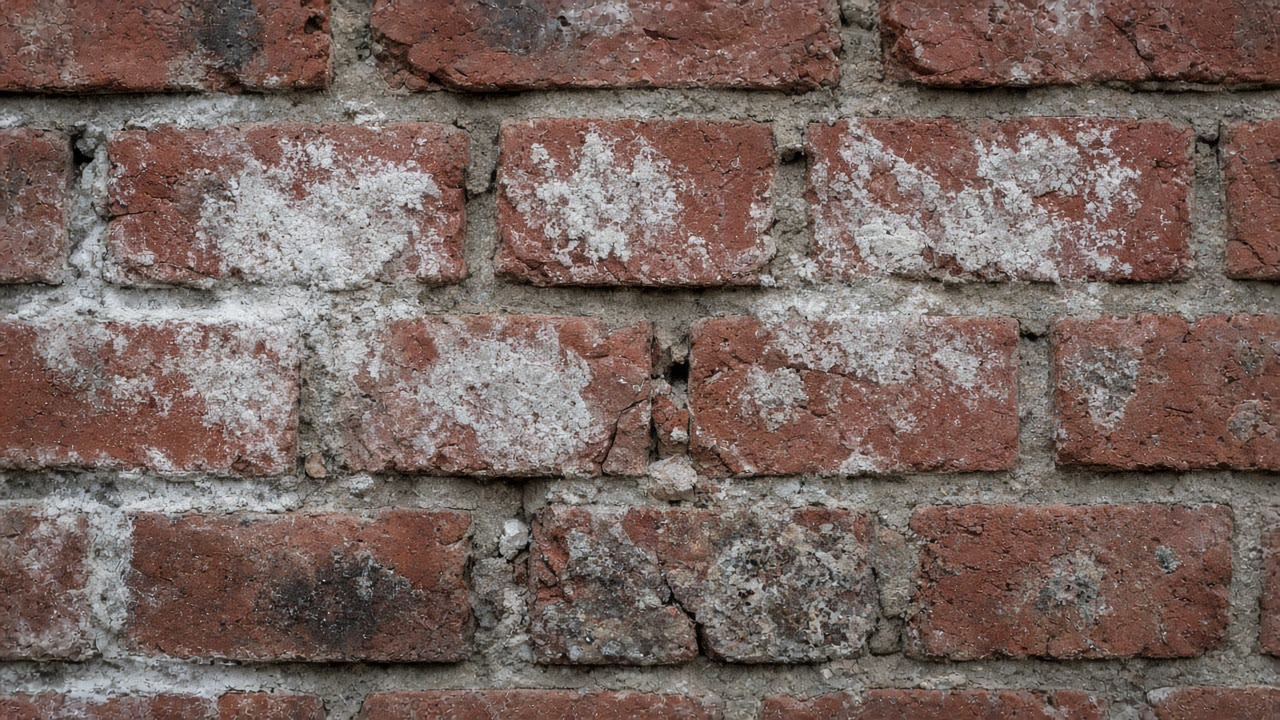
On a house from 1980 or later the brick is generally harder than the brick this site spends most of its time warning about, and the brick industry's summary recommendation for normal use, including most veneer applications, is Type N. That is likely a match for what is already in your wall rather than a compromise made to save money. Where it stops being true is the 6.9 percent of this town built before 1940 and the 26.6 percent built before 1960, so the build year still comes before the specification. It just changes it less often here.
The county is sixteen years older than the country
Onondaga County's 212,002 housing units carry a median build year of 1964, with 22.6 percent built in 1939 or earlier and 44.6 percent before 1960. The national figures are a median of 1980 with 11.7 percent prewar and 25.6 percent pre-1960. Cicero is the local town that matches the national numbers rather than the county ones.
Type N for normal use
The brick industry's summary recommendation is Type N mortar for normal use, including most veneer applications, with the type selected using its own technical guidance. On a Cicero house built since 1980 that is generally consistent with what the wall already has, which is the whole test.
Where Cicero is not typical of itself
6.9 percent of the town was built in 1939 or earlier and 26.6 percent before 1960, so roughly a quarter of Cicero is older than its own median suggests. On those addresses the softer answer applies, which is why the year comes before the quote.
Weathered, or actually failing?
Try a key in the worst joint you can reach and send the Cicero address with what happened.
Repointing questions from Cicero homeowners
Can I trust the cost guides I found online for a Cicero house?
Better here than anywhere else in this metro, and still with a caveat. Cicero's median build year is 1980 and so is the national one, so the article you read was probably written about a wall like yours. The caveat is access and quantity, which no national guide can know about your house: how high the work sits and whether it runs continuously or in scattered patches will move a real number more than the choice of mortar ever does.
Our 1978 Cicero house has joints that look weathered. Do we need to do anything?
Possibly nothing, and that is a real answer rather than a brush off. Weathered is not the same as failed. The test is whether mortar is missing, sounds hollow when tapped, or is soft enough to rake out with a key, and whether water is showing up anywhere inside. If the joints are simply recessed and dull, leave them. If you can pick them out, deal with the weather elevation and leave the other three until they need it.
Get a plain answer on your Cicero joints
Missing mortar, hollow joints, damp showing inside: describe it with the address. If it needs nothing, you will hear that.