
Repointing in Clay Without Closing the Weepholes
Count the small open holes in the brick course above a window. That is the wall's drainage, and a careless repointing run closes every one.
Repointing quote in Clay
Share a few details so we can confirm coverage and arrange the right next step.
Would you rather talk it through? Call (315) 640-3590, answered 24/7.
$100 off your first job
Credited by us on your first booked job.
- One credit per customer per property, on your first booked job.
- Valid through December 31, 2026.
Mention this offer when you book. Full terms.
What a Clay veneer actually needs from repointing
Clay is the one town in this metro where neither of the classic masonry stories applies. Only 3.2 percent of its 26,282 homes were built before 1940 and only 16.0 percent before 1960, both the lowest figures in Onondaga County, with Radisson inside the town at a median of 1990. So a quote opening on historic mortar compatibility is not describing your house. What does go wrong on a modern brick veneer is the drainage path, and the commonest way a repointing job makes a Clay wall worse is by filling the weepholes it was built with.
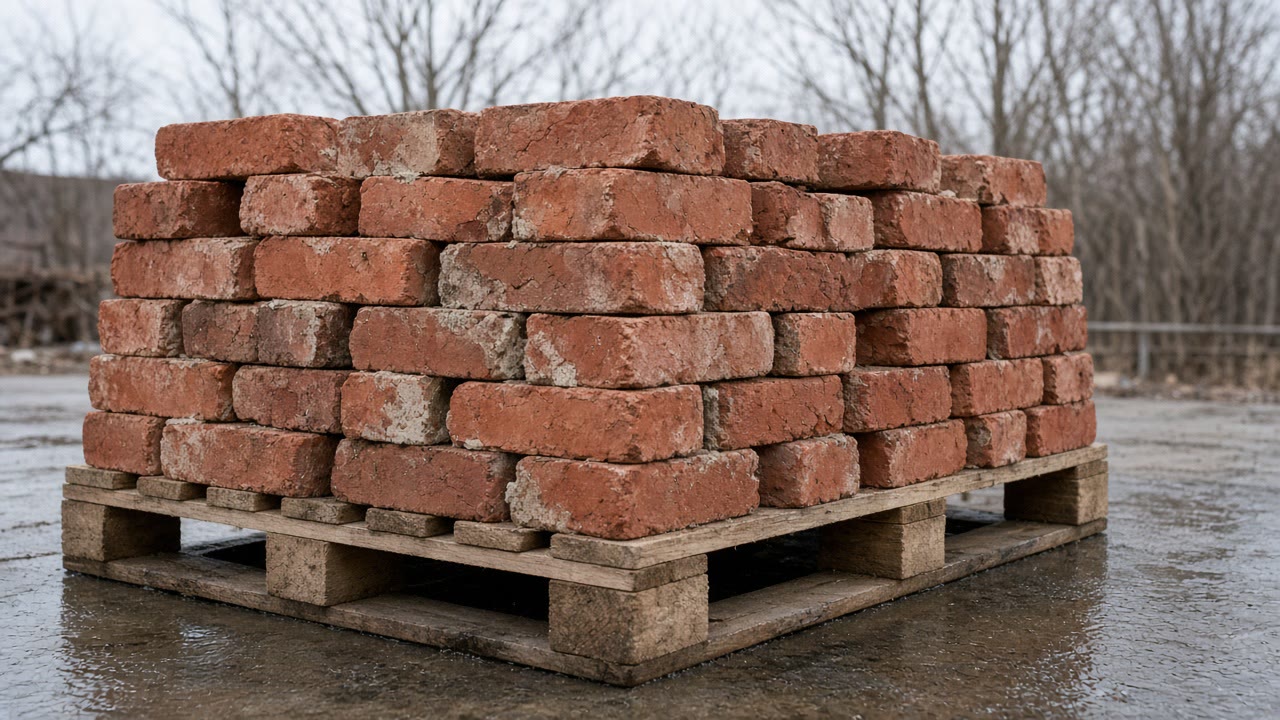
What repointing involves
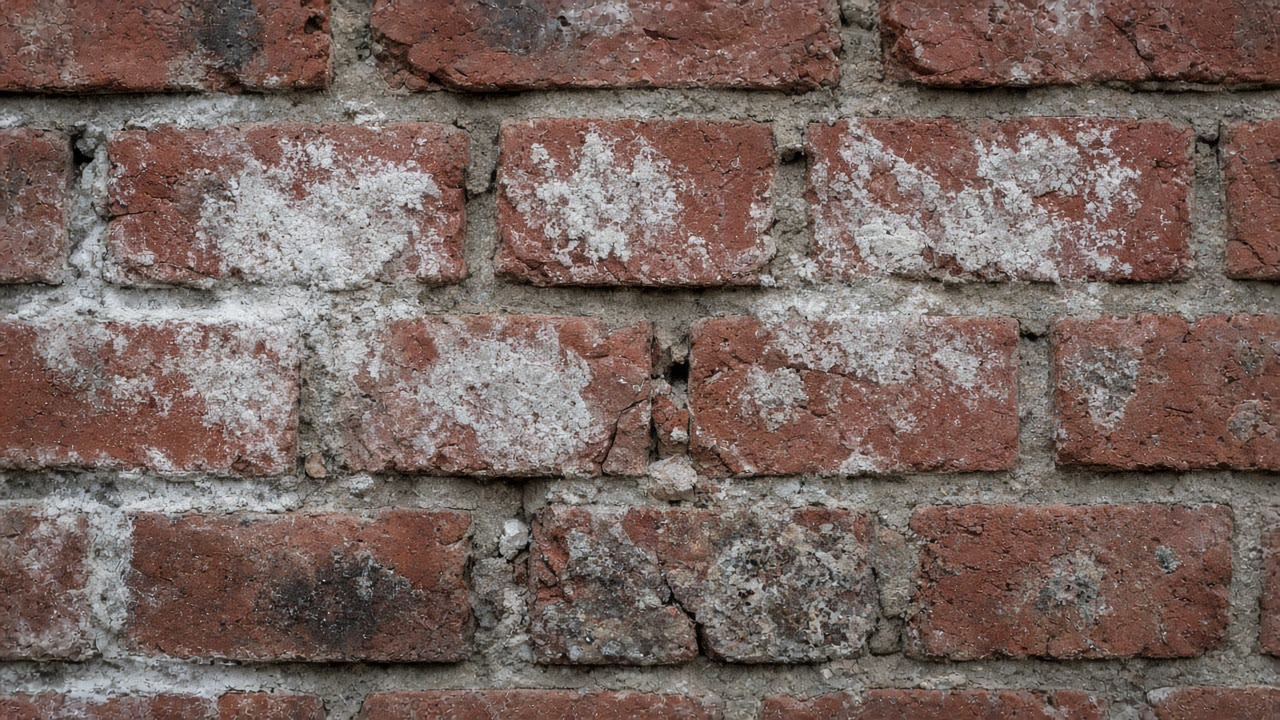

Count the holes before anyone fills the joints
You can inspect the important part yourself, from the sidewalk, in five minutes. The code requires weepholes in the outer wythe at a maximum of 33 inches on center, at least three sixteenths of an inch across, immediately above the flashing, plus extra ties around any opening greater than 16 inches. Look along the course over a window or a door, and along the course just above the foundation. Small open holes at roughly arm span spacing mean water that gets in has a way out. A continuous unbroken bed joint means it does not.
Weepholes are code, and they are countable
The residential code requires weepholes in the outside wythe at a maximum spacing of 33 inches on center, not less than three sixteenths of an inch in diameter, immediately above the flashing, and additional metal ties around openings greater than 16 inches in either dimension. You can verify the first one from your own driveway.
Deal with the cause, or the joints go again
The federal guidance states that it is erroneous to assume repointing alone will solve deficiencies caused by other problems, names leaking roofs and gutters and rising damp among the root causes, and says that without repairs to eliminate the source the deterioration continues and the repointing was a waste of time and money.
The county's newest housing stock
Clay has 26,282 units, the largest count of any town in the county, a median build year of 1978, just 3.2 percent built in 1939 or earlier and 16.0 percent before 1960. Both of those are the lowest figures in Onondaga County, and Radisson inside the town has a median of 1990.
Last in the county on both age measures, and what that leaves
Section R703.8.6 of the Residential Code of New York State requires weepholes in the outside wythe of masonry walls at a maximum spacing of 33 inches on center, not less than three sixteenths of an inch in diameter, located immediately above the flashing. Section R703.8.4.1.1 requires additional metal ties around wall openings greater than 16 inches in either dimension, spaced not more than three feet on center around the perimeter of the opening and placed within 12 inches of it.
Source: 2020 Residential Code of New York State, Section R703, Exterior Covering, via UpCodes, accessed 2026-09-10
Preservation Brief 2 states that the decision to repoint is most often related to an obvious sign of deterioration such as disintegrating mortar, cracks in mortar joints, loose bricks or stones, damp walls or damaged plasterwork, but that it is erroneous to assume repointing alone will solve deficiencies that result from other problems. It states that the root cause of the deterioration, naming leaking roofs or gutters, differential settlement, capillary action causing rising damp, and extreme weather exposure, should always be dealt with before beginning work, and that without appropriate repairs to eliminate the source of the problem mortar deterioration will continue and any repointing will have been a waste of time and money.
Source: National Park Service, Technical Preservation Services, Preservation Brief 2: Repointing Mortar Joints in Historic Masonry Buildings, by Robert C. Mack, FAIA, and John P. Speweik, 1998, accessed 2026-09-10
The Town of Clay has 26,282 housing units, the largest count of any town in Onondaga County, with a median year of construction of 1978. Only 3.2 percent were built in 1939 or earlier and only 16.0 percent in 1959 or earlier, the lowest figures in the county. The Radisson census place inside Clay has a median of 1990 and a pre-1940 share of 4.2 percent. The Town of Cicero has 13,584 units, a median of 1980, a pre-1940 share of 6.9 percent and a pre-1960 share of 26.6 percent.
Source: US Census Bureau, American Community Survey 2020-2024 5-year estimates, table B25034 Year Structure Built and table B25035 Median Year Structure Built, accessed 2026-09-10
Are there weepholes above your windows?
Look along that course and count. Then send the Clay address with what you found, holes or no holes.
Other Clay work on the same veneer wall
Repointing questions from Clay homeowners
Does a 1980s house in Clay ever need repointing?
Sometimes, and rather more often than the age of the house suggests. What fails first on a veneer of that era is not the field of the wall, it is the joints on the weather elevation, the joints under a sill and the joints where a gutter has been overflowing for years. The honest answer is that most Clay walls need a few square yards rather than an elevation, and anybody quoting a whole house here should be asked to explain what they found.
Our joints were repointed and now there is damp inside. Could those be connected?
It is worth checking the weepholes. The code puts them in the outer wythe at no more than 33 inches on center immediately above the flashing, and a repointing run that fills them takes away the route water uses to leave the wall. Look along the course above the windows and the course above the foundation for small open holes. If the bed joint is continuous and unbroken, that is worth raising with whoever did the work.
Get a Clay wall checked before the joints are filled
Open joints on one elevation, damp inside, a bed joint with no holes at all: describe it with the address, no obligation.