
Repointing in Marcellus: The Village Line Changes Nothing
Everywhere else around here, crossing a village line changes the mortar. In Marcellus it does not, which leaves the specification as the only variable.
Repointing quote in Marcellus
Share a few details so we can confirm coverage and arrange the right next step.
Would you rather talk it through? Call (315) 640-3590, answered 24/7.
$100 off your first job
Credited by us on your first booked job.
- One credit per customer per property, on your first booked job.
- Valid through December 31, 2026.
Mention this offer when you book. Full terms.
38.4 percent in the village, 31.8 in the town
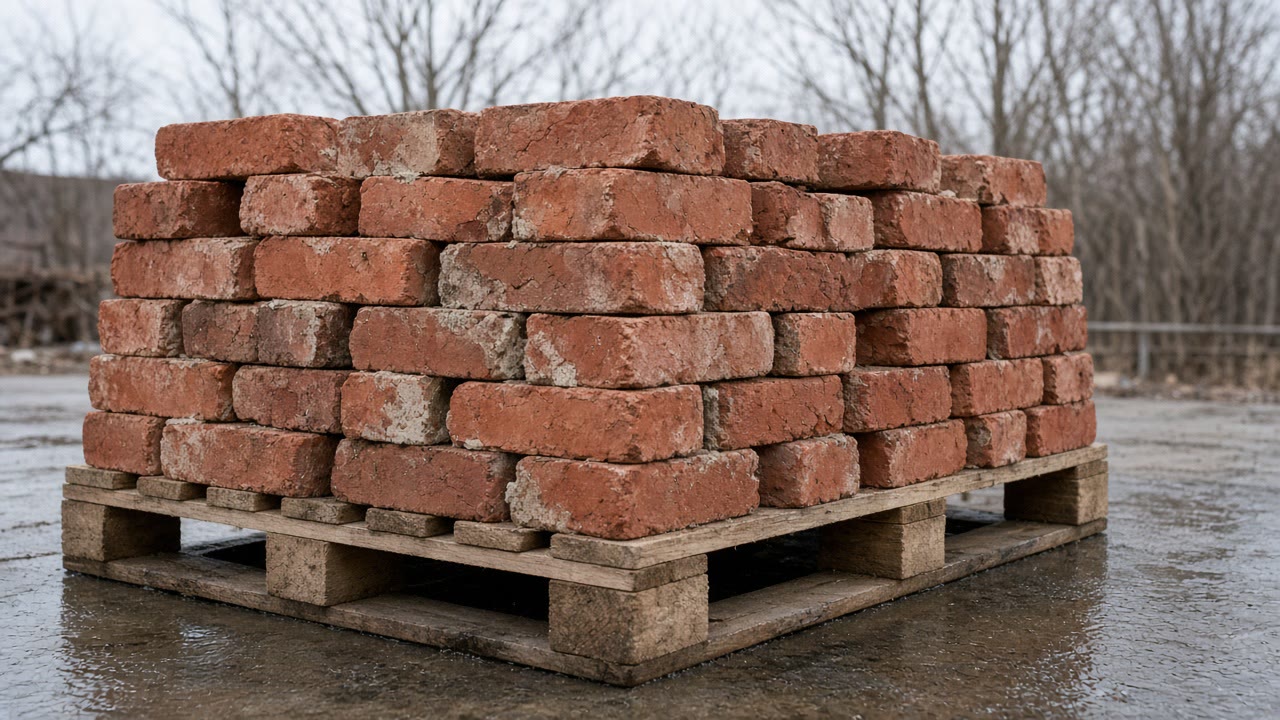
Preservation Brief 2 explains the mechanism. Stresses within a wall caused by expansion, contraction, moisture migration or settlement must be accommodated somewhere, and in a masonry wall those stresses should be relieved by the mortar rather than by the masonry units. A mortar that is stronger in compressive strength than the masonry units will not give, so the stresses are relieved through the masonry units instead, resulting in permanent damage such as cracking and spalling that cannot be repaired easily. The Brief adds that where stress instead breaks the bond between mortar and unit, letting water into the resulting hairline cracks, that is easier to correct in the joint by repointing than if the break occurs in the masonry units.
Source: National Park Service, Technical Preservation Services, Preservation Brief 2: Repointing Mortar Joints in Historic Masonry Buildings, by Robert C. Mack, FAIA, and John P. Speweik, 1998, accessed 2026-09-10
Baldwinsville village has 3,784 housing units with a median year of construction of 1975, a pre-1940 share of 20.6 percent and 17.3 percent built between 1940 and 1959, so 56.7 percent of the village predates 1980. Marcellus village has 1,031 units, a median of 1952, a pre-1940 share of 38.4 percent and 81.5 percent built before 1980, and the Town of Marcellus around it has 2,789 units, a median of 1963 and a pre-1940 share of 31.8 percent.
Source: US Census Bureau, American Community Survey 2020-2024 5-year estimates, table B25034 Year Structure Built and table B25035 Median Year Structure Built, accessed 2026-09-10
Ranked by the share of housing built in 1939 or earlier, the places of Onondaga County spread very widely: Skaneateles village 54.3 percent, East Syracuse village 54.0, Liverpool village 50.2, Solvay village 43.1, the City of Syracuse 43.1, Marcellus village 38.4, Skaneateles town 36.6, Camillus village 32.2, Marcellus town 31.8, Baldwinsville village 20.6, Fayetteville village 20.7, DeWitt town 18.7, North Syracuse village 14.9, Salina town 14.5, Manlius town 11.2, Cicero town 6.9, Camillus town 6.1 and Clay town 3.2.
Source: US Census Bureau, American Community Survey 2020-2024 5-year estimates, table B25034 Year Structure Built and table B25035 Median Year Structure Built, accessed 2026-09-10
Why one answer covers both sides of Marcellus
Everywhere else in this metro the village and the town sharing a name are the widest gap in the data. Camillus village is more than five times as prewar as its town. Liverpool village is more than three times the Town of Salina. Marcellus is the exception: the village is 38.4 percent pre-1940 on a median build year of 1952, and the town around it is 31.8 percent on a median of 1963, both well above the county's 22.6 percent. So the address still decides which counter issues the permit, and it does not change what the mortar has to be.
Where the stress goes, and who decides that
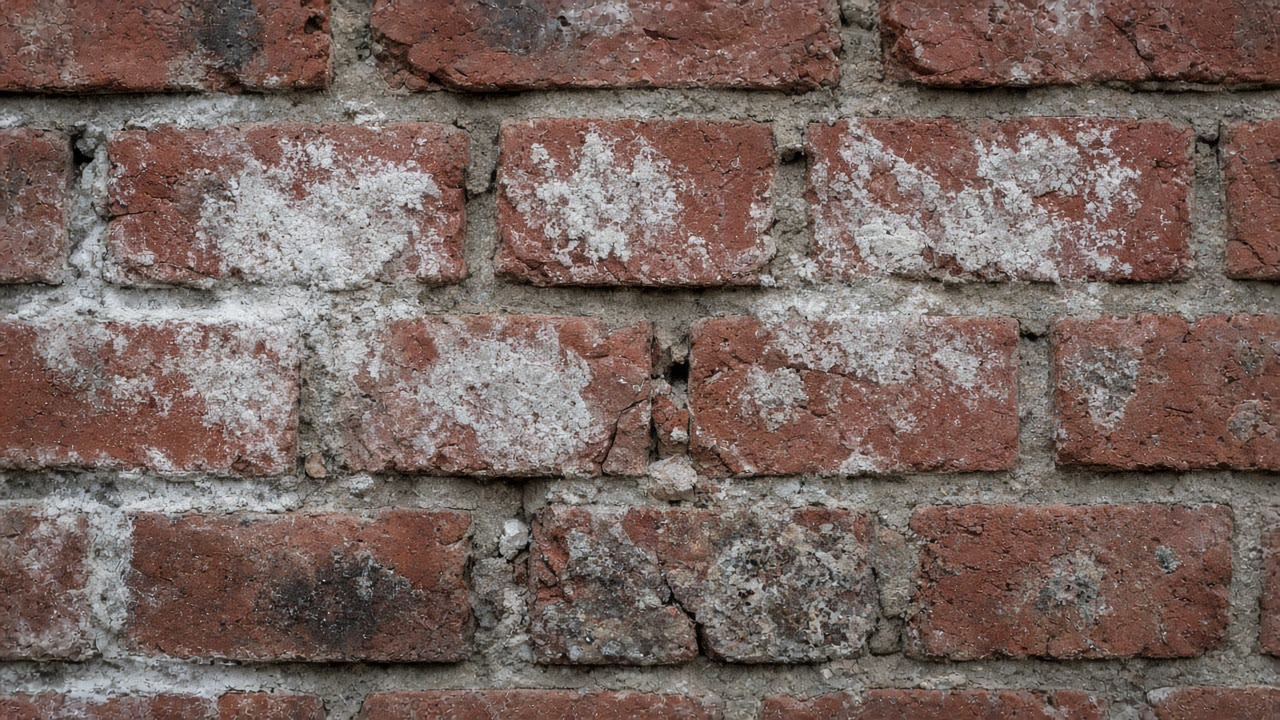
There is no boundary here to hide a wrong mix behind, which makes the specification the whole conversation. The federal guidance explains where it ends up: stresses from expansion, contraction, moisture migration and settlement have to be accommodated somewhere, and a mortar stronger in compressive strength than the masonry units will not give, so the stress is relieved through the units instead as cracking and spalling that cannot easily be repaired. Get it right and the wall fails in the joint, which can be raked out and refilled as often as it needs.
The joint is supposed to be the part that gives
The federal guidance says stresses within a wall should be relieved by the mortar rather than by the masonry units, and that a mortar stronger than the units will not give, so the stress is relieved through the units as permanent damage. It adds that a break in the joint is far easier to correct by repointing than a break in the brick.
Both sides of the line are old
Marcellus village has 1,031 units on a median build year of 1952 with a 38.4 percent prewar share and 81.5 percent built before 1980. The Town of Marcellus has 2,789 units, a median of 1963 and a 31.8 percent prewar share. The county figure is 22.6 percent, so both sit comfortably above it.
Marcellus on the county's prewar ranking
The village is sixth of eighteen places at 38.4 percent, between Marcellus town at 31.8 and Skaneateles town at 36.6, in a table that runs from 54.3 percent at Skaneateles village down to 3.2 percent at Clay. This is genuinely old brick country by county standards.
Village side, or town side?
Send the Marcellus address either way. The mortar answer holds across the line, which makes this straightforward to scope.
Repointing questions from Marcellus owners
Does it matter whether we are in the village or the town?
For the permit, yes. For the mortar, not much, and Marcellus is the only place around here where we can say that. The village is 38.4 percent pre-1940 and the town 31.8 percent, both well above the county's 22.6 percent, so the soft answer applies on either side of the line. What that means in practice is that the specification carries the whole job, because there is no boundary here to explain away a mix that turned out wrong.
What actually happens if the mortar is too strong for our brick?
The wall stops failing in the joint and starts failing in the brick. The guidance is explicit: stresses from expansion, contraction, moisture and settlement have to be relieved somewhere, and a mortar stronger than the units will not give, so the stress goes through the brick as cracking and spalling that cannot easily be repaired. Mortar can be replaced as often as a wall needs it. Brick cannot, and that is the whole argument for getting this right once.
Get a Marcellus mix named before work starts
Joints you can rake out by hand, faces flaking, a chimney losing its top: describe it with the address, no obligation.