
Steps, Caps and Wall Tops in Cicero Under the Snow
Every horizontal masonry surface you own collects 123.8 inches of snow a year, and what gets spread on it to clear it matters.
Retaining Walls and Steps quote in Cicero
Share a few details so we can confirm coverage and arrange the right next step.
Would you rather talk it through? Call (315) 640-3590, answered 24/7.
$100 off your first job
Credited by us on your first booked job.
- One credit per customer per property, on your first booked job.
- Valid through December 31, 2026.
Mention this offer when you book. Full terms.
What snow and de-icing do to Cicero's flat masonry
The masonry that fails first around a house is the flat material: treads, caps, coping, the top of a low wall. A normal Syracuse year brings 123.8 inches of snow, 92 of it between December and February, with 34.5 days carrying an inch or more and 13.4 days carrying three or more. All of that lands on horizontal surfaces and melts into them. In a town where the median house dates from 1980 the brick itself is usually sound, so the real question is what happens on the surfaces you walk on.
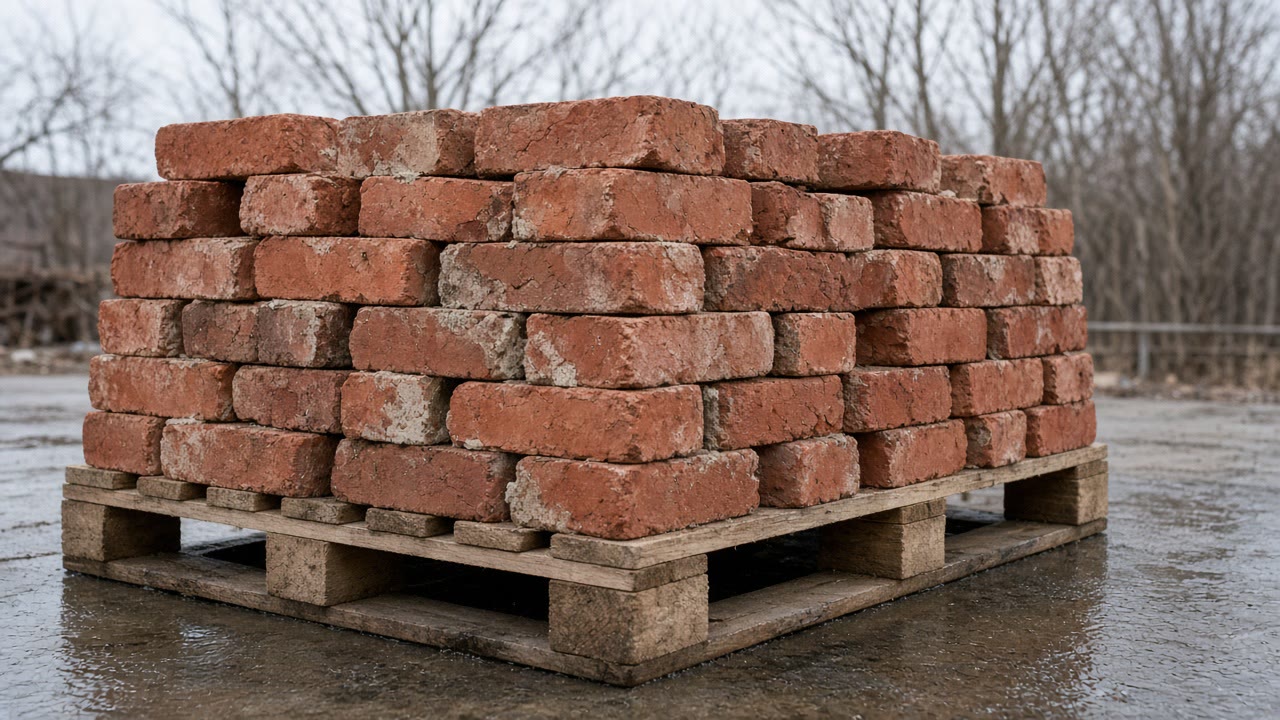
What retaining walls and steps involves
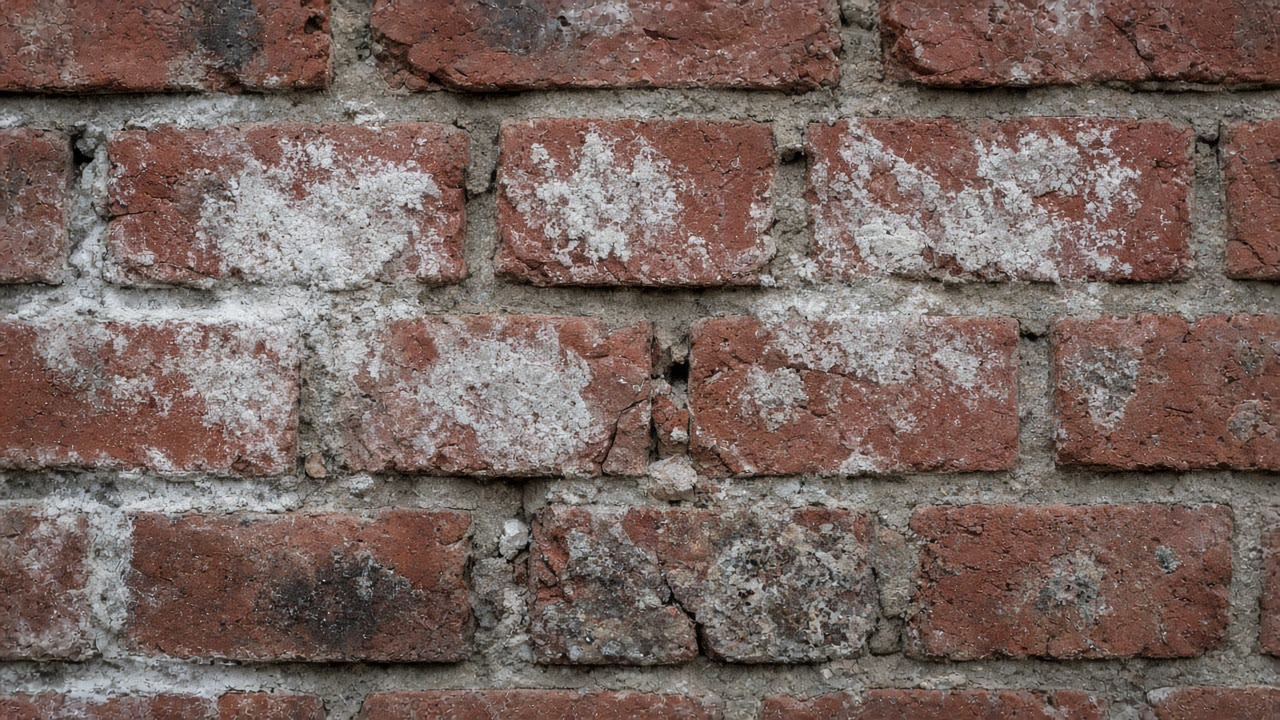

Slope, salt, and what the cap is doing
Three things to look at while the steps are clear. Whether every horizontal surface slopes enough to shed water rather than hold it, because standing water at the freezing point is what lifts a tread. What gets used to clear them, since salts carried into masonry are left behind as the water evaporates and crystallization below the surface creates pressure that spalls the face off. And whether the cap on a low wall throws water clear of the face or dribbles it down. None of those is a big job and all three decide how long the masonry lasts.
Snow sits on the flat parts and melts there
A normal year delivers 123.8 inches of snowfall, 92.0 inches of it from December to February and 21.9 from March to May, with 66.4 days carrying a tenth of an inch or more and 13.4 days carrying three inches or more. Horizontal masonry is where all of that comes to rest.
Salt crystallizing under the surface is what spalls it
When moisture evaporates from masonry it deposits soluble salts either on the surface as efflorescence or below it as subflorescence. Salts on the surface are usually relatively harmless. Salt crystallization within a unit creates pressure that can cause parts of the outer surface to spall off or delaminate.
A 1980 median means the material is rarely the fault
Cicero's 13,584 units have a median build year of 1980, the newest in the county, with only 6.9 percent built before 1940. On stock that young, treads and caps that are breaking up are telling you about slope, drainage and de-icing rather than about the age of the masonry.
123.8 inches a year, and where it comes to rest
Syracuse's normal annual snowfall is 123.8 inches under the 1991 to 2020 normals, made up of 9.9 inches from September to November, 92.0 inches from December to February and 21.9 inches from March to May. A normal year brings 66.4 days with a tenth of an inch or more of snowfall, 34.5 days with an inch or more, 13.4 days with three inches or more and 1.1 days with ten inches or more.
Source: NOAA National Centers for Environmental Information, 1991-2020 US Climate Normals, station USW00014771 Syracuse Hancock International Airport, accessed 2026-09-10
Preservation Brief 2 sets out the second route to damage, which is moisture rather than stress. Historically mortar acted as a bedding material, not unlike an expansion joint, rather than as a glue, and moisture was able to migrate out through the mortar joints rather than through the masonry units. High lime mortars are more permeable than denser cement mortars. When moisture evaporates from masonry it deposits soluble salts either on the surface as efflorescence or below the surface as subflorescence. Salts left on the surface are usually relatively harmless, but salt crystallization within a masonry unit creates pressure that can cause parts of the outer surface to spall off or delaminate. The Brief concludes that if the mortar does not permit moisture or moisture vapor to migrate out of the wall and evaporate, the result will be damage to the masonry units.
Source: National Park Service, Technical Preservation Services, Preservation Brief 2: Repointing Mortar Joints in Historic Masonry Buildings, by Robert C. Mack, FAIA, and John P. Speweik, 1998, accessed 2026-09-10
The Town of Clay has 26,282 housing units, the largest count of any town in Onondaga County, with a median year of construction of 1978. Only 3.2 percent were built in 1939 or earlier and only 16.0 percent in 1959 or earlier, the lowest figures in the county. The Radisson census place inside Clay has a median of 1990 and a pre-1940 share of 4.2 percent. The Town of Cicero has 13,584 units, a median of 1980, a pre-1940 share of 6.9 percent and a pre-1960 share of 26.6 percent.
Source: US Census Bureau, American Community Survey 2020-2024 5-year estimates, table B25034 Year Structure Built and table B25035 Median Year Structure Built, accessed 2026-09-10
Does water stand on the steps, or run off?
Watch them after rain, then send the Cicero address and say which. Standing water is usually the whole story.
Other Cicero masonry at ground level
Steps and caps: what Cicero owners ask
The faces are coming off our front steps. Is it the salt?
Often part of it. Salts carried into masonry get left behind as the water evaporates, either on the surface as a white bloom or below the surface, and crystallization inside a unit creates pressure that can spall or delaminate the outer face. Combine that with water standing on a tread that has lost its slope and you have the mechanism. The fix is the slope, the drainage and what you spread, and then replacing the units that have actually gone.
Is a white bloom on our brick steps a problem?
On its own, usually not. Salts left on the surface as efflorescence are described as relatively harmless and they brush or wash off. What matters is what the bloom is telling you, which is that water is moving through the masonry and evaporating out of the face. The version that does damage is the same process happening below the surface, and that shows up as the face flaking away rather than as a powder you can wipe off.
Get Cicero steps and caps looked at before winter
Faces flaking off treads, a cap shedding water down the wall, a tread that has tipped: describe it with the address, no obligation.