
Block Foundations, Piers and Steps in North Syracuse
On a 1950s house the foundation is usually block with a parge coat, and the parge coat is not holding anything up.
Retaining Walls and Steps quote in North Syracuse
Share a few details so we can confirm coverage and arrange the right next step.
Would you rather talk it through? Call (315) 640-3590, answered 24/7.
$100 off your first job
Credited by us on your first booked job.
- One credit per customer per property, on your first booked job.
- Valid through December 31, 2026.
Mention this offer when you book. Full terms.
What a failing parge coat in North Syracuse means
The commonest ground level call on a postwar village house is a parge coat coming away from a block foundation, and the first useful thing to say is that the coating is a finish rather than structure. What matters is why it let go, and that is nearly always water arriving at the bottom of the wall. The code puts flashing beneath the first course of masonry above finished ground level for exactly that reason. With a village median of 1959, most of these walls are block, most of them are parged, and most of them are fixable without drama.
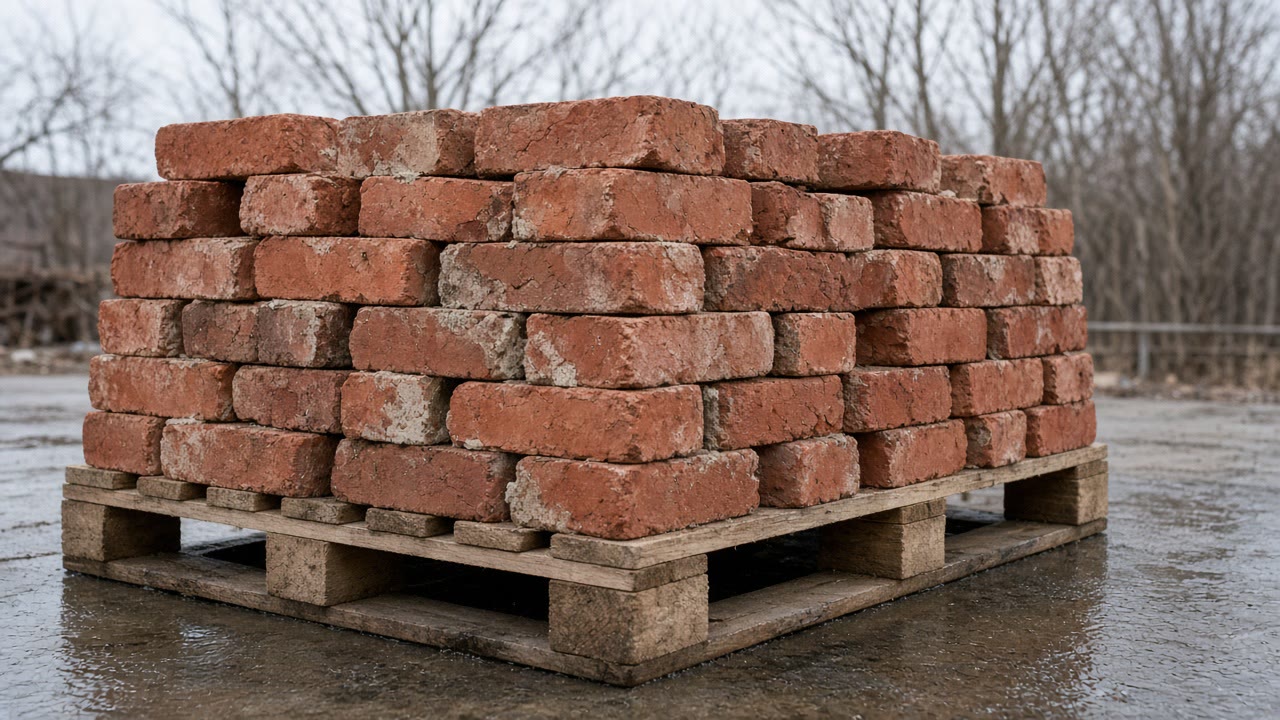
What retaining walls and steps involves
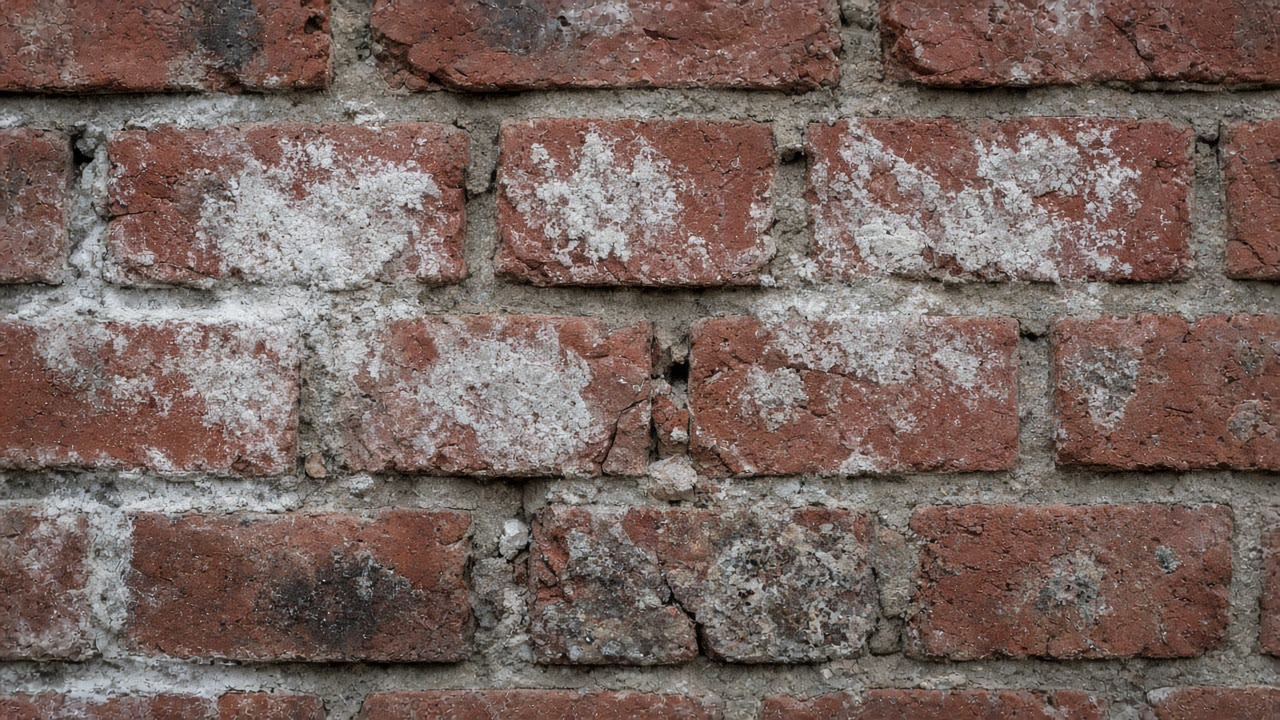

Coating, course, or the ground itself
Work upward from the ground. Is soil, mulch or paving sitting against the wall above the point where water is meant to leave it, because that is the cheapest thing on this list to change. Is the coating failing in a band at one consistent height, which usually means splash off a hard surface or a downspout with no extension. Or is the block itself breaking down, which is the only one of the three that is really masonry work. Syracuse crosses freezing in both directions about 84 days a year, so whatever is wet in the afternoon is working on the wall overnight.
The first course above the ground is a drainage line
The code requires flashing beneath the first course of masonry above finished ground level above the foundation wall or slab, and at other points of support including shelf angles and lintels, plus corrosion resistant flashing under and at the ends of masonry sills and copings. Burying that line is how water gets trapped.
84 crossings a year, and they act at ground level
The normals record 129.5 days a year with a minimum at or below freezing but only 45.7 that never rise above it, which leaves roughly 84 days of crossing the line in both directions. Ground level masonry is the wettest part of the house when those crossings happen.
A 1959 village is a block foundation village
North Syracuse has 3,072 units with a median build year of 1959 and 38.5 percent built between 1940 and 1959. That era means concrete block foundations, often parged, rather than the rubble stone of the old villages, and block behaves differently when it gets wet.
Why the bottom course decides a block wall's life
Section R703.8.5 of the Residential Code of New York State requires that flashing be located beneath the first course of masonry above finished ground level above the foundation wall or slab, and at other points of support including structural floors, shelf angles and lintels, where masonry veneers are designed in accordance with Section R703.8. Section R703.4 additionally requires approved corrosion-resistant flashing, applied shingle fashion to prevent water entering the wall cavity or reaching the structural framing, at exterior window and door openings, at the intersection of chimneys or other masonry construction with frame or stucco walls, under and at the ends of masonry, wood or metal copings and sills, at wall and roof intersections and at built-in gutters.
Source: 2020 Residential Code of New York State, Section R703, Exterior Covering, via UpCodes, accessed 2026-09-10
Under the 1991 to 2020 climate normals for Syracuse, the daily minimum temperature falls to 32 degrees Fahrenheit or below on 129.5 days of a normal year, but the daily maximum stays below 32 degrees on only 45.7 days. The difference, about 84 days a year, is days on which the temperature crosses freezing in both directions rather than staying below it.
Source: NOAA National Centers for Environmental Information, 1991-2020 US Climate Normals, station USW00014771 Syracuse Hancock International Airport, accessed 2026-09-10
The Town of Salina has 16,016 housing units with a median year of construction of 1960: 14.5 percent built in 1939 or earlier, 9.8 percent in the 1940s, 25.2 percent in the 1950s and 12.6 percent in the 1960s, so 35.0 percent of the town was built in the two decades from 1940 to 1959. North Syracuse village has 3,072 units with a median of 1959, 14.9 percent pre-1940, and 38.5 percent built between 1940 and 1959. Within Salina the census places of Galeville and Mattydale reach 60.7 percent and 54.6 percent for the same 1940 to 1959 window.
Source: US Census Bureau, American Community Survey 2020-2024 5-year estimates, table B25034 Year Structure Built and table B25035 Median Year Structure Built, accessed 2026-09-10
How high does the soil come up the wall?
Send the North Syracuse address with a photograph taken low, showing the ground and the bottom course together.
Other North Syracuse masonry at ground level
Foundation and step questions from North Syracuse
The coating on our foundation is falling off in sheets. Is the foundation failing?
Usually not. A parge coat is a finish over block, and when it comes away in sheets it is because water has been getting behind it rather than because the wall underneath has gone. The repair is to take off what has let go, deal with whatever is putting water there, and recoat. What would change that answer is block that is crumbling, cracked in a stair pattern or bowing inward, and those are worth photographing from a low angle so the line of the wall shows.
Should I bank soil up against the foundation to keep water out?
The opposite. The code puts flashing beneath the first course of masonry above finished ground level, and burying that line means water inside the wall has nowhere to leave. Soil, mulch and paving piled against a foundation is one of the commonest causes of the damage people then pay a mason to repair. Get the grade falling away from the house, keep the bottom course visible, and then see what is actually left to fix.
Get a North Syracuse foundation read from the ground up
A parge coat letting go, block breaking down, a porch pier out of plumb: describe it with the address, no obligation.