
Retaining Walls, Stoops and Steps Across Clay
In a town of 26,282 mostly modern homes a retaining wall is a product as much as a build, and the specification is what you are buying.
Retaining Walls and Steps quote in Clay
Share a few details so we can confirm coverage and arrange the right next step.
Would you rather talk it through? Call (315) 640-3590, answered 24/7.
$100 off your first job
Credited by us on your first booked job.
- One credit per customer per property, on your first booked job.
- Valid through December 31, 2026.
Mention this offer when you book. Full terms.
What you are actually buying in a Clay wall
Clay is the largest town in the county by housing count, 26,282 units, with a median build year of 1978 and Radisson inside it at 1990. So most ground level masonry here is comparatively young, and when it fails it is rarely the material: it is the drainage behind it, the base under it, or the cap on top of it. All three are invisible in a finished wall and all three are what a cheap number leaves out. New York requires a written contract describing the work and the materials, and this is the job where that description earns its keep.
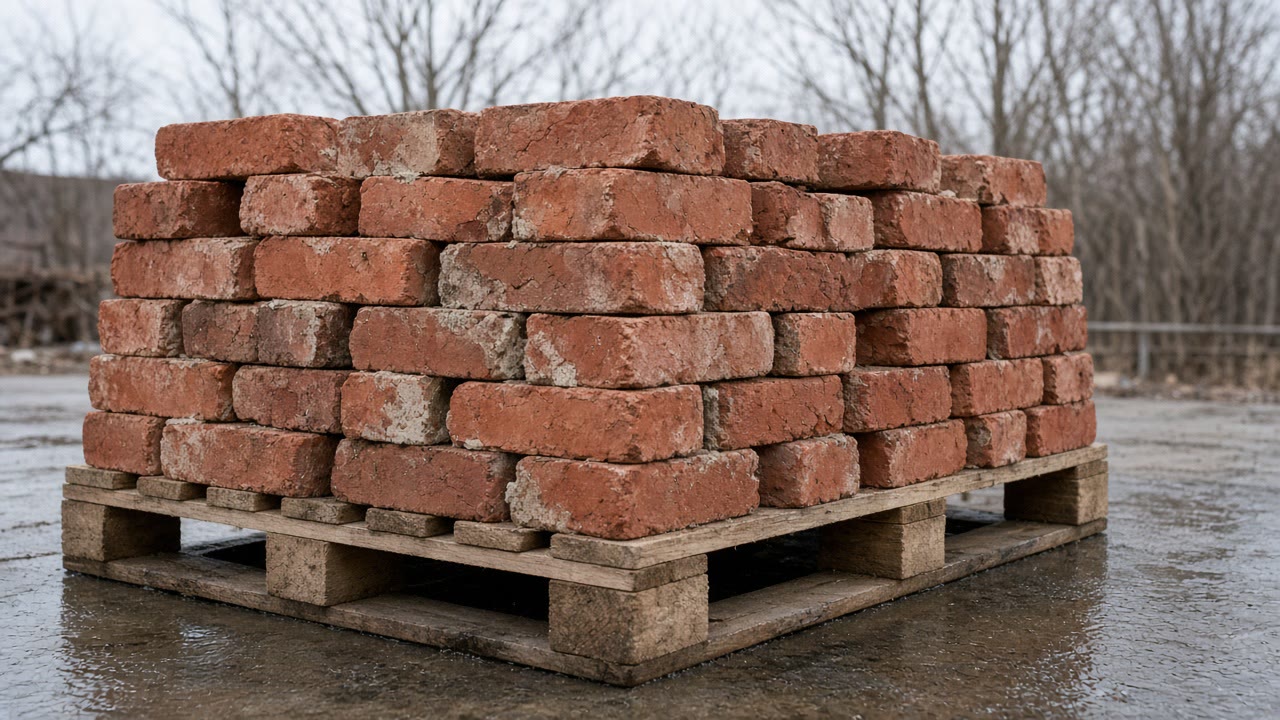
What retaining walls and steps involves
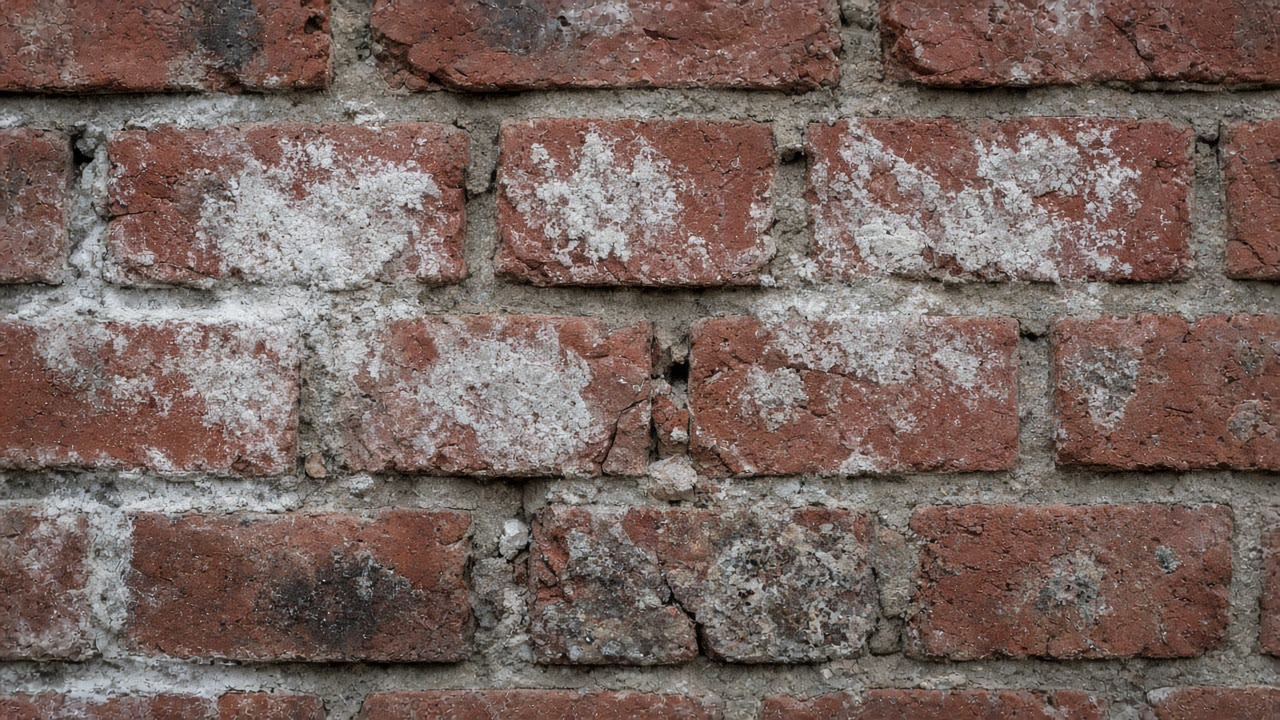

Base, drainage, cap, and who wrote it down
Four things decide whether a Clay wall is still straight in fifteen years, and you can ask about every one before you sign. What the base is and how deep it goes, given 57.5 nights a year at 20 degrees or below and 7.1 at or under zero. What goes behind the wall so water can leave rather than push. What the cap does with the water that lands on it. And whether all three are written into the contract, which state law requires to describe the work and the materials including identifying information, with dates and a payment schedule.
There is plenty of frost here to test it
The normals record 57.5 days a year with a minimum of 20 degrees or below and 7.1 at or under zero, against 38.47 inches of annual precipitation falling on 89.7 days. A wall that holds water and then freezes has both halves of what it needs to fail, every single year.
The contract is where the hidden half lives
State law requires a signed writing with a description of the work and the materials to be provided including make, model number or other identifying information, the agreed price, approximate start and substantial completion dates with contingencies, a progress payment schedule where applicable, the lien and escrow notices and a three day cancellation right.
The newest and largest housing stock in the county
Clay's 26,282 units are the most of any town in Onondaga County, on a median build year of 1978, with only 3.2 percent built before 1940. A wall that has failed on stock that young is telling you about how it was built, not about how old it is.
26,282 homes, a 1978 median, and 57.5 nights at 20 degrees
The Syracuse normals record 57.5 days a year with a minimum temperature of 20 degrees Fahrenheit or below and 7.1 days at or below zero, against a normal annual mean temperature of 48.3 degrees. Normal annual precipitation is 38.47 inches, falling as a tenth of an inch or more on 89.7 days of the year.
Source: NOAA National Centers for Environmental Information, 1991-2020 US Climate Normals, station USW00014771 Syracuse Hancock International Airport, accessed 2026-09-10
New York General Business Law section 771, part of Article 36-A on home improvement contracts, requires every home improvement contract to be evidenced by a writing signed by all the parties. The writing must contain the contractor's name, address, telephone number and license number if applicable; the approximate or estimated dates when the work will begin and be substantially completed, including a statement of any contingencies; a description of the work to be performed and the materials to be provided to the owner, including make, model number or any other identifying information, together with the agreed consideration for the work and materials; a notice that any contractor or materialman who is not paid may file a mechanic's lien against the property; a notice that the contractor must deposit payments received before completion in escrow or alternatively post a bond or letter of credit; a schedule of progress payments against stages of completion where applicable; a notice that the owner may cancel the contract until midnight of the third business day after signing; and a disclosure of the contractor's property and casualty insurance coverage with the insurer's contact information.
Source: New York General Business Law section 771, via the New York State Senate, accessed 2026-09-10
The Town of Clay has 26,282 housing units, the largest count of any town in Onondaga County, with a median year of construction of 1978. Only 3.2 percent were built in 1939 or earlier and only 16.0 percent in 1959 or earlier, the lowest figures in the county. The Radisson census place inside Clay has a median of 1990 and a pre-1940 share of 4.2 percent. The Town of Cicero has 13,584 units, a median of 1980, a pre-1940 share of 6.9 percent and a pre-1960 share of 26.6 percent.
Source: US Census Bureau, American Community Survey 2020-2024 5-year estimates, table B25034 Year Structure Built and table B25035 Median Year Structure Built, accessed 2026-09-10
How old is the wall, and is it draining?
Send the Clay address with the age if you know it. A young wall leaning is a design question, not a materials one.
Other Clay masonry outside the house
Wall and step questions from Clay homeowners
Our block retaining wall is only fifteen years old and it is leaning. Why?
Almost always what is behind it rather than what it is made of. A wall that cannot drain takes the full pressure of saturated soil, and in a climate delivering 38.47 inches of precipitation on 89.7 days a year that pressure arrives regularly. The rebuild has to deal with the backfill and the water, and a quote that only describes the wall face is quoting half the job. Photograph the wall along its length so the lean is visible against something straight.
What should a Clay wall contract actually list?
The work and the materials with identifying information, the approximate start and substantial completion dates with any contingencies, the agreed price, a progress payment schedule against stages where there are stages, the mechanic's lien notice, the escrow or bond notice, your right to cancel until midnight of the third business day after signing, and the contractor's property and casualty insurance with the insurer's contact details. That is state law rather than a wish list.
Get a Clay wall quoted with its hidden half
A wall leaning, steps settling, a stoop separating from the house: describe it with the address, no obligation.