
Failed Brick in Clay Is Rare, and Usually Local
3.2 percent of Clay predates 1940, the lowest in the county, so wholesale spalling is not what happens to these walls.
Brick Replacement quote in Clay
Share a few details so we can confirm coverage and arrange the right next step.
Would you rather talk it through? Call (315) 640-3590, answered 24/7.
$100 off your first job
Credited by us on your first booked job.
- One credit per customer per property, on your first booked job.
- Valid through December 31, 2026.
Mention this offer when you book. Full terms.
3.2 percent prewar, and what that rules out
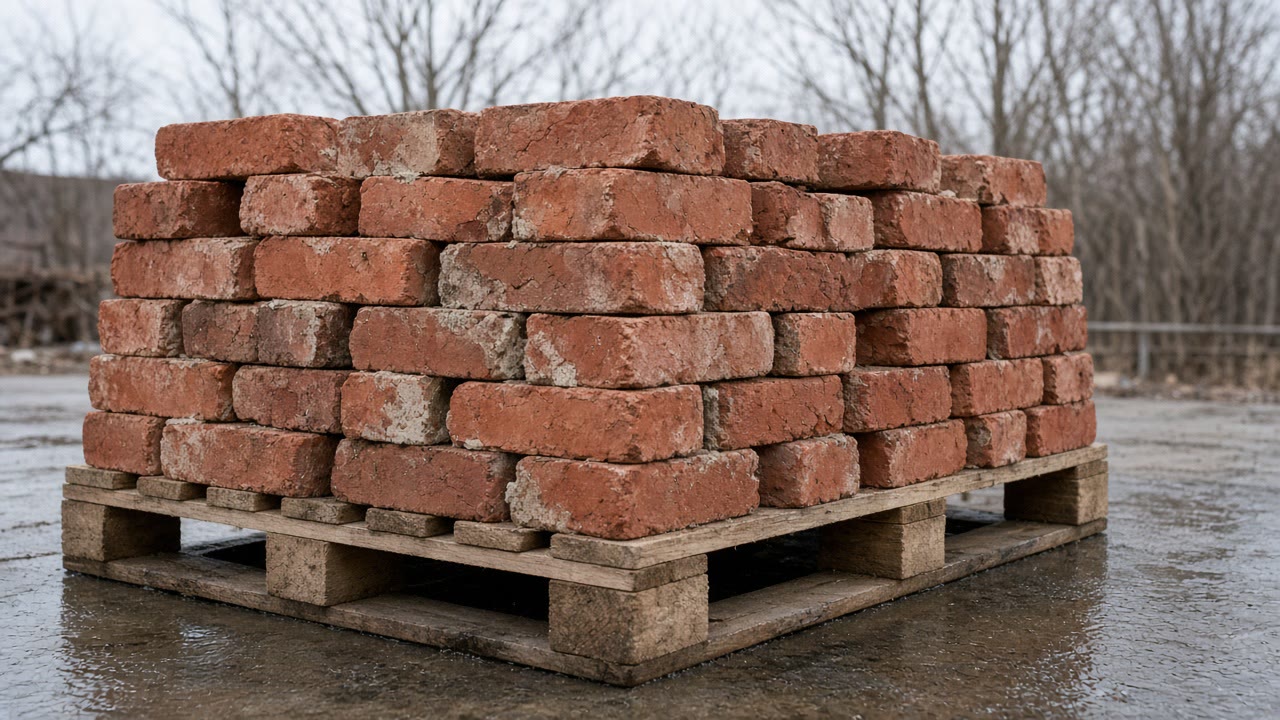
Ranked by the share of housing built in 1939 or earlier, the places of Onondaga County spread very widely: Skaneateles village 54.3 percent, East Syracuse village 54.0, Liverpool village 50.2, Solvay village 43.1, the City of Syracuse 43.1, Marcellus village 38.4, Skaneateles town 36.6, Camillus village 32.2, Marcellus town 31.8, Baldwinsville village 20.6, Fayetteville village 20.7, DeWitt town 18.7, North Syracuse village 14.9, Salina town 14.5, Manlius town 11.2, Cicero town 6.9, Camillus town 6.1 and Clay town 3.2.
Source: US Census Bureau, American Community Survey 2020-2024 5-year estimates, table B25034 Year Structure Built and table B25035 Median Year Structure Built, accessed 2026-09-10
The Town of Clay has 26,282 housing units, the largest count of any town in Onondaga County, with a median year of construction of 1978. Only 3.2 percent were built in 1939 or earlier and only 16.0 percent in 1959 or earlier, the lowest figures in the county. The Radisson census place inside Clay has a median of 1990 and a pre-1940 share of 4.2 percent. The Town of Cicero has 13,584 units, a median of 1980, a pre-1940 share of 6.9 percent and a pre-1960 share of 26.6 percent.
Source: US Census Bureau, American Community Survey 2020-2024 5-year estimates, table B25034 Year Structure Built and table B25035 Median Year Structure Built, accessed 2026-09-10
Why Clay does not get a brick replacement page
This pairing does not earn a full page in Clay and we would rather say so than write one. Only 3.2 percent of the town's 26,282 homes were built in 1939 or earlier, the lowest pre-1940 share in Onondaga County, and the soft historic brick that a hard mortar destroys is essentially absent here. Where units do fail on a modern Clay veneer it is local, and it has a cause you can usually see: a sill pouring water into two courses, a downspout discharging against the wall, or a snow bank sitting against the brick all winter.
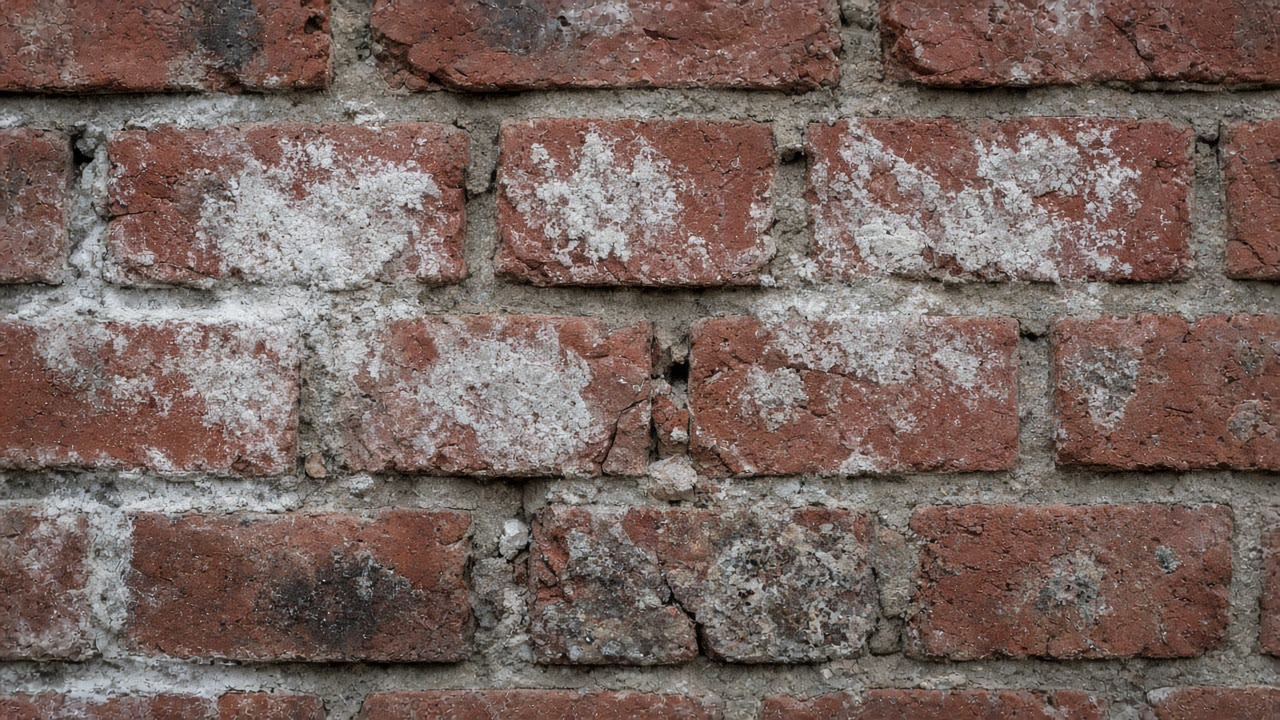
Find the water, then count the units
On a wall this young, failed brick is a symptom with a short list of causes. Water arriving from above in one place, which is a gutter or a sill. Water arriving from below, which is grade or splash. Or a wall that cannot drain because the weepholes are missing or filled. Deal with the source and the replacement is a handful of units rather than an elevation. Anybody proposing large scale brick replacement on a house from the late 1970s should be asked, politely and directly, what they believe caused it.
The mechanism needs old brick, and Clay has little
On the county's prewar ranking Clay is last at 3.2 percent, against Skaneateles village at 54.3 and East Syracuse at 54.0. Spalling driven by a mortar harder than the brick needs soft old units to act on, and that is a rare condition in this town rather than the normal one.
A local failure has a local cause
Clay has 26,282 units on a median build year of 1978, with Radisson at 1990. On stock that young, a patch of failed brick is almost always downstream of something specific: a sill, a gutter, a grade or a blocked drainage path. Find that first and the brick bill gets much smaller.
What is directly above the failed brick?
A sill, a gutter, a valley, a roof edge: say which, with the Clay address. That is usually the cause.
The Clay masonry worth looking at instead
Failed brick: what Clay owners should ask
A few bricks under our window sill are crumbling. Is the wall failing?
Almost certainly not. That pattern is a sill problem showing up in the brick: a sill that has lost its slope, or lost the flashing under it, pours water into the same two courses every time it rains. On a Clay house the wall around it is usually sound, so the work is the sill and then the handful of units below it. Photograph the sill and the courses beneath it in one frame rather than close up on the brick.
Should I worry about spalling brick on a 1990s Clay house?
Not as a general risk, no. The spalling this site warns about needs soft old brick and a mortar harder than it, and only 3.2 percent of Clay was built before 1940 while Radisson inside the town has a median build year of 1990. If faces are coming off a wall that young, something specific is putting water into that spot, and finding it is worth more than a quote for replacement units.
Get a Clay wall diagnosed before units are ordered
Crumbling units under a sill, faces coming off one patch: describe it with the address and we will tell you what is feeding it.