
Replacing Failed Brick and Stone in Liverpool Village
Taking a failed area of wall down and rebuilding it counts as partial demolition here, which puts a survey in front of the trowel.
Brick Replacement quote in Liverpool
Share a few details so we can confirm coverage and arrange the right next step.
Would you rather talk it through? Call (315) 640-3590, answered 24/7.
$100 off your first job
Credited by us on your first booked job.
- One credit per customer per property, on your first booked job.
- Valid through December 31, 2026.
Mention this offer when you book. Full terms.
How much wall comes out, and what goes back in
Settle the extent first and the rest follows. A dozen units replaced on a sound wall is a day of work and a repair. A gable rebuilt is a different animal with a survey, a permit and a calendar attached to it. Then settle the bedding, because the trade off is the one that governs every old wall here: a mortar strong in compression suits a hard stone pier under a bridge deck, and a softer, more permeable lime mortar suits a wall of soft brick. Liverpool's walls are the second case, and new units bedded in the first kind fail on the same schedule the old ones did.
Extent decides whether this is demolition
Liverpool requires an asbestos survey before it issues a permit for demolition work, and it defines that to include preparation for remodeling. A few units out of a sound wall is not that. An area taken down to a bearing course is, so the question to answer first is square footage rather than price.
Soft brick wants the soft mix, not the strong one
The federal guidance makes the trade off explicit: more portland cement gives a harder mortar, more lime a softer and more workable one, and while high compressive strength suits a granite pier, a softer more permeable lime mortar is preferable for a historic wall of soft brick. In a wall with a high vapor transmission rate, the soft mix is necessary rather than optional.
There is no district standard here, only your specification
The National Register records individual listings rather than a district in this village, the Lucius Gleason House among them, so no district wide standard applies to an ordinary Liverpool house. What replaces it is the specification you agree, which is exactly why it belongs in writing.
The village permit threshold, and what the Register lists here
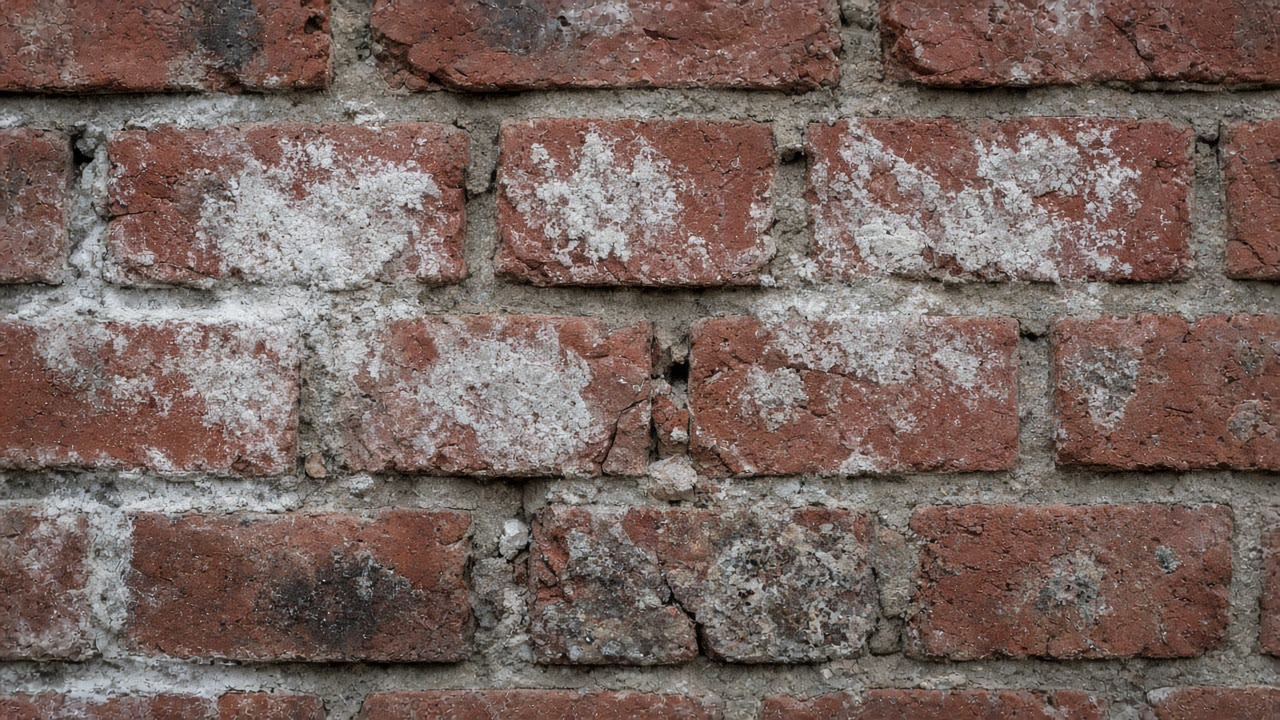
The Village of Liverpool states that before it will issue a permit for demolition work, including preparation for remodeling, the individual or entity requesting the permit must provide an asbestos survey, and that the only exception is projects in owner-occupied single family dwellings where the owner performs the work.
Source: Village of Liverpool, New York, Building Safety and Code Enforcement, accessed 2026-09-10
Preservation Brief 2 makes the trade-off explicit. If mixed with higher amounts of portland cement a harder mortar is obtained, and the more lime that is added the softer and more plastic the mortar becomes, increasing its workability. A mortar strong in compressive strength might be desirable for a hard stone such as granite in a pier holding up a bridge deck, whereas a softer, more permeable lime mortar would be preferable for a historic wall of soft brick. The Brief adds that masonry deterioration caused by salt deposition results when the mortar is less permeable than the masonry unit, and that in a wall of soft bricks with a relatively high vapor transmission rate a soft high lime mortar is necessary to retain sufficient permeability.
Source: National Park Service, Technical Preservation Services, Preservation Brief 2: Repointing Mortar Joints in Historic Masonry Buildings, by Robert C. Mack, FAIA, and John P. Speweik, 1998, accessed 2026-09-10
The same National Park Service records list village historic districts across the metro: the Skaneateles Historic District with 59 contributing buildings, the Manlius Village Historic District with 50, the Genesee Street Hill and Limestone Plaza Historic District in Fayetteville with 40, and the Oswego-Oneida Streets Historic District in Baldwinsville with 32. Individual listings outside districts include the Lucius Gleason House in Liverpool, the Solvay Public Library, the Dan Bradley House and the Tefft-Steadman House in Marcellus, five listings at Camillus including the Wilcox Octagon House and the Camillus Union Free School, and the Stone Arabia School in Cicero.
Source: National Park Service, Cultural Resources geospatial data, National Register of Historic Places points and polygons map service, queried for Onondaga County, New York, accessed 2026-09-10
What brick replacement involves
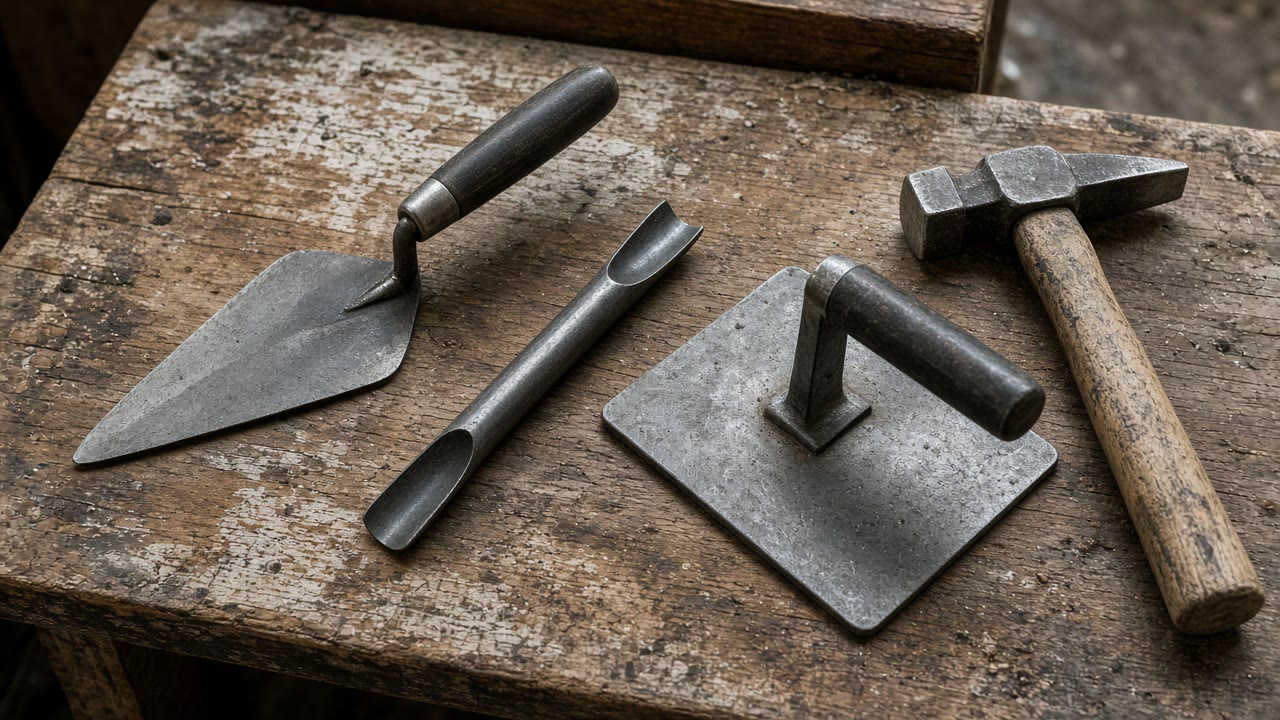
When brick replacement becomes demolition in Liverpool
There is a threshold in this village that changes the shape of a brick replacement job, and it is worth finding before you collect prices. Cutting out a handful of spalled units is a repair. Taking a failed area of wall down to a bearing course and rebuilding it is removal of a portion of a structure, and Liverpool will not issue a permit for demolition work, which its page defines to include preparation for remodeling, without an asbestos survey in hand. So the useful conversation starts with how much wall is actually coming out, because that answer decides whether you are booking a mason or starting a sequence.
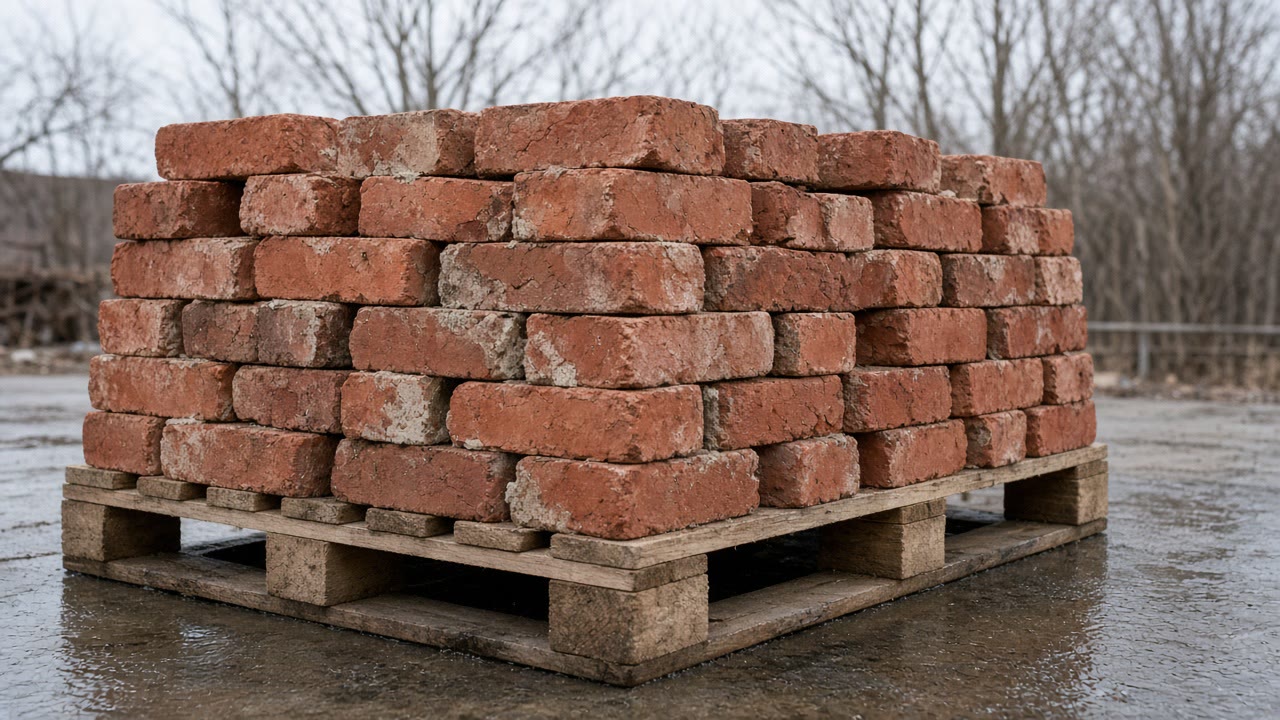
How much wall is actually coming out?
Send the Liverpool address with a photograph of the failed area. The extent decides whether a survey belongs in the plan.
Brick replacement questions from Liverpool
Does replacing a few bricks need a permit in Liverpool?
A handful of units on an otherwise sound wall usually reads as a repair, and taking an area of wall down does not. The village's own language covers the alteration, improvement, removal or demolition of any portion of a building, so the line is about extent rather than the word on the invoice. Tell the Code Official what is actually coming out and you get a straight answer. Describe it vaguely as brickwork and you get a cautious one.
Is the brick in Liverpool village still available?
Not as a current product. Half the village predates 1940 and those units were made in sizes and clays that are no longer in production, so a match comes from salvage, from the closest modern unit, or from turning sound brick already on the house. On a street elevation we would normally take salvage off a rear wall and put the modern unit where nobody stands. That is a decision worth making with you rather than for you.
Get a Liverpool wall scoped before it is opened
Spalled faces, loose units, an area of wall starting to bulge: describe it with the address, no obligation.