
Repointing in East Syracuse: Site Mixed or Out of a Bag
One question tells you most of what you need: is the mortar mixed on site to a named type, or poured out of a premix bag.
Repointing quote in East Syracuse
Share a few details so we can confirm coverage and arrange the right next step.
Would you rather talk it through? Call (315) 640-3590, answered 24/7.
$100 off your first job
Credited by us on your first booked job.
- One credit per customer per property, on your first booked job.
- Valid through December 31, 2026.
Mention this offer when you book. Full terms.
The county's oldest housing, street after street
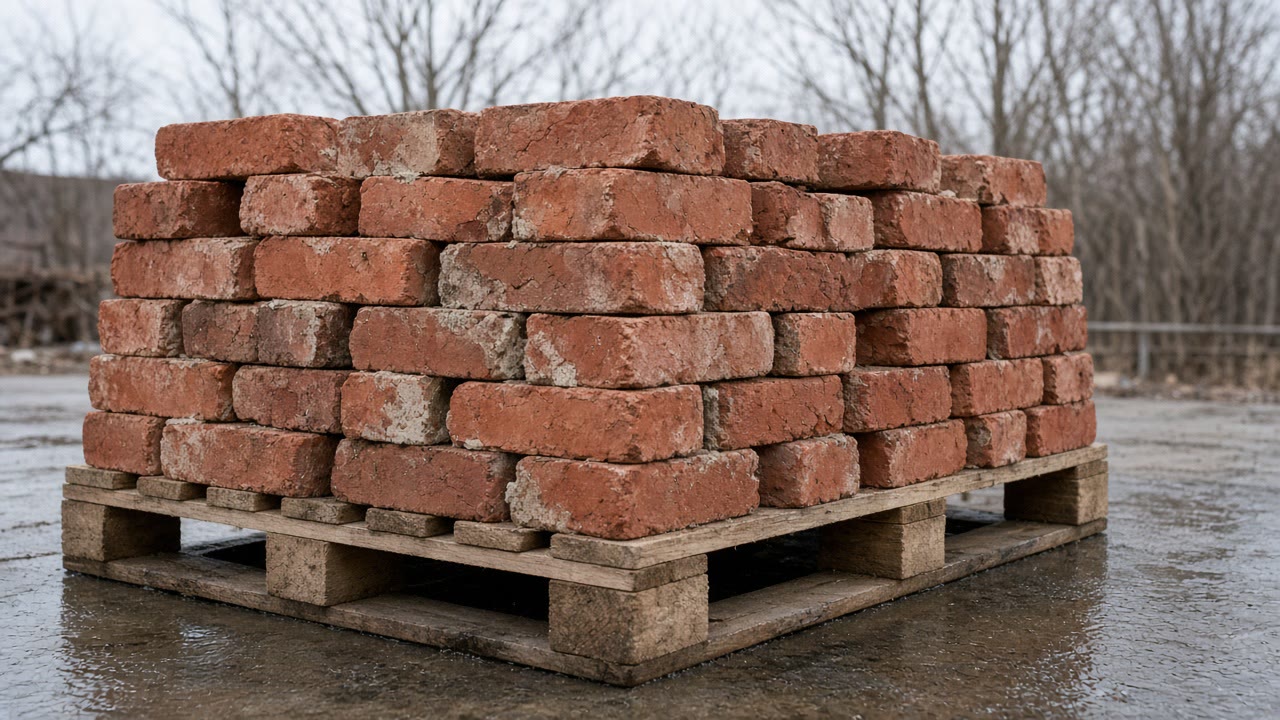
East Syracuse village has 1,464 housing units and a median year of construction reported by the Census as 1938 or earlier, the bottom of the published range. Of its units, 54.0 percent were built in 1939 or earlier, 80.4 percent in 1959 or earlier and 89.8 percent before 1980. Only 2.7 percent were built in the 1970s and about 10 percent date from 1980 or later.
Source: US Census Bureau, American Community Survey 2020-2024 5-year estimates, table B25034 Year Structure Built and table B25035 Median Year Structure Built, accessed 2026-09-10
Preservation Brief 2 records that masonry cement is a preblended bagged mortar mix commonly found at hardware and home repair stores, introduced in the 1930s to hasten and simplify masons' work. It may contain hydrated lime but it always contains a large amount of portland cement as well as ground limestone and other workability agents including air-entraining agents. Because masonry cements are not required to contain hydrated lime, and generally do not contain lime, the Brief states that they produce high strength mortars that can damage historic masonry, and that for this reason they generally are not recommended for use on historic masonry buildings.
Source: National Park Service, Technical Preservation Services, Preservation Brief 2: Repointing Mortar Joints in Historic Masonry Buildings, by Robert C. Mack, FAIA, and John P. Speweik, 1998, accessed 2026-09-10
Preservation Brief 2 specifies that old mortar should be removed to a minimum depth of two to two and a half times the width of the joint, to ensure an adequate bond and to prevent mortar popouts, and that for most brick joints this means removal to a depth of approximately one half to one inch. Any loose or disintegrated mortar beyond that minimum depth should also be removed.
Source: National Park Service, Technical Preservation Services, Preservation Brief 2: Repointing Mortar Joints in Historic Masonry Buildings, by Robert C. Mack, FAIA, and John P. Speweik, 1998, accessed 2026-09-10
The one question worth asking on a village street
Repointing works here when the new mortar is softer than the brick it goes between, and the cheapest way to find out whether a quote understands that is to ask where the mortar comes from. In East Syracuse it matters more than almost anywhere: 54.0 percent of the village's 1,464 homes went up in 1939 or earlier and 80.4 percent before 1960, the oldest combination in Onondaga County, so four houses in five are old enough for the brick to be softer than a modern bagged mix. We get the type and the mix written down before the first joint is cut.
What the joints are telling you, and how deep they go
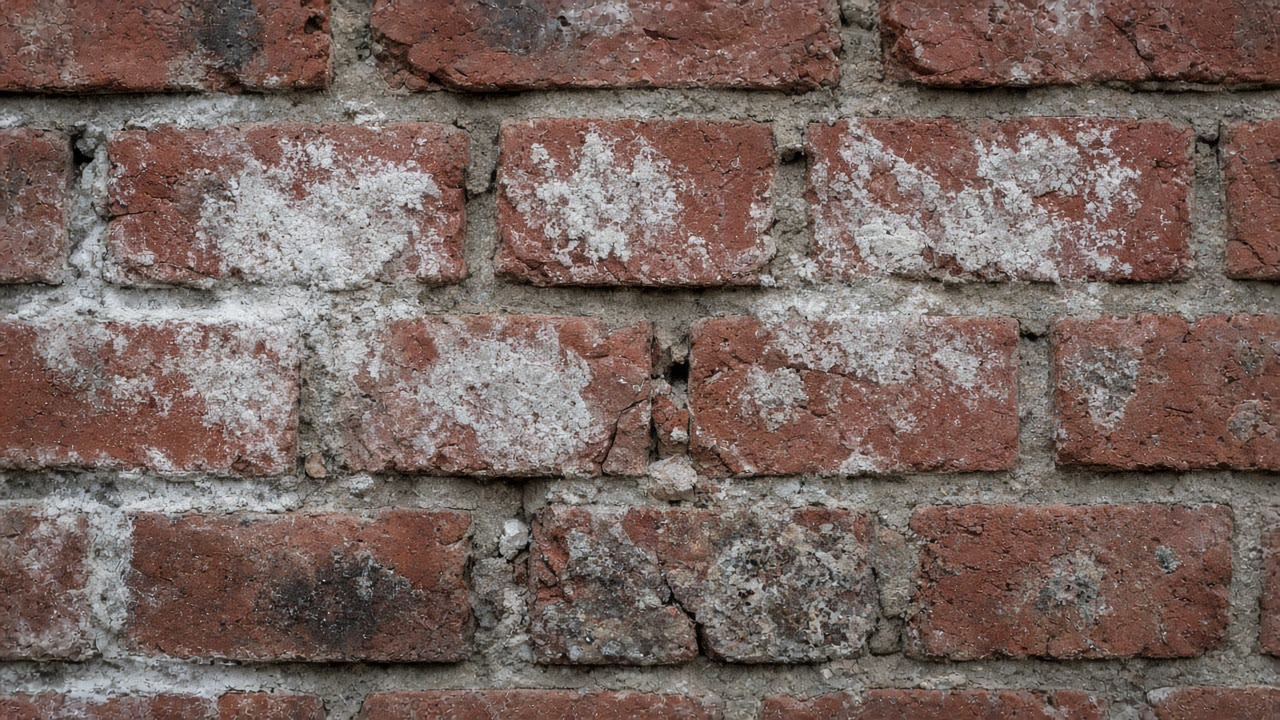
Two things decide whether this is a job now. First, whether mortar is genuinely missing rather than merely weathered: if you can rake it out with a screwdriver or a key, the wall is open. Second, whether the failure is on one elevation or all four, because on a village house the weather side almost always goes first and the other three can wait years. Then ask about depth, because the published rule is two to two and a half times the joint width, roughly a half inch to an inch on brick, and a skim over a shallow scratch is what fails in three winters.
Ask where the mortar comes from
The preblended bags on the shelf are masonry cement. They always carry a large amount of portland cement and generally no lime at all, and the federal guidance states they produce high strength mortars that can damage historic masonry and generally are not recommended on it. Site mixed to a named type is the answer you want here.
Ask how deep the joints are being cut
The minimum is two to two and a half times the width of the joint, which on most brick means a half inch to an inch, plus anything loose deeper than that. A joint scratched out an eighth of an inch and skimmed over looks identical on the day and fails inside a few winters.
Phase it by elevation if the money is tight
Only 2.7 percent of this village was built in the 1970s, so there is no modern half of town where a different answer applies. Doing the weather side properly now and the sheltered walls when they need it is how a whole house job here becomes affordable without cutting corners on the mix.
Can you pick the mortar out with a key?
Try it on the worst joint you can reach, then send the East Syracuse address and tell us how far in it went.
Other masonry we take on inside the village line
Repointing questions from East Syracuse owners
Can I use the bagged mortar from the hardware store on my own joints?
You can, and on this village's brick we would not. Those bags are masonry cement: they always contain a large amount of portland cement and generally no lime, and the federal guidance says plainly that they produce high strength mortars which can damage historic masonry. On a house built before 1940, which is most of East Syracuse, the risk is not an ugly joint. It is a hard joint that grips the brick and takes the face off over the next ten winters, and by then nobody connects the two.
Is there any historic approval to obtain before repointing in East Syracuse?
No, and knowing that saves you a wait. The federal National Register records return 166 entries for Onondaga County and not one of them sits at East Syracuse: no district, no individual building, nothing. So there is no board meeting to schedule around here and no contributing building route into the state's 20 percent homeowner credit either. The permit question is still the village's own, so confirm that at the code office with your address rather than assuming either way.
Get the mix named before the trowel arrives
Joints washing out, hollow joints, a face lifting beside a newer patch: describe it with the address, no obligation.