
Repointing Old Syracuse Brick, District Address or Not
Two answers before anyone cuts a joint: which mortar type belongs on your brick, and whether the board sees the work first.
Repointing quote in Syracuse
Share a few details so we can confirm coverage and arrange the right next step.
Would you rather talk it through? Call (315) 640-3590, answered 24/7.
$100 off your first job
Credited by us on your first booked job.
- One credit per customer per property, on your first booked job.
- Valid through December 31, 2026.
Mention this offer when you book. Full terms.
A 1948 median, and the board that reviews the elevation
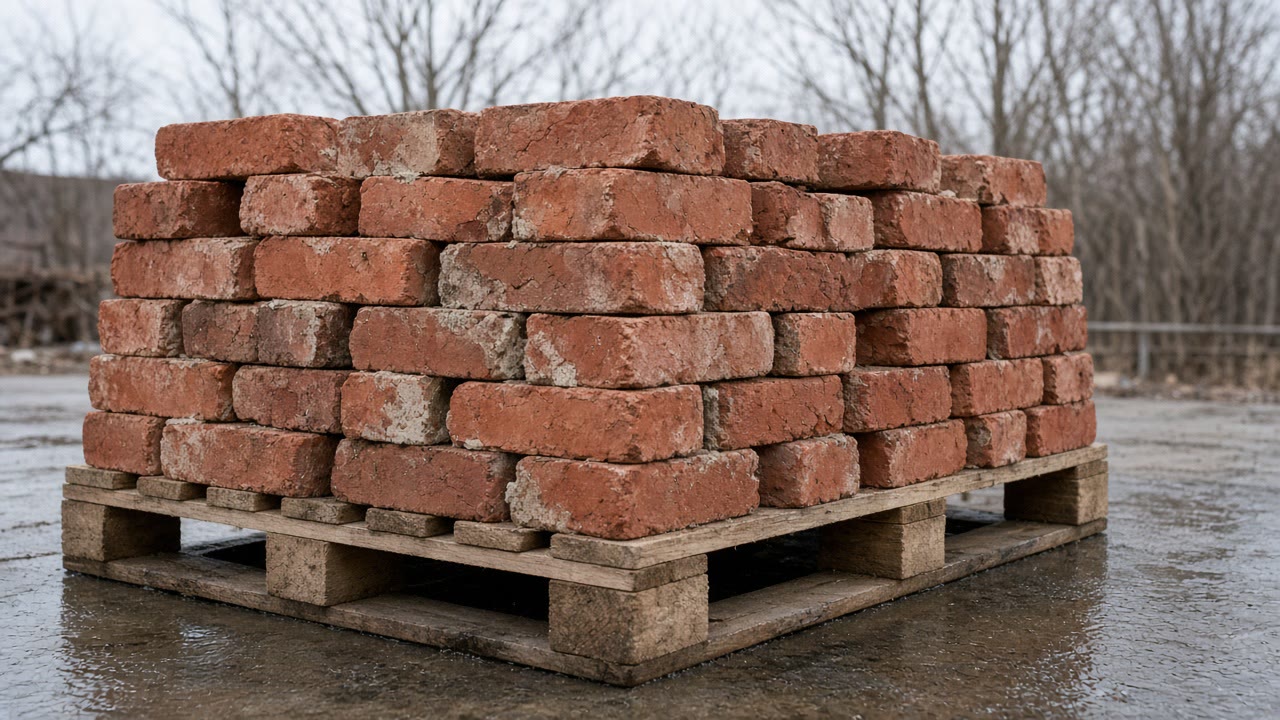
The City of Syracuse has 67,601 housing units with a median year of construction of 1948. Of those, 43.1 percent were built in 1939 or earlier, 66.4 percent in 1959 or earlier and 85.5 percent before 1980. Only 8.9 percent were built in the 1970s and the remainder, about 14.5 percent, dates from 1980 or later.
Source: US Census Bureau, American Community Survey 2020-2024 5-year estimates, table B25034 Year Structure Built and table B25035 Median Year Structure Built, accessed 2026-09-10
National Park Service Preservation Brief 2 sets four criteria a repointing mortar must meet, and two of them are about physics rather than looks. The new mortar must have greater vapor permeability and be softer, measured in compressive strength, than the masonry units. It must also be as vapor permeable and as soft or softer, measured in compressive strength, than the historic mortar it replaces. The Brief states the rule directly: mortars for repointing should be softer or more permeable than the masonry units and no harder or more impermeable than the historic mortar, to prevent damage to the masonry units.
Source: National Park Service, Technical Preservation Services, Preservation Brief 2: Repointing Mortar Joints in Historic Masonry Buildings, by Robert C. Mack, FAIA, and John P. Speweik, 1998, accessed 2026-09-10
The City of Syracuse operates a Syracuse Landmark Preservation Board, authorized by the city zoning ordinance, which administers a Certificate of Appropriateness process. The city states that any exterior alterations to designated sites or to properties within preservation districts must be reviewed by the board through that process. The board's published pages name four local preservation districts: Berkeley Park, Sedgwick-Highland-James, Hanover Square and Columbus Circle.
Source: City of Syracuse, Syracuse Landmark Preservation Board, accessed 2026-09-10
New York's State Historic Preservation Office runs a Historic Homeownership Rehabilitation Tax Credit Program offering a state income tax credit equal to 20 percent of qualified rehabilitation expenses on repair, maintenance and upgrades to historic homes. The applicant must own and live in the home; the home must be listed in the New York State and National Registers of Historic Places, either individually or as a contributing building in a listed historic district; and the home must be in a qualifying census tract. Total qualified expenses must be 5,000 dollars or more, with a minimum of 5 percent spent on exterior work. The office states that all projects must be approved before work begins, that replacing repairable historic material is never recommended, and that damaged historic material should be replaced in kind.
Source: New York State Office of Parks, Recreation and Historic Preservation, State Historic Preservation Office, Historic Homeownership Rehabilitation Tax Credit Program, accessed 2026-09-10
What a repointing scope has to name in the city
Repointing buys you a wall that fails in its joints rather than in its brick, and a joint can be raked out and refilled again in another thirty years. What decides that is the mortar type, not the crew's speed. City brick runs old: a median build year of 1948, and 43.1 percent of the 67,601 housing units here went up in 1939 or earlier, soft enough that a hard modern mix grips the face and pulls it off. So we get the type written into the scope, and we check your address against the preservation districts before anyone is booked.
Is the mortar actually gone, or just tired
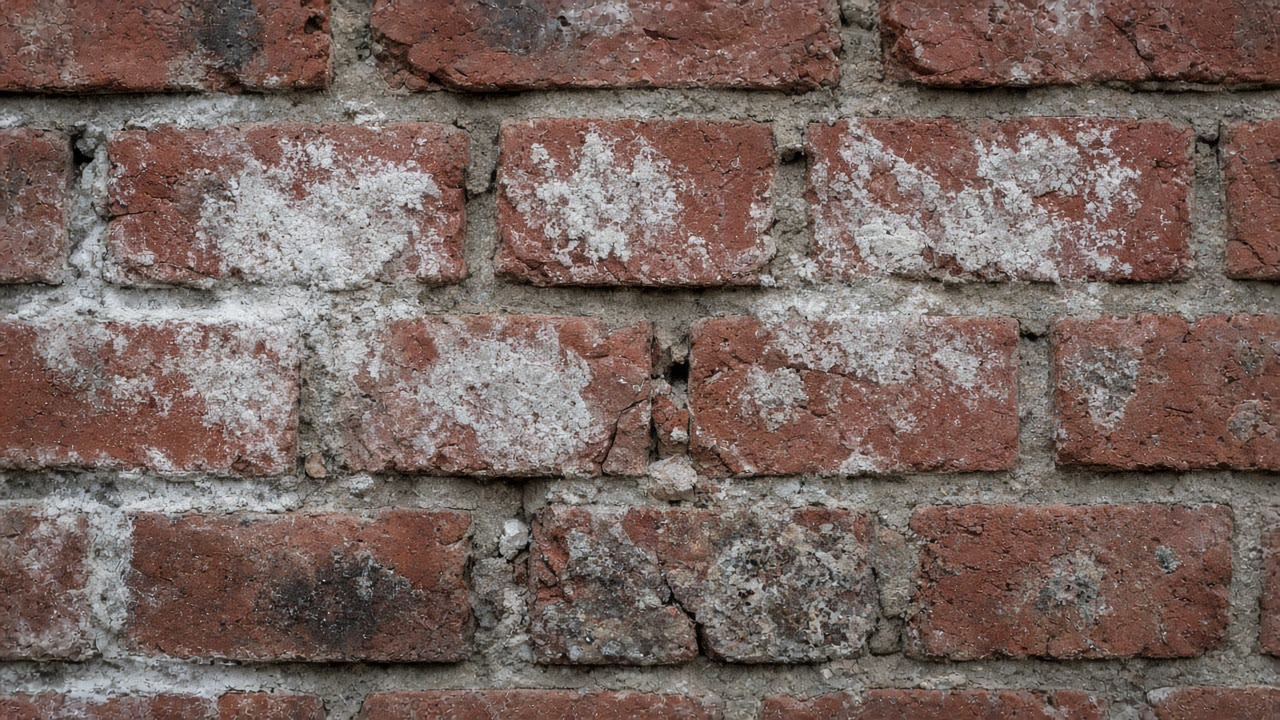
The honest calibration first. Hairline cracking in a joint with nothing loose is not a job yet, and a city wall carries that for years. What changes the answer is mortar you can rake out with a key, brick faces lifting beside crisp newer joints, or joints gone hollow behind the surface. Two of those mean water is already inside the wall, and at a district address there is then a review queue you do not control, so the order is address first, approval second, mason third.
Ask for a mortar type, not a color match
Every mason in this market offers to match the color and the joint profile. The federal guidance sets two invisible criteria as well: the new mortar has to be more vapor permeable and softer in compressive strength than the brick it sits between. Ask how yours knows it is softer than your brick.
Check the address against the board before pricing
The city reviews exterior alterations to designated sites and to properties inside a preservation district through a Certificate of Appropriateness, and the board meets on a published calendar. Learning that in week one costs a phone call. Learning it in week four costs your start date.
Repoint in the same year you claim the credit
New York's 20 percent homeowner rehabilitation credit carries a 5 percent minimum on exterior work, which repointing clears without trying, and every project has to be approved before work begins. There is no route back once the joints are filled.
Not sure whether the board is involved?
Send the Syracuse address and a photograph of the worst joint. We will come back on the district question and the mortar question together.
Other masonry we arrange at a city address
Repointing questions from Syracuse homeowners
How do I find out whether my Syracuse house sits in a preservation district?
Ask the city with the address, and ask early. The Landmark Preservation Board reviews exterior alterations to designated sites and to properties inside a preservation district, and its own published districts include Berkeley Park, Sedgwick-Highland-James, Hanover Square and Columbus Circle. Separately the National Park Service records nineteen National Register districts inside the city line, the largest of them hundreds of ordinary houses, so plenty of owners are contributing buildings without knowing it. Send the address and we will come back on what we find before anyone prices the work.
Can I have the worst wall repointed and leave the rest?
Usually yes, and on a city house it is often the right call. Pointing the failed areas and leaving sound joints alone costs less and does less to the wall. The point where that stops being true is when enough of one elevation has gone that the crew sets up twice for the same square footage. At that stage the access decides the scope rather than the mortar, and it is worth hearing that said out loud before you pick between two numbers.
Get a mortar type named for your city wall
Mortar you can pick out with a key, faces flaking beside newer joints: describe it with the address and there is no obligation either way.