
Window and Door Heads on East Syracuse Houses
A quarter of this village is new enough to have steel over the openings. The rest has something else up there entirely.
Lintel Repair quote in East Syracuse
Share a few details so we can confirm coverage and arrange the right next step.
Would you rather talk it through? Call (315) 640-3590, answered 24/7.
$100 off your first job
Credited by us on your first booked job.
- One credit per customer per property, on your first booked job.
- Valid through December 31, 2026.
Mention this offer when you book. Full terms.
What is carrying the brick over your opening
Before anyone prices the crack over your window, it is worth knowing what holds the brick up. East Syracuse carries 26.4 percent of its housing in the 1940 to 1959 window, the decades of the bare steel angle, which puts it mid-table in the county rather than at the top. The older three quarters of the village spans its openings differently: shallow brick arches, stone lintels, and in places timber. The federal guidance covers all of them and notes that wood lintels crack as they sag or decay while iron and steel crack as they deflect or rust. Different causes, different repairs, and a crack that looks the same.
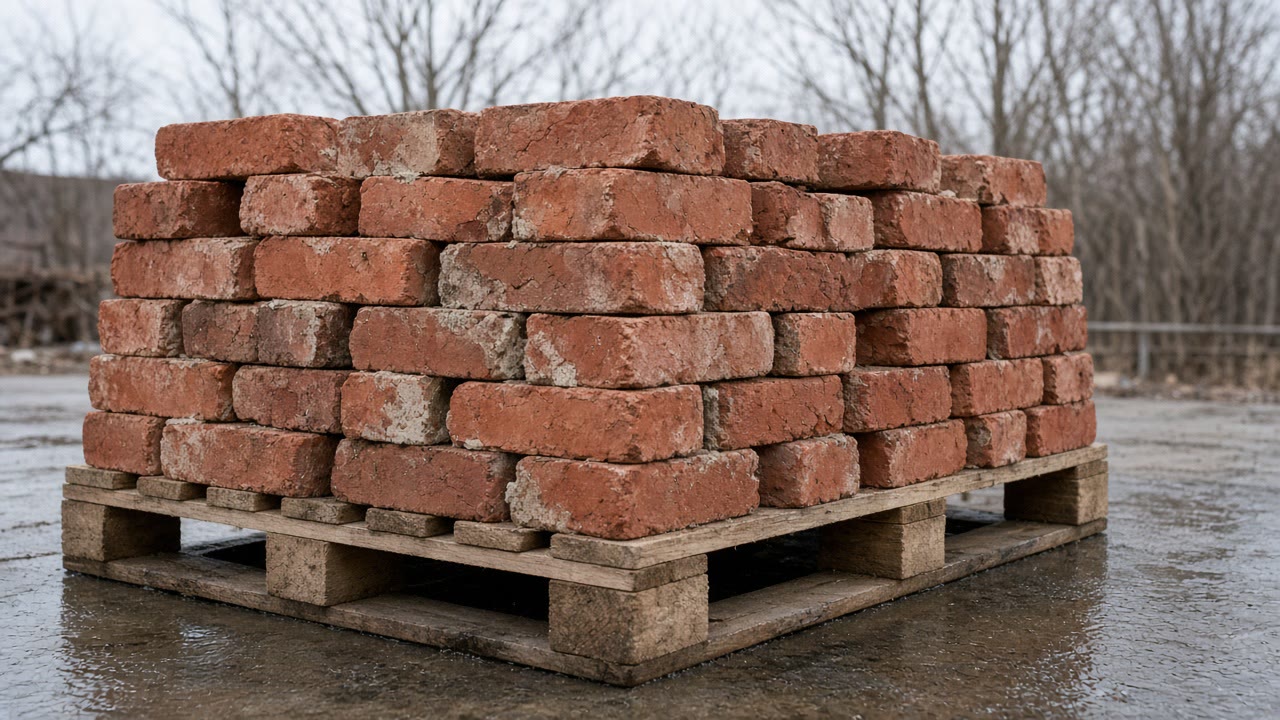
What lintel repair involves
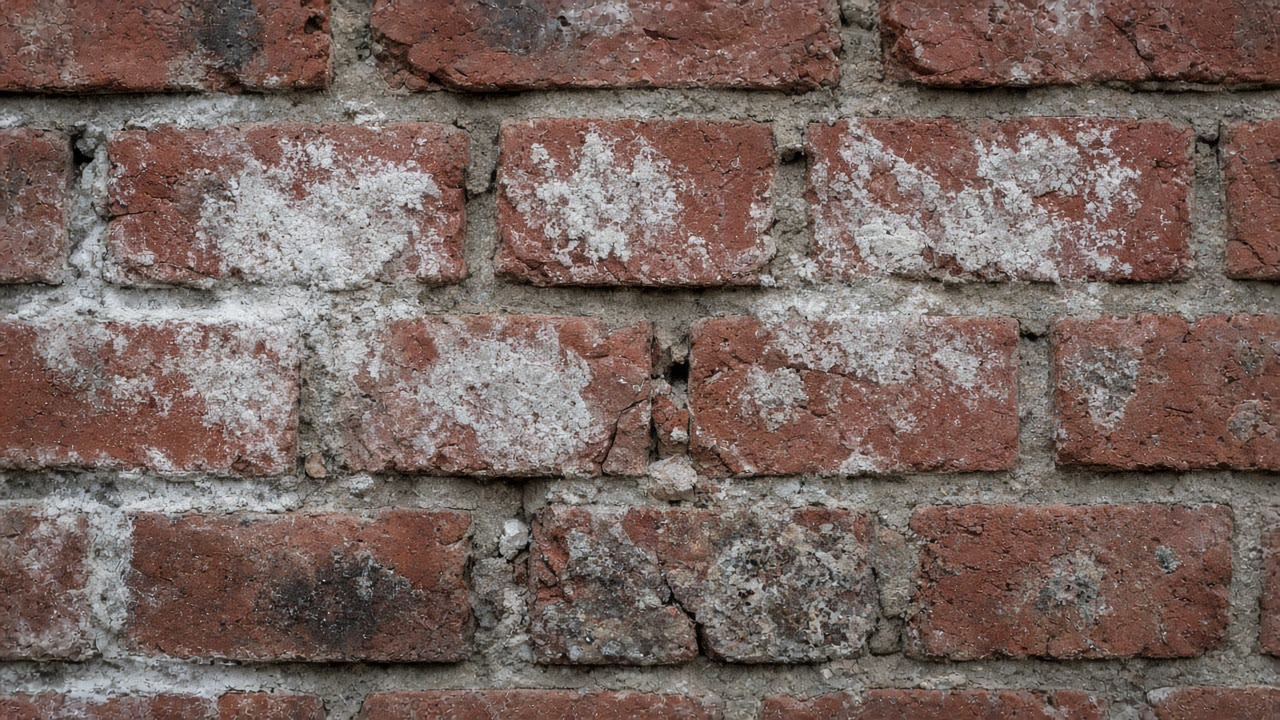

Which repair the head over your window needs
Get the head identified before the crack is filled. Steel that is corroding keeps expanding whatever goes over the crack, and the published prevention for it is unglamorous: keep water out of the wall by repointing the joints, sealing where sealant belongs and repairing cracks as they appear. A sagging timber lintel is a carpentry answer. A dropped brick arch is a rebuild of the arch. Nothing about the crack itself tells you which of the three you have, so this is a look first job rather than a quote first one.
Rust and rot crack the same wall differently
The National Park Service lists corroding iron and steel among the causes of cracking, alongside settlement, shrinkage, thermal movement, frost and improper support over openings, and notes that in older walls with wood lintels the cracking comes as the timber sags or decays. Correcting either usually means replacing the failed component and rebuilding around the opening with added reinforcing.
Repointing is the prevention, not an upsell
The engineering view on steel engaged in a masonry wall is that corrosion is limited by keeping the wall serviceable so less water gets in, and that this typically means repointing joints, sealing where appropriate and repairing cracks regularly. On a village house that is maintenance rather than a structural project.
One opening, or several
One cracked head is a repair. The same crack over three windows on one elevation usually means the whole run has been taking water the same way, and dealing with all three off one setup costs less than coming back twice.
26.4 percent in the lintel decades, and what spans the rest
Ranked instead by the share of housing built between 1940 and 1959, the era in which steel angle lintels over openings became standard in brick and brick-veneer houses, the county orders itself completely differently: Galeville 60.7 percent, Seneca Knolls 58.9, Mattydale 54.6, Westvale 51.3, Lyncourt 47.1, Fairmount 42.7, North Syracuse village 38.5, Geddes town 37.1, Salina town 35.0, Solvay village 31.3, Camillus town 30.4, Liverpool village 27.1, Fayetteville village 26.8, East Syracuse village 26.4, DeWitt town 25.6, the City of Syracuse 23.3, Manlius town 22.3, Cicero town 19.7, Baldwinsville village 17.3, Marcellus town 15.1, Skaneateles village 13.1 and Clay town 12.8.
Source: US Census Bureau, American Community Survey 2020-2024 5-year estimates, table B25034 Year Structure Built and table B25035 Median Year Structure Built, accessed 2026-09-10
The National Park Service page on common problems with brick masonry lists the corrosion of iron and steel wall reinforcement among the causes of cracking, alongside differential settlement of foundations, drying shrinkage, thermal and moisture expansion and contraction, improper support over openings, the effects of freeze-thaw cycles, expansion of salts, and the bulging or leaning of walls. On openings specifically it states that cracking or displacement of masonry around openings results from the deflection or failure of the lintels or arches that span them, that in older masonry walls with wood lintels cracking occurs as the wood sags or decays, and that iron and steel lintels also cause cracking as they deflect or rust over time. It states that correcting such problems usually means replacing failed components and rebuilding the area around the opening with additional reinforcing.
Source: National Park Service, Common Problems with Brick Masonry, accessed 2026-09-10
On prevention, the article states that while preventing corrosion-related damage to steel members engaged within a masonry exterior wall can be challenging, the rate and extent of corrosion can be limited by maintaining the exterior wall in serviceable condition to minimize the amount of water infiltrating the wall, and that such maintenance typically includes repointing masonry joints, installing sealant repairs as appropriate, and repairing cracks in the masonry regularly.
Source: Deborah Slaton and David S. Patterson, AIA, both of Wiss, Janney, Elstner Associates, Expanding on structural steel, Failures column, The Construction Specifier, Construction Specifications Institute, December 7 2018, accessed 2026-09-10
Arch, stone, or steel over the window?
Photograph the head from the sidewalk and send it with the East Syracuse address. That picture usually answers it on its own.
Cracked heads: what village owners ask
My house is from about 1910. Does it even have steel lintels?
Possibly not, and that is exactly why looking beats pricing here. Houses of that vintage in this village often span an opening with a shallow curved course of brick or a single long stone, and steel becomes the standard later. The tells are visible from the sidewalk: a curve of brick over the window is an arch, one long stone is a stone lintel, and a straight brick course sitting on a thin dark line is usually an angle. Photograph it and we can normally tell you which you have.
Will repointing stop a crack over a window from coming back?
It can, and that is the most useful sentence on this page. Where the steel is corroding only because water keeps arriving at it, the published prevention is keeping the wall serviceable: repointing the joints, sealing where sealant belongs, repairing cracks as they appear. Where the steel has already lost real section, pointing will not stop it and the brick over the opening has to come down. Which of those you have is a fifteen minute question on site and a guess from a photograph.
Get the head over your opening identified
A crack from a top corner, a stain, a head that has sagged: describe it with the address, no obligation.