
Cracks Above Windows and Doors on Syracuse Houses
A step crack from the top corner of a window is usually steel rather than settlement, and those two need completely different work.
Lintel Repair quote in Syracuse
Share a few details so we can confirm coverage and arrange the right next step.
Would you rather talk it through? Call (315) 640-3590, answered 24/7.
$100 off your first job
Credited by us on your first booked job.
- One credit per customer per property, on your first booked job.
- Valid through December 31, 2026.
Mention this offer when you book. Full terms.
Telling city settlement from a growing lintel
Filling the crack over your window is the one repair that makes this worse. If the steel angle inside the wall is corroding it is not merely weakening, it is growing, and sealing the crack keeps in the water feeding it. The city carries 23.3 percent of its housing in the 1940 to 1959 window on the county's lintel era ranking, mid-table rather than top, which means a crack over a Syracuse opening genuinely could be either thing. So the first job is the diagnosis, and it is made from outside signs you can photograph this afternoon.
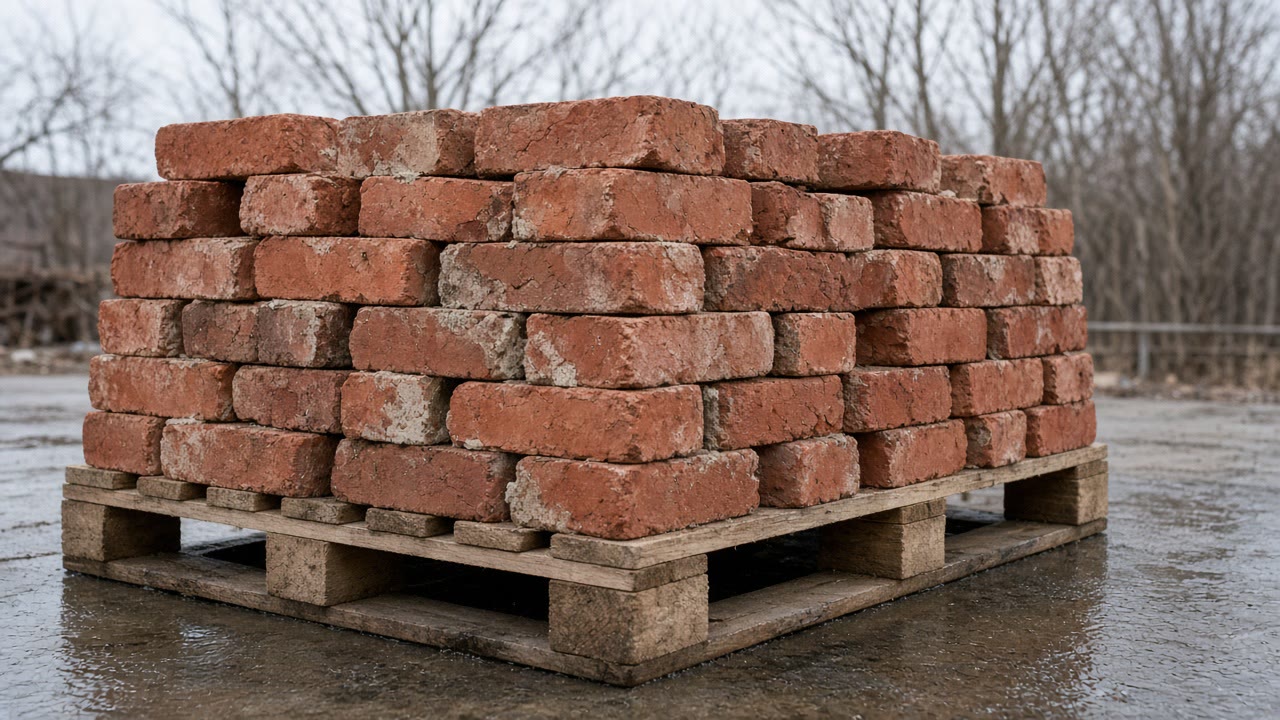
What lintel repair involves
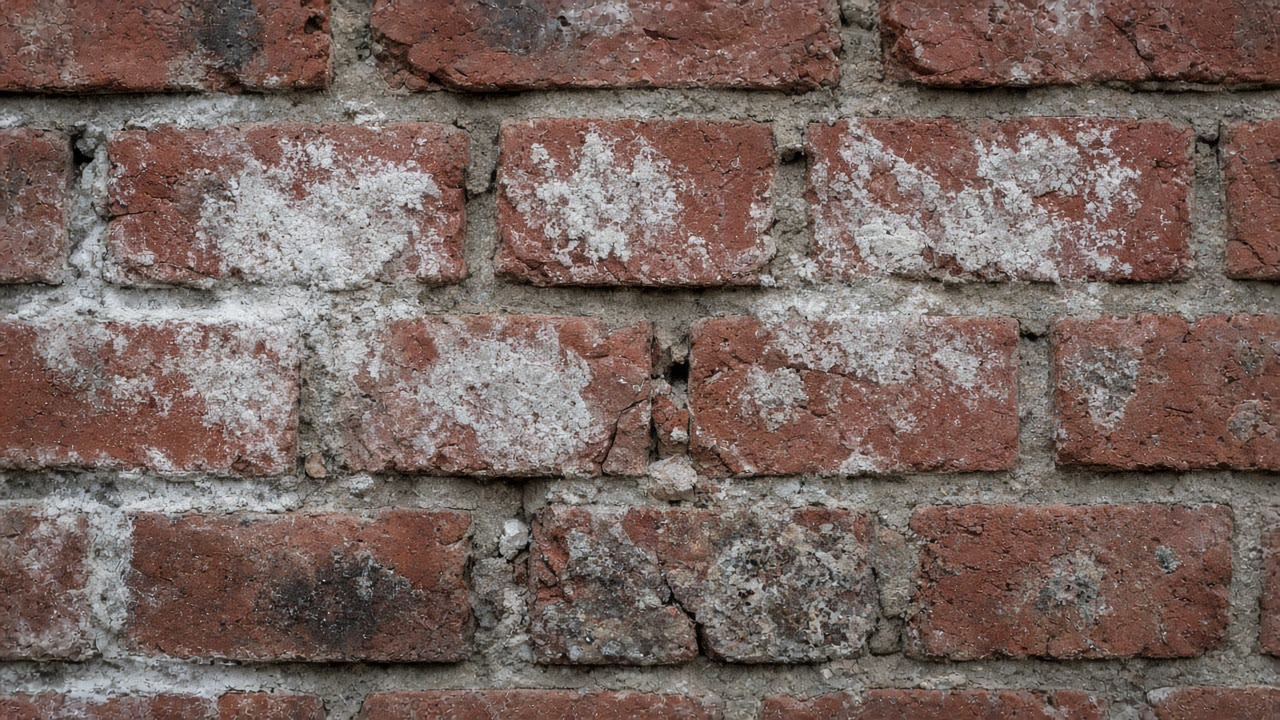

Clean and recoat, or take the brick down
Two very different jobs sit behind the same crack and what separates them is how much steel is left. Rust scale can occupy up to ten times the volume of the metal it consumed, so an alarming stack of scale does not on its own mean the angle has failed. The scale has to be cleaned off before anyone can measure what remains, and 10 to 20 percent section loss is the figure commonly cited for looking harder. Under that, you are cleaning and recoating sound steel. Over it, the brick above the opening comes down and goes back.
Photograph the top corner, not the middle of the crack
A crack stepping diagonally up and away from the corner of an opening, a rust stain bleeding down from it, or a brick course no longer level: those three point at the steel. A crack running upward from low down near the foundation points somewhere else entirely.
Do not seal it until you know
Corroding steel expands into the masonry bearing on it, which is what opened the crack. A bead of sealant across the face keeps the water in and lets the expansion carry on out of sight, which is why these cracks come back wider after being filled.
Rebuilding over an opening is exterior work
Taking the brick above a window down and putting it back changes the elevation, and on a designated site or inside a preservation district that is reviewed through a Certificate of Appropriateness. Worth confirming against the address before a crew is booked rather than after.
The city's own place on the lintel era ranking
Ranked instead by the share of housing built between 1940 and 1959, the era in which steel angle lintels over openings became standard in brick and brick-veneer houses, the county orders itself completely differently: Galeville 60.7 percent, Seneca Knolls 58.9, Mattydale 54.6, Westvale 51.3, Lyncourt 47.1, Fairmount 42.7, North Syracuse village 38.5, Geddes town 37.1, Salina town 35.0, Solvay village 31.3, Camillus town 30.4, Liverpool village 27.1, Fayetteville village 26.8, East Syracuse village 26.4, DeWitt town 25.6, the City of Syracuse 23.3, Manlius town 22.3, Cicero town 19.7, Baldwinsville village 17.3, Marcellus town 15.1, Skaneateles village 13.1 and Clay town 12.8.
Source: US Census Bureau, American Community Survey 2020-2024 5-year estimates, table B25034 Year Structure Built and table B25035 Median Year Structure Built, accessed 2026-09-10
Writing in The Construction Specifier, two engineers from Wiss, Janney, Elstner Associates state that unprotected mild steel oxidizes rapidly when exposed to moisture, that this oxidation produces rust scale which is an iron oxide, and that rust scale can occupy up to 10 times the volume of the original metal. They add that the increased porosity of the corroded surface can trap or hold moisture, leading to further corrosion, and that the forces exerted by corrosion can cause cracking and spalling of adjacent masonry, commonly referred to as rust jacking. The resulting cracks and gaps in the masonry can allow more water into the wall, increasing the potential for further corrosion.
Source: Deborah Slaton and David S. Patterson, AIA, both of Wiss, Janney, Elstner Associates, Expanding on structural steel, Failures column, The Construction Specifier, Construction Specifications Institute, December 7 2018, accessed 2026-09-10
The article states that significant accumulation of rust scale, while visually notable and potentially damaging to masonry in contact with the corroding steel, does not necessarily mean enough original material has been lost to render the member structurally inadequate, and that section loss of 10 to 20 percent is often cited as the threshold at which further assessment of the element should be conducted. Where rust scale accumulation is extensive, the corrosion product must be removed to determine the actual section loss, and both the location and the extent of the corrosion decide whether repair or replacement is needed.
Source: Deborah Slaton and David S. Patterson, AIA, both of Wiss, Janney, Elstner Associates, Expanding on structural steel, Failures column, The Construction Specifier, Construction Specifications Institute, December 7 2018, accessed 2026-09-10
The City of Syracuse operates a Syracuse Landmark Preservation Board, authorized by the city zoning ordinance, which administers a Certificate of Appropriateness process. The city states that any exterior alterations to designated sites or to properties within preservation districts must be reviewed by the board through that process. The board's published pages name four local preservation districts: Berkeley Park, Sedgwick-Highland-James, Hanover Square and Columbus Circle.
Source: City of Syracuse, Syracuse Landmark Preservation Board, accessed 2026-09-10
Rust stain, or no rust stain?
That one detail splits a lintel from settlement. Send the Syracuse address with a photograph of the window head and we will say which you have.
Other openings work we cover across Syracuse
Cracked window heads: what city owners ask
There is a brown stain running down from the corner of my window. What is that?
That is the tell. Water is reaching bare steel inside the wall and carrying rust back out through the joint, which means the angle over the opening is corroding and swelling. It is the one crack pattern on a brick house that gets worse rather than settling down, and it is also the one most often filled and painted over. Photograph the stain and the brick course directly above the window, then send both with the address.
Does a cracked window head mean my foundation is moving?
Not usually, and that matters because the two repairs are nowhere near the same money. Foundation movement tends to show low down and in more than one place at once. A single crack stepping up from the top corner of one opening, with a stain or a course out of level, is the steel over that opening and nothing else. We would rather tell you it is a lintel than sell you a foundation.
Get the crack over your city window read
A step crack, a stain, a course out of level: describe it with the address and there is no obligation either way.