
The Steel in a Fayetteville Wall Is the Part You Cannot See
The steel doing the damage sits inside the wall with brick bearing on it, so the diagnosis is made entirely from outside signs.
Lintel Repair quote in Fayetteville
Share a few details so we can confirm coverage and arrange the right next step.
Would you rather talk it through? Call (315) 640-3590, answered 24/7.
$100 off your first job
Credited by us on your first booked job.
- One credit per customer per property, on your first booked job.
- Valid through December 31, 2026.
Mention this offer when you book. Full terms.
Reading a Fayetteville opening from the outside
Fayetteville is old enough and new enough for both of this site's mechanisms to apply on one street: 20.7 percent of its 2,092 homes predate 1940 and 26.8 percent were built between 1940 and 1959. The lintel half is the one that hides. Corrosion of steel in a masonry building is typically associated with water migrating through the exterior cladding and reaching embedded steel, and the engineering literature notes that ongoing corrosion may be concealed within the wall. So the diagnosis comes from three outside signs, and you can photograph all three today.
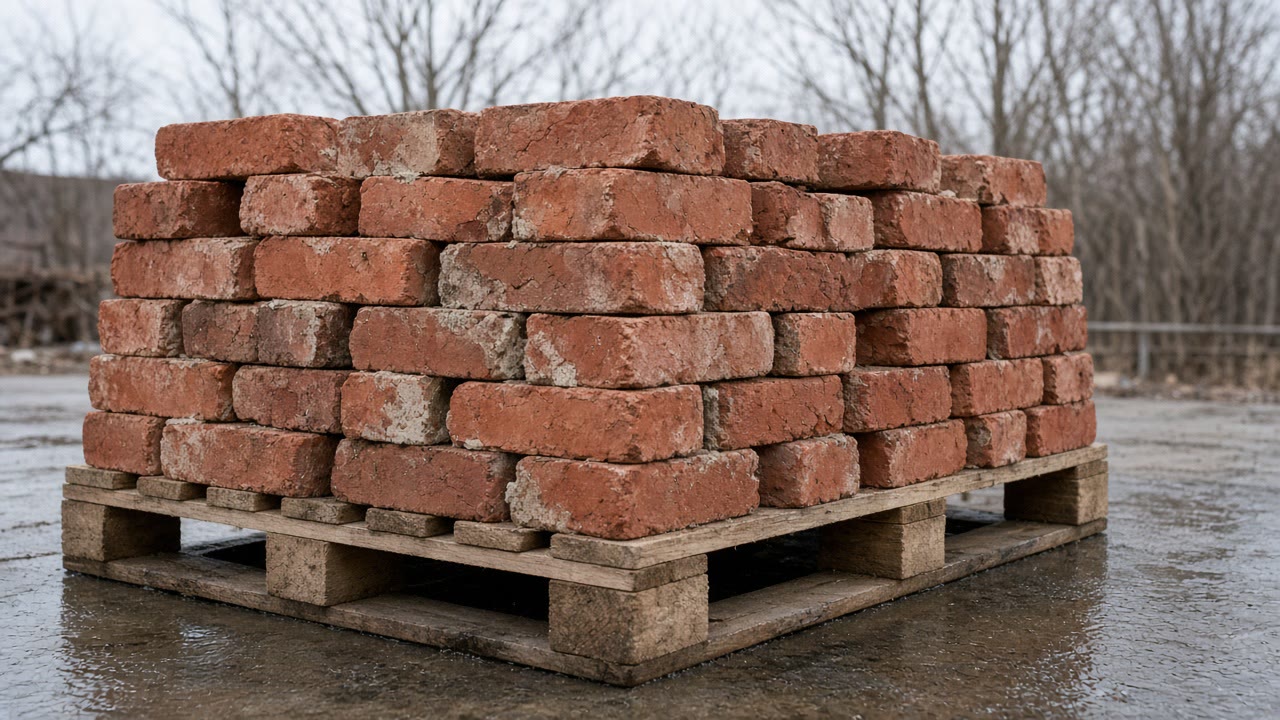
What lintel repair involves
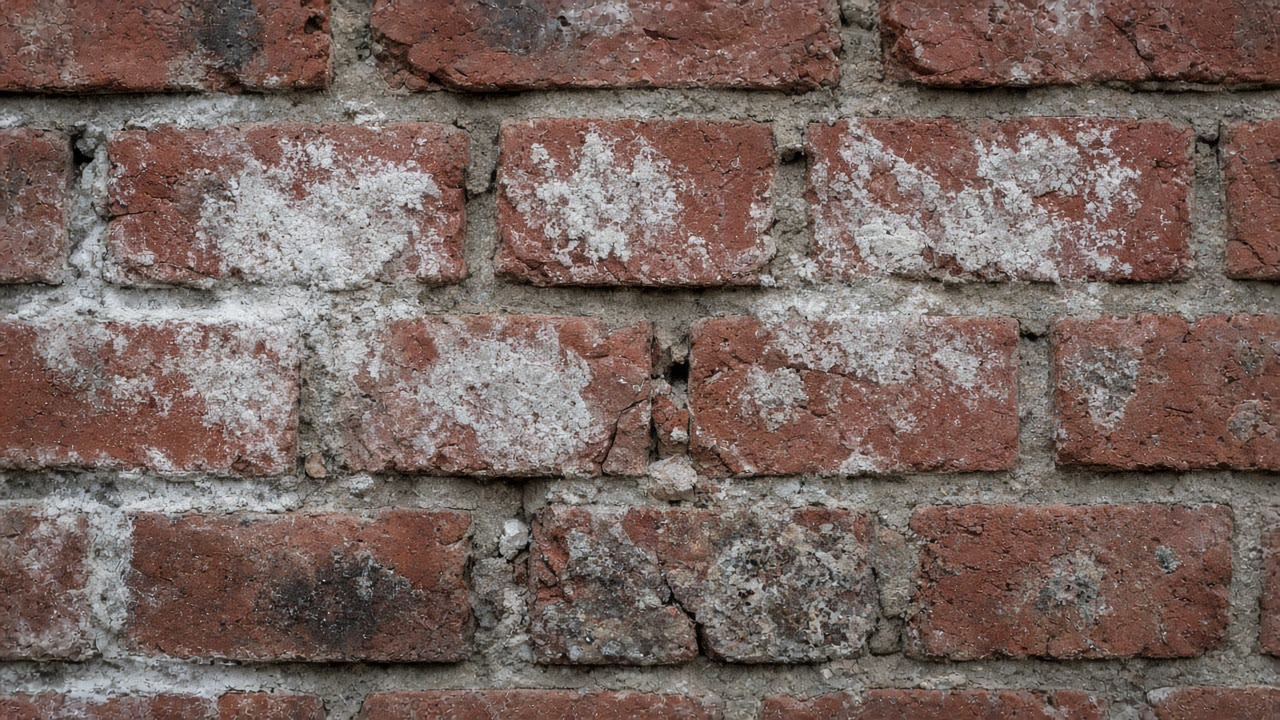

The three signs, and what each one means
A rust stain bleeding down from the top corner of an opening means water has already reached the steel and is carrying the corrosion product back out through the joint. A brick course above an opening that no longer reads level means the steel has grown enough to lift it, and that is the point where the masonry has to come down. And a crack stepping diagonally up from the top corner, rather than up from the foundation, means the movement started at the opening. One sign is worth investigating. Two together usually settle it.
The steel is usually concealed
The engineering literature states that corrosion of steel in masonry buildings is typically associated with water migrating through the exterior cladding and reaching the embedded steel, affecting beams, columns, lintels and anchorages, and that ongoing corrosion may be concealed within the wall. It flags buildings from the early 1900s particularly.
Twice as prewar as its neighbor, with more lintel era stock too
Fayetteville's 2,092 units carry a median build year of 1961, a 20.7 percent prewar share and 26.8 percent built between 1940 and 1959. Manlius village, minutes away in the same town, is 10.5 percent prewar. Both eras have real stock here, which is why both inspections earn their keep.
Where Fayetteville sits on the lintel ranking
On the county's 1940 to 1959 ranking Fayetteville is 26.8 percent, ahead of East Syracuse at 26.4 and the City of Syracuse at 23.3, and well behind Galeville at 60.7. Mid-table, which means the steel story is likely rather than certain on any given address.
26.8 percent in the lintel decades, and the signs you can see
The article states that the effects of corrosion on metal building components range from undesirable appearance to hazardous structural conditions, and that this is particularly the case for masonry buildings constructed in the early 1900s where unprotected structural steel is often in contact with exterior wall construction. It notes that both the masonry and the steel can be affected and that ongoing corrosion of the steel may be concealed within the wall. In masonry buildings, corrosion of steel is typically associated with water that migrates through the exterior cladding and reaches the embedded steel, which can affect beams, columns, lintels and anchorages that form part of the exterior wall assembly.
Source: Deborah Slaton and David S. Patterson, AIA, both of Wiss, Janney, Elstner Associates, Expanding on structural steel, Failures column, The Construction Specifier, Construction Specifications Institute, December 7 2018, accessed 2026-09-10
The Town of Manlius has 14,524 housing units with a median year of construction of 1972, a pre-1940 share of 11.2 percent and 22.3 percent built between 1940 and 1959. Manlius village inside it has 2,070 units, a median of 1968, a pre-1940 share of 10.5 percent and 50.9 percent built in the 1960s and 1970s. Fayetteville village has 2,092 units, a median of 1961, a pre-1940 share of 20.7 percent, 26.8 percent built between 1940 and 1959 and 77.2 percent built before 1980.
Source: US Census Bureau, American Community Survey 2020-2024 5-year estimates, table B25034 Year Structure Built and table B25035 Median Year Structure Built, accessed 2026-09-10
Ranked instead by the share of housing built between 1940 and 1959, the era in which steel angle lintels over openings became standard in brick and brick-veneer houses, the county orders itself completely differently: Galeville 60.7 percent, Seneca Knolls 58.9, Mattydale 54.6, Westvale 51.3, Lyncourt 47.1, Fairmount 42.7, North Syracuse village 38.5, Geddes town 37.1, Salina town 35.0, Solvay village 31.3, Camillus town 30.4, Liverpool village 27.1, Fayetteville village 26.8, East Syracuse village 26.4, DeWitt town 25.6, the City of Syracuse 23.3, Manlius town 22.3, Cicero town 19.7, Baldwinsville village 17.3, Marcellus town 15.1, Skaneateles village 13.1 and Clay town 12.8.
Source: US Census Bureau, American Community Survey 2020-2024 5-year estimates, table B25034 Year Structure Built and table B25035 Median Year Structure Built, accessed 2026-09-10
How many of the three signs do you have?
A stain, a course out of level, a step crack from the corner. Send the Fayetteville address and say which.
Window heads: what Fayetteville owners ask
Can anyone tell what the steel is doing without opening the wall?
Not with certainty, and an honest answer says so. The corrosion may be concealed inside the wall, so what a survey does from outside is read the signs: a rust stain from a top corner, a course out of level, a step crack starting at the opening rather than low down. Those three tell you whether opening it up is worth doing. What decides repair against replacement is section loss, and that can only be measured once the scale is off the steel.
Our house is from 1935. Does that era have steel over the openings?
It can, and that is part of why Fayetteville needs both questions asked. The engineering literature specifically flags masonry buildings constructed in the early 1900s, where unprotected structural steel is often in contact with the exterior wall construction, and 20.7 percent of this village predates 1940. So on a 1935 house you might have a brick arch, a stone lintel or an early steel angle, and a photograph of the head is what tells us which.
Get a Fayetteville opening read from outside first
A stain from a top corner, a lifted course, a step crack: describe it with the address, no obligation.