
Repointing in Fayetteville, Twice as Prewar as Its Neighbor
Fayetteville holds roughly twice the prewar housing of Manlius village minutes away, so the town name settles nothing here.
Repointing quote in Fayetteville
Share a few details so we can confirm coverage and arrange the right next step.
Would you rather talk it through? Call (315) 640-3590, answered 24/7.
$100 off your first job
Credited by us on your first booked job.
- One credit per customer per property, on your first booked job.
- Valid through December 31, 2026.
Mention this offer when you book. Full terms.
20.7 percent prewar, and a 40 building district
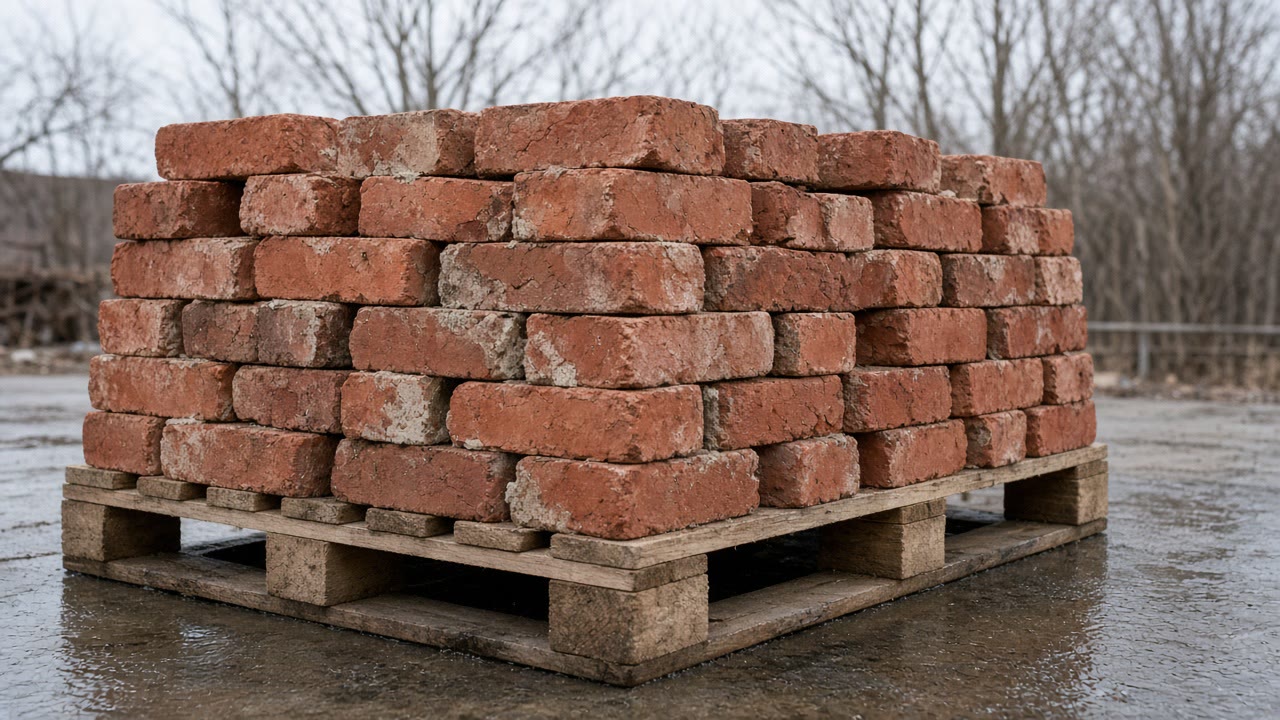
The National Park Service page on common problems with brick masonry states that all too often more damage is done to historic brick buildings with improper pointing than with almost any other treatment, and that the damage is not only cosmetic. It states that care must be taken to match the properties of the existing mortar, naming color, hardness and permeability, and that hard mortars, meaning those with high concentrations of portland cement, are less permeable than the surrounding brick and, with both differential movement and differences in moisture permeability, will often cause the surrounding masonry to deteriorate or deteriorate faster.
Source: National Park Service, Common Problems with Brick Masonry, accessed 2026-09-10
The Town of Manlius has 14,524 housing units with a median year of construction of 1972, a pre-1940 share of 11.2 percent and 22.3 percent built between 1940 and 1959. Manlius village inside it has 2,070 units, a median of 1968, a pre-1940 share of 10.5 percent and 50.9 percent built in the 1960s and 1970s. Fayetteville village has 2,092 units, a median of 1961, a pre-1940 share of 20.7 percent, 26.8 percent built between 1940 and 1959 and 77.2 percent built before 1980.
Source: US Census Bureau, American Community Survey 2020-2024 5-year estimates, table B25034 Year Structure Built and table B25035 Median Year Structure Built, accessed 2026-09-10
The same National Park Service records list village historic districts across the metro: the Skaneateles Historic District with 59 contributing buildings, the Manlius Village Historic District with 50, the Genesee Street Hill and Limestone Plaza Historic District in Fayetteville with 40, and the Oswego-Oneida Streets Historic District in Baldwinsville with 32. Individual listings outside districts include the Lucius Gleason House in Liverpool, the Solvay Public Library, the Dan Bradley House and the Tefft-Steadman House in Marcellus, five listings at Camillus including the Wilcox Octagon House and the Camillus Union Free School, and the Stone Arabia School in Cicero.
Source: National Park Service, Cultural Resources geospatial data, National Register of Historic Places points and polygons map service, queried for Onondaga County, New York, accessed 2026-09-10
New York's State Historic Preservation Office runs a Historic Homeownership Rehabilitation Tax Credit Program offering a state income tax credit equal to 20 percent of qualified rehabilitation expenses on repair, maintenance and upgrades to historic homes. The applicant must own and live in the home; the home must be listed in the New York State and National Registers of Historic Places, either individually or as a contributing building in a listed historic district; and the home must be in a qualifying census tract. Total qualified expenses must be 5,000 dollars or more, with a minimum of 5 percent spent on exterior work. The office states that all projects must be approved before work begins, that replacing repairable historic material is never recommended, and that damaged historic material should be replaced in kind.
Source: New York State Office of Parks, Recreation and Historic Preservation, State Historic Preservation Office, Historic Homeownership Rehabilitation Tax Credit Program, accessed 2026-09-10
Why Fayetteville and Manlius village need different mixes
Two villages in one town, and they are not the same masonry. Fayetteville's 2,092 homes have a median build year of 1961, a 20.7 percent prewar share and 77.2 percent built before 1980. Manlius village, minutes away under the same town government, is 10.5 percent prewar. So Fayetteville has roughly twice the old brick, and it carries a larger share of the steel lintel decades as well, which is an unusual combination in this metro and means a quote written for one village is wrong for the other.
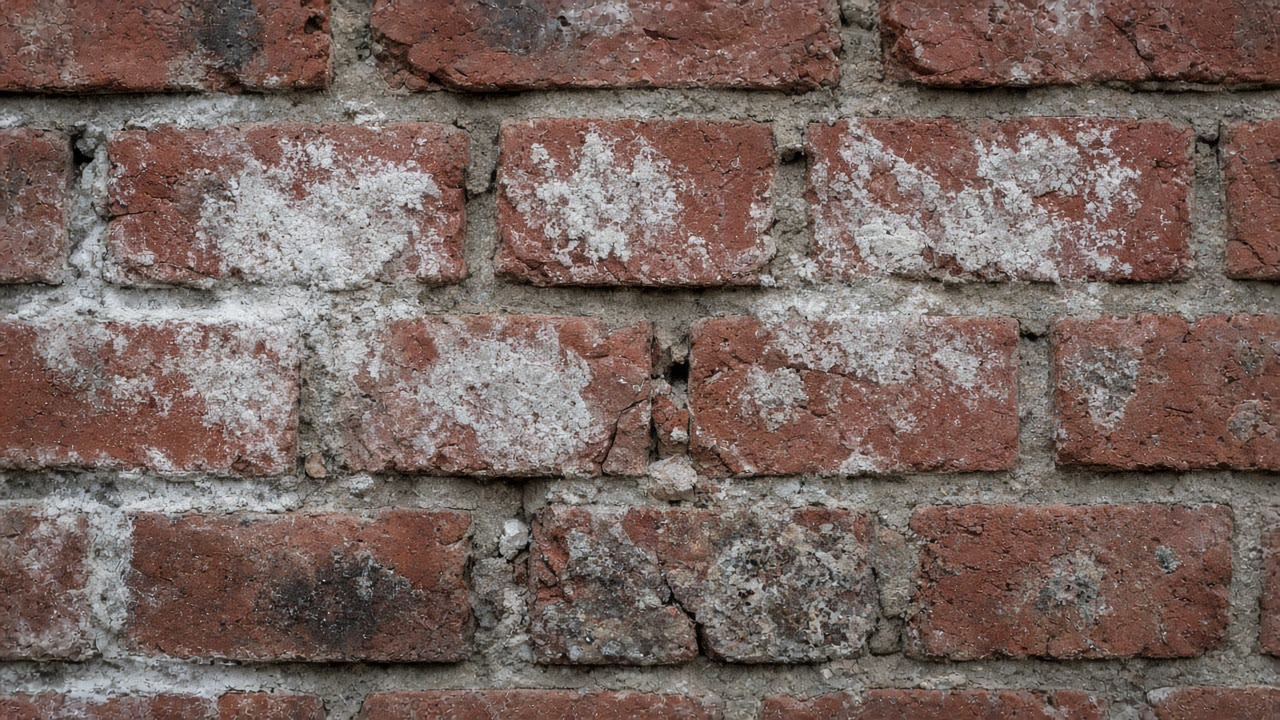
What a hard mortar actually does to this brick
The federal position is stronger than most homeowners expect. More damage is done to historic brick buildings with improper pointing than with almost any other treatment, and the damage is not only cosmetic: hard mortars with high concentrations of portland cement are less permeable than the brick around them, and with both differential movement and different moisture permeability they will often make the surrounding masonry deteriorate faster. On a prewar Fayetteville elevation that is the whole risk, and it is settled the day the mortar is mixed.
Improper pointing is the biggest single risk
The National Park Service states that all too often more damage is done to historic brick buildings with improper pointing than with almost any other treatment, that care must be taken to match color, hardness and permeability, and that hard mortars will often cause the surrounding masonry to deteriorate faster.
Twice as prewar as the other village in this town
Fayetteville is 20.7 percent pre-1940 with a median build year of 1961 and 77.2 percent of its stock built before 1980. Manlius village, under the same town government, is 10.5 percent prewar on a median of 1968. One trade area, two different mortar answers.
A 40 building district runs up Genesee Street Hill
The National Register records the Genesee Street Hill and Limestone Plaza Historic District with 40 contributing buildings. A contributing address changes the standard the mortar is matched to, and a state credit worth 20 percent of qualified expenses comes with it, approved before work begins rather than after.
Fayetteville, or Manlius village?
Send the address. Two villages in one town, and the mortar answer is genuinely different in each.
Other Fayetteville work on the same elevation
Repointing questions from Fayetteville owners
Our neighbor had their brick pointed and the faces are flaking now. Why?
That pattern is the classic tell. Hard mortars with a high portland cement content are less permeable than the brick around them, and the federal guidance says that with differential movement and differences in moisture permeability they will often make the surrounding masonry deteriorate faster. The joint became the strong part of the wall and the brick started paying for it. The same guidance says more damage is done to historic brick by improper pointing than by almost any other treatment.
Is our street inside the Genesee Street Hill district?
Check the boundary against the address rather than guessing, because the district carries 40 contributing buildings and an ordinary house on the wrong side of a street can be one of them. Being inside changes the standard the work is held to and it changes the money, since a contributing building opens the state's 20 percent homeowner credit, which needs at least 5,000 dollars of qualified expenses and approval before work begins.
Get a Fayetteville mix chosen for your brick
Joints washing out, faces flaking beside newer pointing, a hard patch somebody added: describe it with the address, no obligation.