
Marcellus Openings Are More Often Arches Than Steel
The Town of Marcellus is 15.1 percent 1940s and 1950s housing, so most openings here are spanned by something older than a steel angle.
Lintel Repair quote in Marcellus
Share a few details so we can confirm coverage and arrange the right next step.
Would you rather talk it through? Call (315) 640-3590, answered 24/7.
$100 off your first job
Credited by us on your first booked job.
- One credit per customer per property, on your first booked job.
- Valid through December 31, 2026.
Mention this offer when you book. Full terms.
Why a Marcellus opening gets identified first
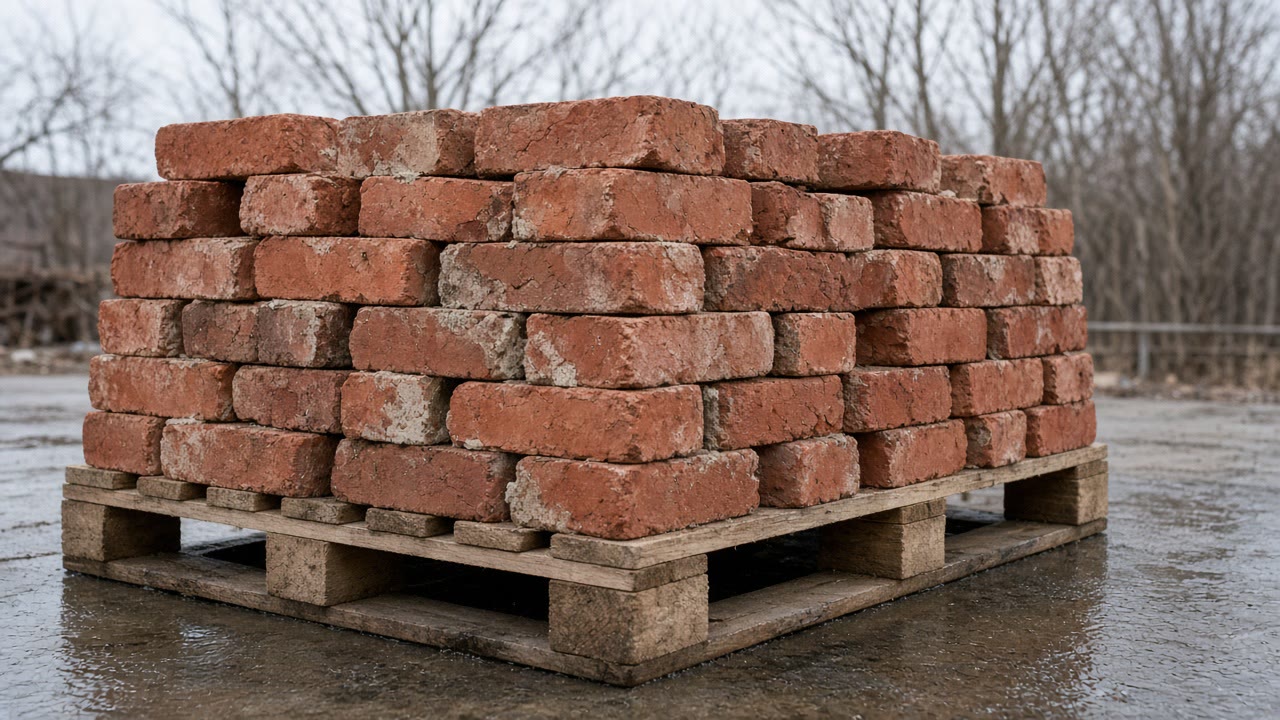
We have not written Marcellus a full lintel page, because the housing does not support one. The town is 15.1 percent 1940 to 1959 housing, twentieth of the 22 places in the county ranking, and the village's median build year is 1952 with 38.4 percent of it predating 1940. On stock that old, an opening is as likely to be spanned by a shallow brick arch or a stone lintel as by steel, and those fail differently and get repaired differently. So the first job here is identifying the head, not pricing a lintel.
What lintel repair involves
Arch, stone, or steel: what to look for
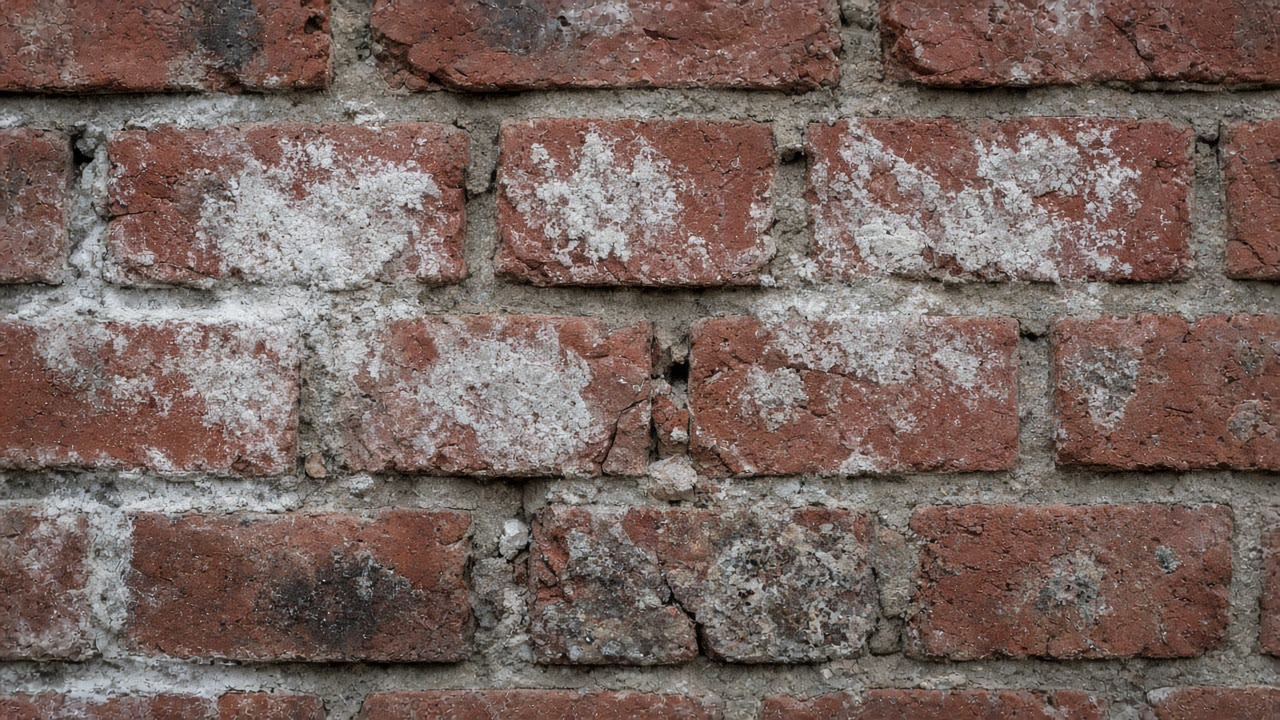
Three things are visible from the sidewalk. A curved course of brick over the opening is an arch, and a crack there usually means the arch has dropped or lost its bearing. One long stone across the opening is a stone lintel, and the usual failure is a cracked stone or a washed out bed at one end. A straight brick course sitting on a thin dark line is steel, and then the rust stain and the level on the course above tell you the rest. Photograph the head and most of this is settled before anyone visits.
Twentieth of 22 places on the lintel measure
The Town of Marcellus is 15.1 percent 1940 to 1959 housing, with only Skaneateles village at 13.1 and Clay at 12.8 below it, against Galeville at 60.7 and Mattydale at 54.6. A steel lintel page here would be selling the postwar suburbs' problem to an old village.
The stock here is older than steel
Marcellus village has a median build year of 1952 with 38.4 percent built in 1939 or earlier, and the town 31.8 percent on a median of 1963. A good share of these openings were built when an arch or a stone head was the normal way to span them.
15.1 percent, and what spans the rest
Ranked instead by the share of housing built between 1940 and 1959, the era in which steel angle lintels over openings became standard in brick and brick-veneer houses, the county orders itself completely differently: Galeville 60.7 percent, Seneca Knolls 58.9, Mattydale 54.6, Westvale 51.3, Lyncourt 47.1, Fairmount 42.7, North Syracuse village 38.5, Geddes town 37.1, Salina town 35.0, Solvay village 31.3, Camillus town 30.4, Liverpool village 27.1, Fayetteville village 26.8, East Syracuse village 26.4, DeWitt town 25.6, the City of Syracuse 23.3, Manlius town 22.3, Cicero town 19.7, Baldwinsville village 17.3, Marcellus town 15.1, Skaneateles village 13.1 and Clay town 12.8.
Source: US Census Bureau, American Community Survey 2020-2024 5-year estimates, table B25034 Year Structure Built and table B25035 Median Year Structure Built, accessed 2026-09-10
Baldwinsville village has 3,784 housing units with a median year of construction of 1975, a pre-1940 share of 20.6 percent and 17.3 percent built between 1940 and 1959, so 56.7 percent of the village predates 1980. Marcellus village has 1,031 units, a median of 1952, a pre-1940 share of 38.4 percent and 81.5 percent built before 1980, and the Town of Marcellus around it has 2,789 units, a median of 1963 and a pre-1940 share of 31.8 percent.
Source: US Census Bureau, American Community Survey 2020-2024 5-year estimates, table B25034 Year Structure Built and table B25035 Median Year Structure Built, accessed 2026-09-10
Photograph the course over the window
Send it with the Marcellus address. What spans the opening decides which trade and which price this is.
The Marcellus work that earns its own page
Openings: what Marcellus owners should ask
How do I tell an arch from a steel lintel?
Stand back and look at the course directly over the window. If the bricks fan outward in a shallow curve, that is an arch and it carries the load by geometry. If there is a single long stone, that is a stone lintel. If the course above the opening runs dead straight and sits on a thin dark line, there is probably a steel angle under it. In Marcellus the first two are more likely than the third, and a photograph normally settles it.
Do you repair brick arches in Marcellus?
Yes, and it is skilled work rather than a patch. An arch that has dropped has usually lost bearing at one end or lost the mortar that was holding its geometry, so the repair involves supporting the opening, resetting the units and rebuilding the bearing rather than filling the crack. That is a different job from a steel lintel replacement, which is exactly why we would rather identify the head before quoting anything.
Tell us what sits over your Marcellus opening
A curved course, a long stone, a straight course on a dark line: describe it with the address and we will take it from there.