Marcellus / Brick replacement
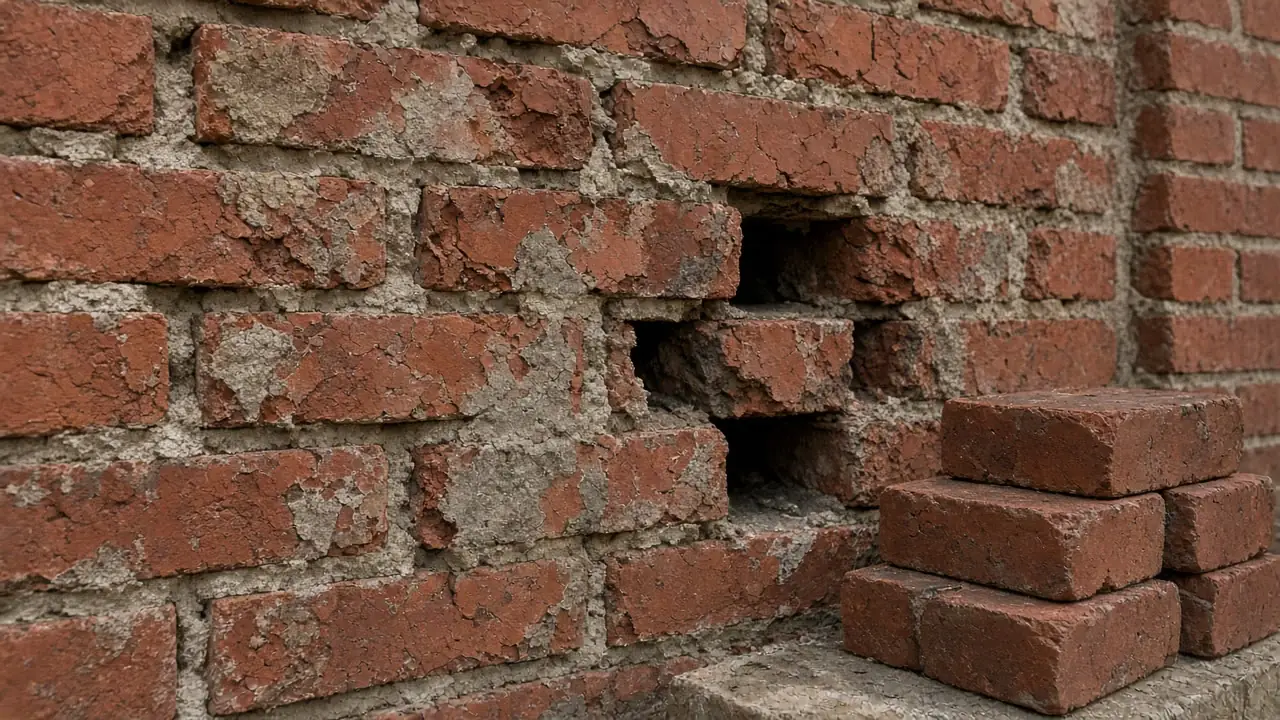
Brick replacement in Marcellus: faces flaking off older brick
When brick faces flake off an older Marcellus wall, brick replacement may be the repair, but the cause comes first. Send us photos and we will get the work priced by separate local masons.
Tell us what you see on the wall
We help you get the repair priced by separate local masonry contractors, and tell you what to ask them first.
Three things to say before you hear a price
Say them on the phone or at the wall. The answers show how a mason works.
Why did this brick fail?
Swapping brick without fixing the cause repeats the damage.
How will the new brick match mine?
Color is not the only match. Ask about hardness too.
What mortar goes in the joints around it?
A joint harder than the brick can crack the brick.
$100 off your first job
Book your first repair through us and take $100 off.
The $100 comes out of our fee; the mason's price stays the same.
Each customer gets one credit per property.
Book the first repair by December 31, 2026, to use it.
Say you hold the credit as you book; we confirm it before work starts.
The Soft Joint promise
- Asking us is free, and asking never ties you to anything.
- We never charge you for the introduction.
- Your $100 credit is honored exactly as our Terms say.
- If an introduction goes wrong, we help you sort it out.
The masonry work is between you and the mason you hire.
Masonry Contractors Syracuse, (315) 640-3590
Answers to ask for before you call about brick replacement in Marcellus
How do I know which bricks to replace?
A mason has to see the wall. Mark the damaged bricks with chalk and send photos.
Will new brick match?
Ask for brick close in age and hardness and a sample before the order. Do not expect a perfect match.
Is the sandblasted brick finished?
A blasted wall has lost its hard surface. Ask the mason what that means for repair and for future winters.
How brick replacement shows up on a Marcellus house
A face that falls off in a flake
The brick's outer surface lifts away and the part behind it is rough and pale.
A previously cleaned wall
If the wall was sandblasted, its hard outer layer is gone. The core takes the weather.
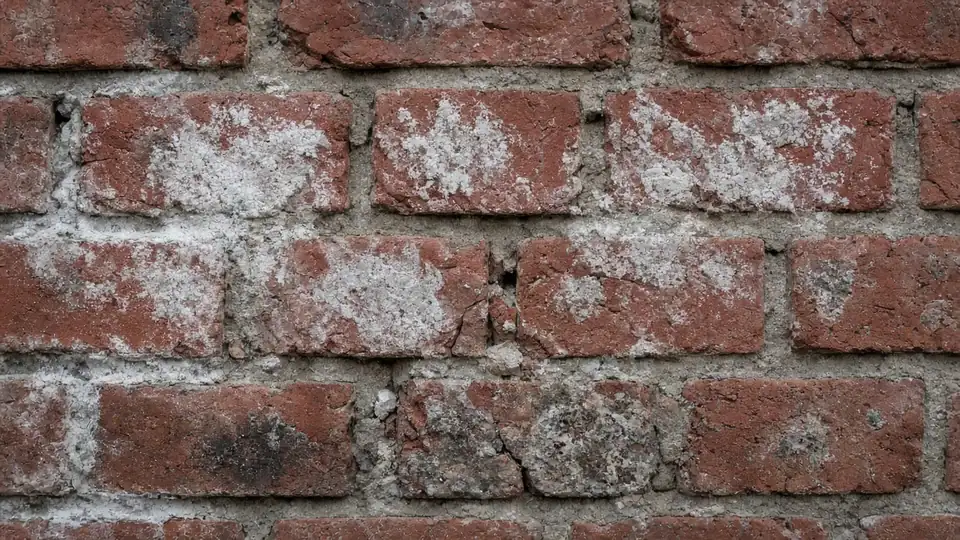
White crust near the damage
Salts left behind by evaporating water can push a face off from inside the brick.
A hard, pale patch beside soft brick
A stiff patch in old mortar can trap water and force the brick to take the stress.
Brick replacement in Marcellus: why older brick spalls where hard mortar sits
Census figures put 38.4 percent of village homes and 31.8 percent of town homes before 1940. In walls like those, brick can be softer than a modern mortar.
NPS Preservation Brief 2 puts the relief of wall stress on the mortar, not the brick. When mortar is stronger than the brick, it will not give, and the cracking lands in the brick.
Look for the pale, stiff patch beside a flaked brick, and tell your mason if you find one. The cause may be the old repair, and new brick set the same way can fail the same way.
Basis: NPS Technical Preservation Services, Preservation Brief 2 NPS, Common Problems with Brick Masonry
Sandblasted Marcellus walls: what to ask before anyone offers to clean it up
The National Park Service says abrasive cleaning strips brick's hard outer surface. In a northern climate, freeze and thaw then break down the softer core.
If a wall was ever blasted, say so when you ask for prices. A mason will want to know before choosing brick or mortar.
If someone suggests blasting as part of a brick job, ask why. The answer should explain how the surface will be protected, and what it will do to the wall.
What the white crust on Marcellus brick tells you
Brief 2 says salts left by evaporating moisture are usually harmless on the surface. Crystallizing inside the brick, they can push the outer surface off.
Crust near the damage can mean water has been moving through the wall. Ask the mason to trace it, to a gutter, a roof edge or the ground.
Ask how many bricks will come out, how the new ones compare in age and hardness, and what mortar goes around them. Have each answer written into the quote.
Count the damaged bricks and photograph each group with a coin for scale. Tell the mason which municipality holds your address, and when the house was built if you know. A mason can then judge whether you have a few failed units or a wall that needs the soft-mortar conversation first.
Beyond brick replacement: what else Marcellus brick may need
In Marcellus
Swap the brick only after you know the cause.