
Old Foundations and Steps on Both Sides of Marcellus
A joint scratched out an eighth of an inch and skimmed over looks identical on the day and fails in three winters.
Retaining Walls and Steps quote in Marcellus
Share a few details so we can confirm coverage and arrange the right next step.
Would you rather talk it through? Call (315) 640-3590, answered 24/7.
$100 off your first job
Credited by us on your first booked job.
- One credit per customer per property, on your first booked job.
- Valid through December 31, 2026.
Mention this offer when you book. Full terms.
How deep a Marcellus joint has to be cut
The commonest way ground level masonry gets done badly is depth. The published rule is that old mortar comes out to a minimum of two to two and a half times the width of the joint, which on most brick means a half inch to one inch, with any loose or disintegrated mortar beyond that removed as well. A joint scratched out and skimmed over looks the same on the day the crew leaves. In a village that is 38.4 percent pre-1940 with a town at 31.8 percent, there is a great deal of old jointing here for that shortcut to hide in.
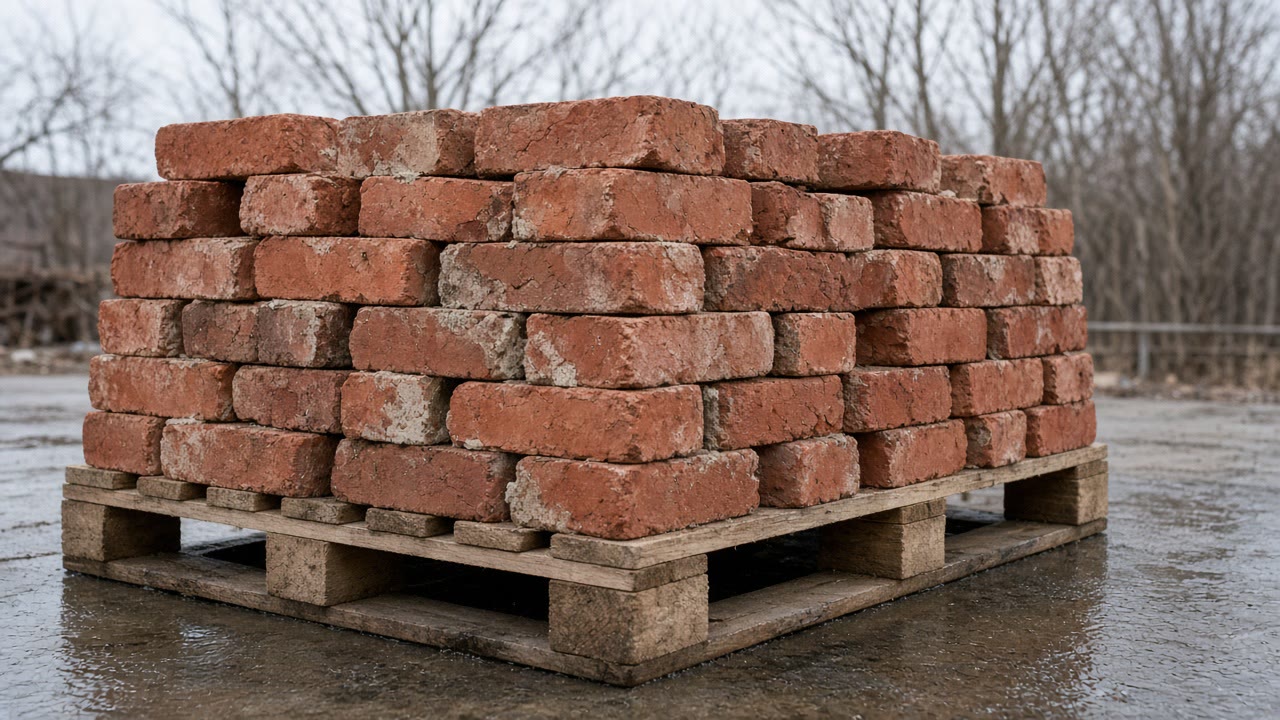
What retaining walls and steps involves
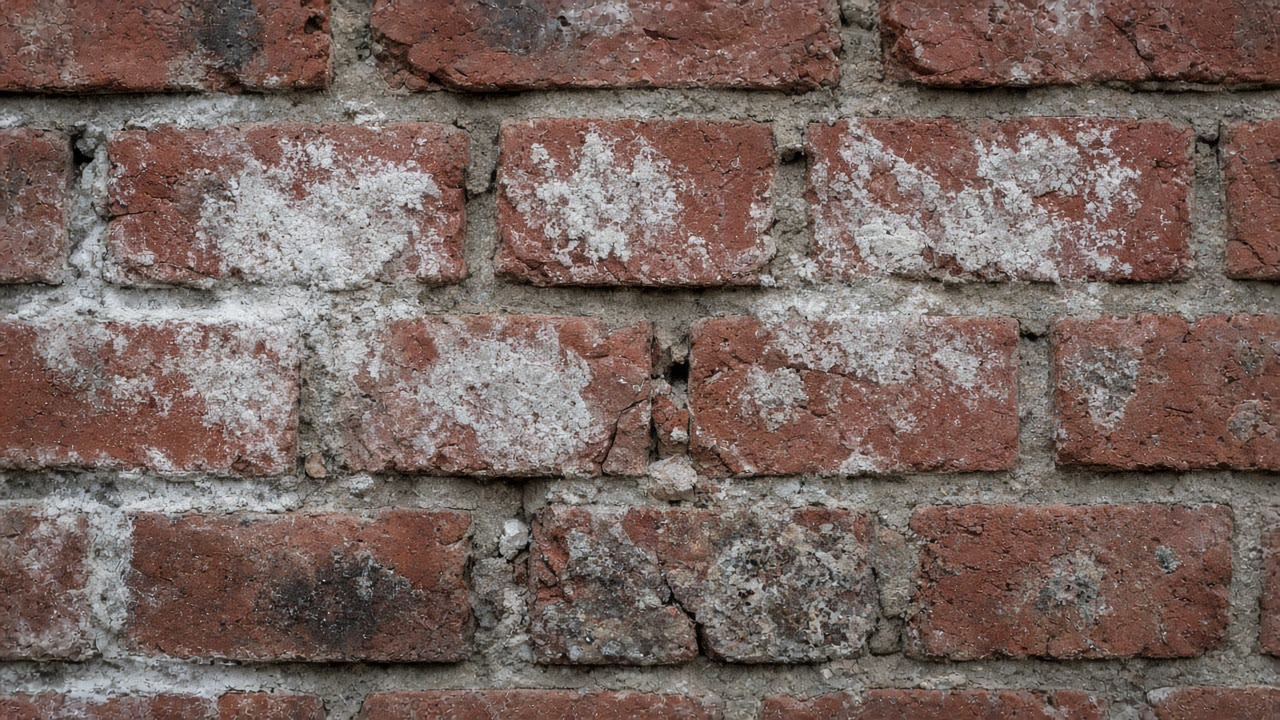

Depth, and how much freezing it has to survive
Two numbers are worth knowing before you accept a price for steps, a stone foundation or a low wall. The depth the joints are being cut to, because that decides whether the new mortar has anything to grip and whether it pops out. And what it has to survive: 57.5 nights a year at 20 degrees or below, 7.1 at or under zero, and 38.47 inches of precipitation falling on 89.7 days. Ground level masonry takes the most water and the most freezing of anything on the property, so a shallow joint fails down here faster than anywhere else.
Two to two and a half times the joint width
The federal guidance specifies that old mortar should be removed to a minimum depth of two to two and a half times the width of the joint, which for most brick joints means approximately one half to one inch, to ensure an adequate bond and to prevent popouts, with any loose material beyond that removed too.
What it has to survive every single year
The normals record 57.5 days a year with a minimum of 20 degrees or below and 7.1 days at or under zero, against 38.47 inches of annual precipitation falling on 89.7 days. Ground level masonry gets more of both than anything else on the property.
Old jointing on both sides of the line
Marcellus village is 38.4 percent pre-1940 on a median build year of 1952, and the town around it 31.8 percent on a median of 1963, against a county figure of 22.6 percent. Old stone and brick at ground level is the normal condition here rather than the exception.
The depth rule, and the winter it has to survive
Preservation Brief 2 specifies that old mortar should be removed to a minimum depth of two to two and a half times the width of the joint, to ensure an adequate bond and to prevent mortar popouts, and that for most brick joints this means removal to a depth of approximately one half to one inch. Any loose or disintegrated mortar beyond that minimum depth should also be removed.
Source: National Park Service, Technical Preservation Services, Preservation Brief 2: Repointing Mortar Joints in Historic Masonry Buildings, by Robert C. Mack, FAIA, and John P. Speweik, 1998, accessed 2026-09-10
The Syracuse normals record 57.5 days a year with a minimum temperature of 20 degrees Fahrenheit or below and 7.1 days at or below zero, against a normal annual mean temperature of 48.3 degrees. Normal annual precipitation is 38.47 inches, falling as a tenth of an inch or more on 89.7 days of the year.
Source: NOAA National Centers for Environmental Information, 1991-2020 US Climate Normals, station USW00014771 Syracuse Hancock International Airport, accessed 2026-09-10
Baldwinsville village has 3,784 housing units with a median year of construction of 1975, a pre-1940 share of 20.6 percent and 17.3 percent built between 1940 and 1959, so 56.7 percent of the village predates 1980. Marcellus village has 1,031 units, a median of 1952, a pre-1940 share of 38.4 percent and 81.5 percent built before 1980, and the Town of Marcellus around it has 2,789 units, a median of 1963 and a pre-1940 share of 31.8 percent.
Source: US Census Bureau, American Community Survey 2020-2024 5-year estimates, table B25034 Year Structure Built and table B25035 Median Year Structure Built, accessed 2026-09-10
Has this been pointed before?
Send the Marcellus address and say when. Work that failed fast usually tells us exactly what to check.
Other Marcellus masonry at ground level
Steps and foundations: what Marcellus owners ask
How can I tell whether the joints were cut deep enough?
Ask before the work, because afterwards you cannot see it. The rule is a minimum of two to two and a half times the width of the joint, roughly a half inch to an inch on most brick, plus anything loose beyond that. On site the tell is what comes out: proper preparation produces a lot of debris and takes most of the time. If a crew is pointing within an hour of arriving on a large area, the depth is worth asking about while they are still on site.
The pointing on our steps fell out after one winter. What went wrong?
Most often depth, sometimes timing. Mortar packed into a shallow scratch has very little to grip, and the guidance sets the minimum removal at two to two and a half times the joint width for exactly that reason, to ensure an adequate bond and prevent popouts. Add 57.5 nights a year at 20 degrees or below and one winter is enough to find out. The repair is to take it out properly and do it again, which is why it is cheaper to ask first.
Get Marcellus joints cut to a real depth
Pointing that fell out, stone joints washing out, a tread rocking underfoot: describe it with the address, no obligation.