
Stone Walls, Steps and Sills in Skaneateles
On a village stone wall the sand decides whether a repair disappears, and the layering decides whether it lasts.
Retaining Walls and Steps quote in Skaneateles
Share a few details so we can confirm coverage and arrange the right next step.
Would you rather talk it through? Call (315) 640-3590, answered 24/7.
$100 off your first job
Credited by us on your first booked job.
- One credit per customer per property, on your first booked job.
- Valid through December 31, 2026.
Mention this offer when you book. Full terms.
What makes a Skaneateles stone repair look right
Stone walls, stone sills and stone steps are the signature masonry of this village, and two details decide whether a repair reads as invisible or as a scar. The first is the sand: the federal guidance says the most useful thing laboratory analysis of an old mortar gives you is the identification of the sand by gradation and color, because sand is the largest ingredient by volume and it is what the eye actually reads. The second is how the joint gets filled, in quarter inch layers packed into the back corners rather than in one pass. On stock that is 54.3 percent prewar, both are worth asking about.
What retaining walls and steps involves
Point it, reset it, or rebuild it
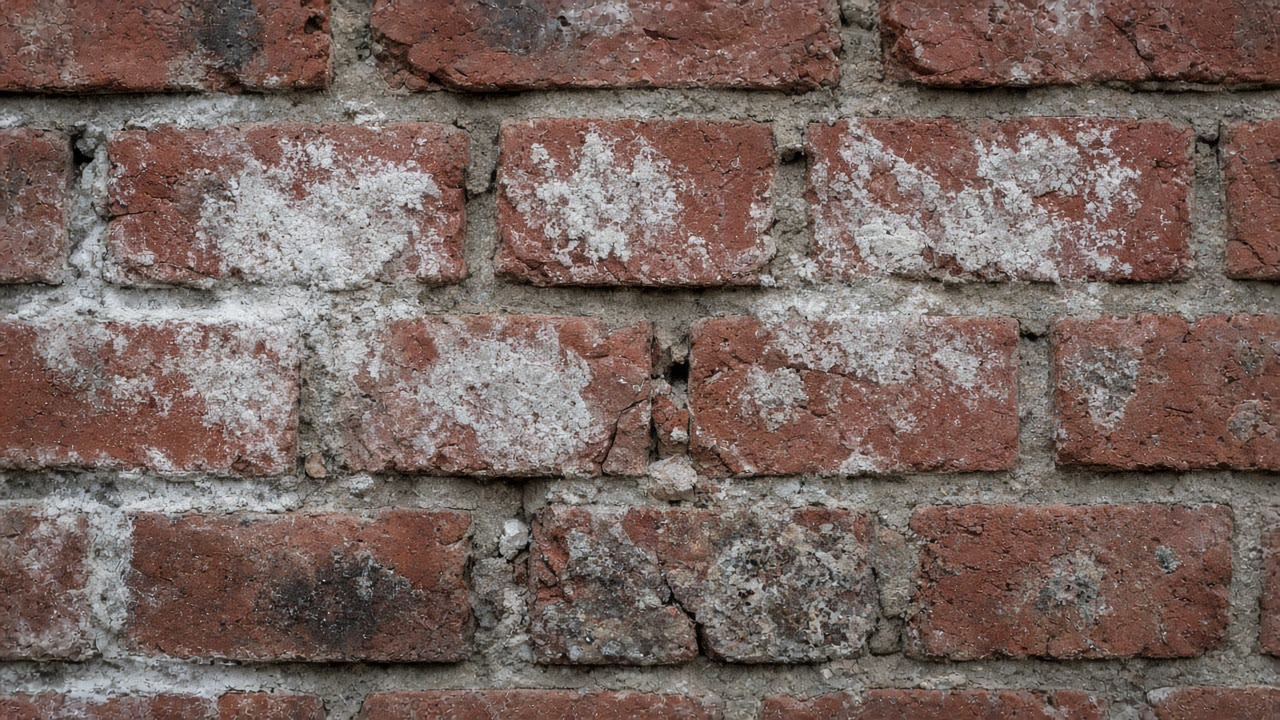
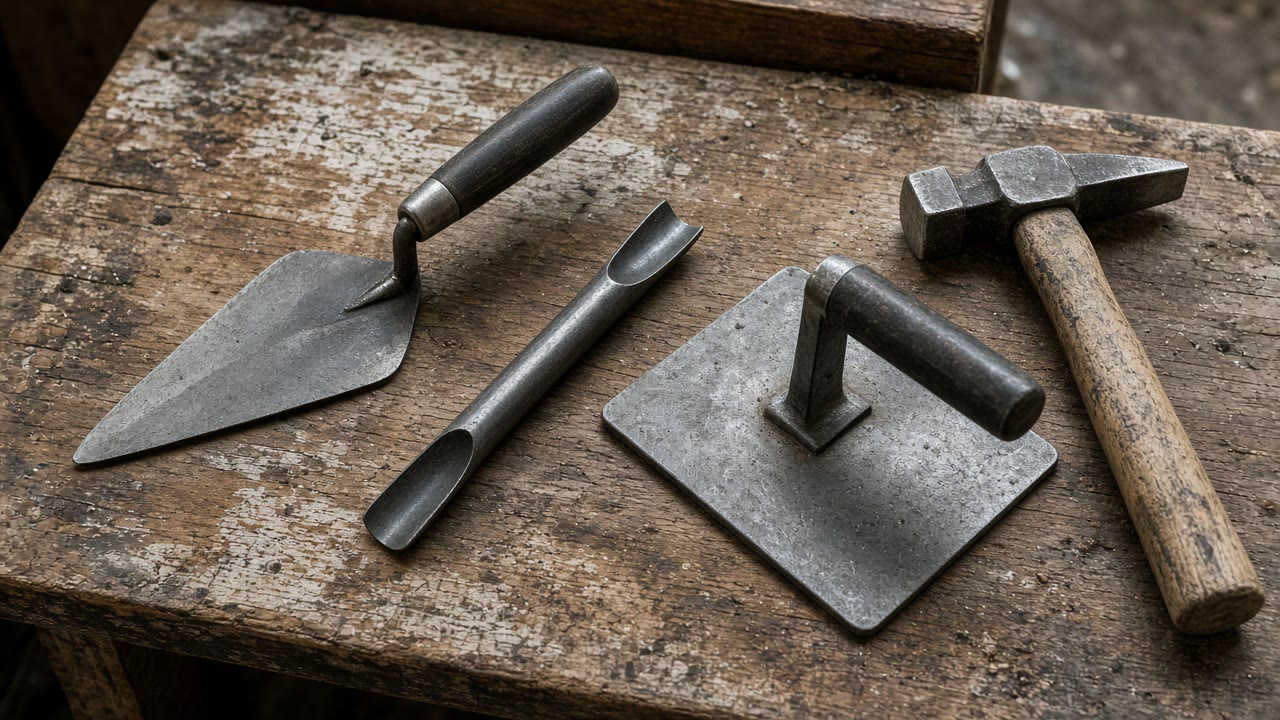
Three answers and they are not interchangeable, though all three get described as repointing. A wall with sound stones and failed joints gets raked out and repacked, which is the cheapest and commonest outcome. A wall with stones that have shifted out of line gets taken apart in sections and reset, because pointing a displaced stone locks the fault in permanently. A wall that is leaning has a drainage and backfill problem behind it and the face is the last thing to think about. Ask which of the three is being quoted.
The sand is what you actually see
The guidance says the most useful result of analyzing an old mortar is identifying the sand by gradation and color, because sand is the largest ingredient by volume. It also warns against basing a specification on analysis alone, since water content, curing rate, weather and mixing cannot be recovered from a sample. Match the sand, then use judgment.
Deep joints get filled in layers
Where mortar has been lost deeper than an inch the guidance is to fill the deeper areas first, compacting in layers of about a quarter inch packed well into the back corners, each one left to reach thumb print hardness before the next. Most shrinkage happens while mortar hardens, so layering is what stops a new joint pulling away.
Both sides of the village line are old
The village reports 54.3 percent of its housing built in 1939 or earlier with a median of 1938 or earlier, and the town around it 36.6 percent with a median of 1956. So a stone wall out in the town is not a modern wall, and the same care applies to it.
What the sand tells you about a village wall
Skaneateles village has 1,353 housing units and a median year of construction reported as 1938 or earlier, with 54.3 percent built in 1939 or earlier, the highest pre-1940 share of any place of its size in Onondaga County. Only 13.1 percent of its stock dates from the 1940s and 1950s. The surrounding Town of Skaneateles has a median of 1956 and a pre-1940 share of 36.6 percent, itself well above the county figure of 22.6 percent.
Source: US Census Bureau, American Community Survey 2020-2024 5-year estimates, table B25034 Year Structure Built and table B25035 Median Year Structure Built, accessed 2026-09-10
Preservation Brief 2 states that the most useful information that can come out of laboratory analysis of a historic mortar is the identification of the sand by gradation and color, and that this is what allows the color and the texture of the mortar to be matched with some accuracy, because sand is the largest ingredient by volume. The Brief separately warns that replacement mortar specifications should not be based solely on laboratory analysis, because analysis requires interpretation and several factors affecting performance cannot be established in a laboratory, including the original water content, the rate of curing, the weather during original construction, the method of mixing and placing, and the cleanliness and condition of the sand.
Source: National Park Service, Technical Preservation Services, Preservation Brief 2: Repointing Mortar Joints in Historic Masonry Buildings, by Robert C. Mack, FAIA, and John P. Speweik, 1998, accessed 2026-09-10
Preservation Brief 2 specifies that where existing mortar has been removed to a depth greater than one inch the deeper areas should be filled first, compacting the new mortar in several layers of approximately one quarter inch, packed well into the back corners, with each layer allowed to reach thumb-print hardness before the next is applied. It explains why: most of the mortar shrinkage occurs during hardening, so layering minimizes overall shrinkage.
Source: National Park Service, Technical Preservation Services, Preservation Brief 2: Repointing Mortar Joints in Historic Masonry Buildings, by Robert C. Mack, FAIA, and John P. Speweik, 1998, accessed 2026-09-10
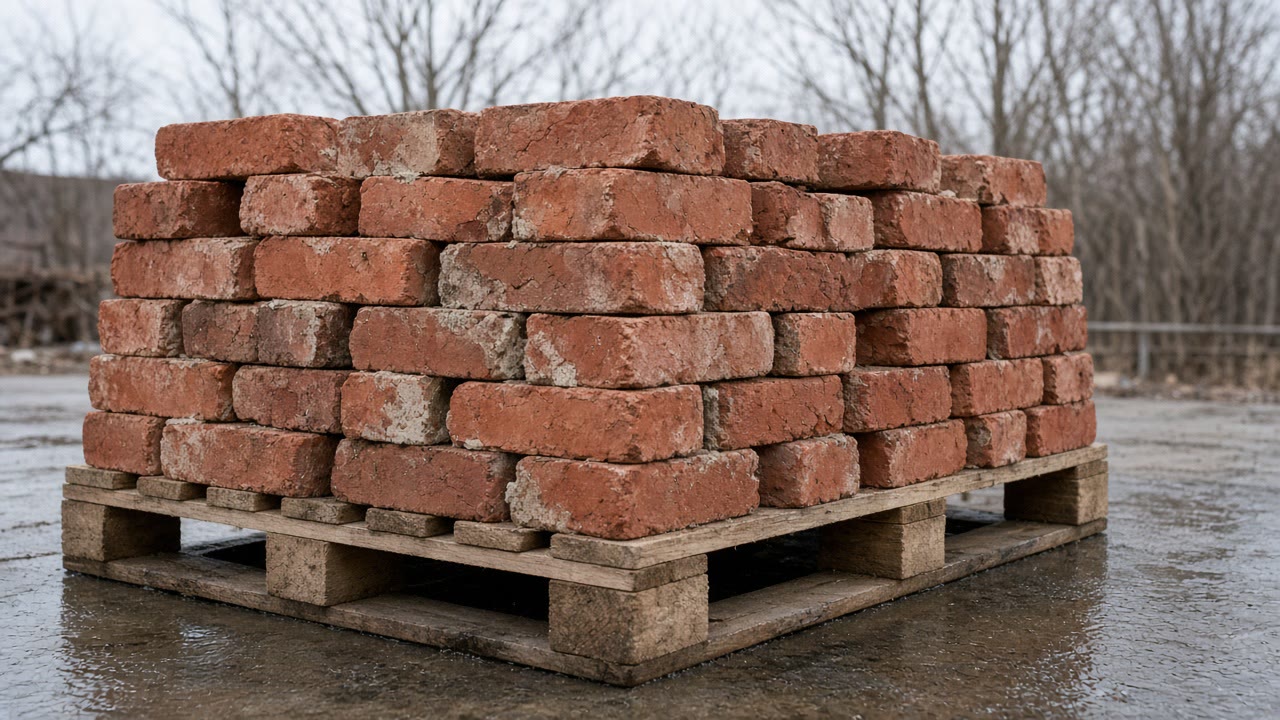
Stone, brick, or both on the same wall?
Send the Skaneateles address with a photograph of the joints. Stone and brick carry separate unit prices for good reason.
Other Skaneateles masonry down at ground level
Stone wall questions from Skaneateles
Why does the new mortar on our stone wall look so much lighter?
Almost always the sand. Sand is the largest ingredient by volume in a mortar, so its color and gradation are what the eye reads from ten feet away, and a bagged gray sand will never look like the local sand in a hundred year old joint. It can be matched, and the way to do it is to look at what is already in the wall rather than to tint the mix afterwards. Ask what sand is being used before the work starts rather than after.
Can the joints in a stone wall just be filled from the surface?
They can, and that is what fails. Where mortar has been lost more than an inch deep the guidance is to fill the deeper areas first in layers of about a quarter of an inch, packed well into the back corners, letting each layer reach thumb print hardness before the next goes on. Most of the shrinkage happens while the mortar hardens, so layering is what stops a new joint cracking away from the stone inside its first year.
Get a village stone wall read properly
Joints gone deep, a stone out of line, a sill lifting off its bed: describe it with the address, no obligation.