
Repointing Skaneateles Village Brick: Name the Type
Ask for a letter. Type S runs to 1,800 psi and Type O to 350, and on this village's brick that gap is the entire job.
Repointing quote in Skaneateles
Share a few details so we can confirm coverage and arrange the right next step.
Would you rather talk it through? Call (315) 640-3590, answered 24/7.
$100 off your first job
Credited by us on your first booked job.
- One credit per customer per property, on your first booked job.
- Valid through December 31, 2026.
Mention this offer when you book. Full terms.
54.3 percent prewar, and the psi gap between two letters
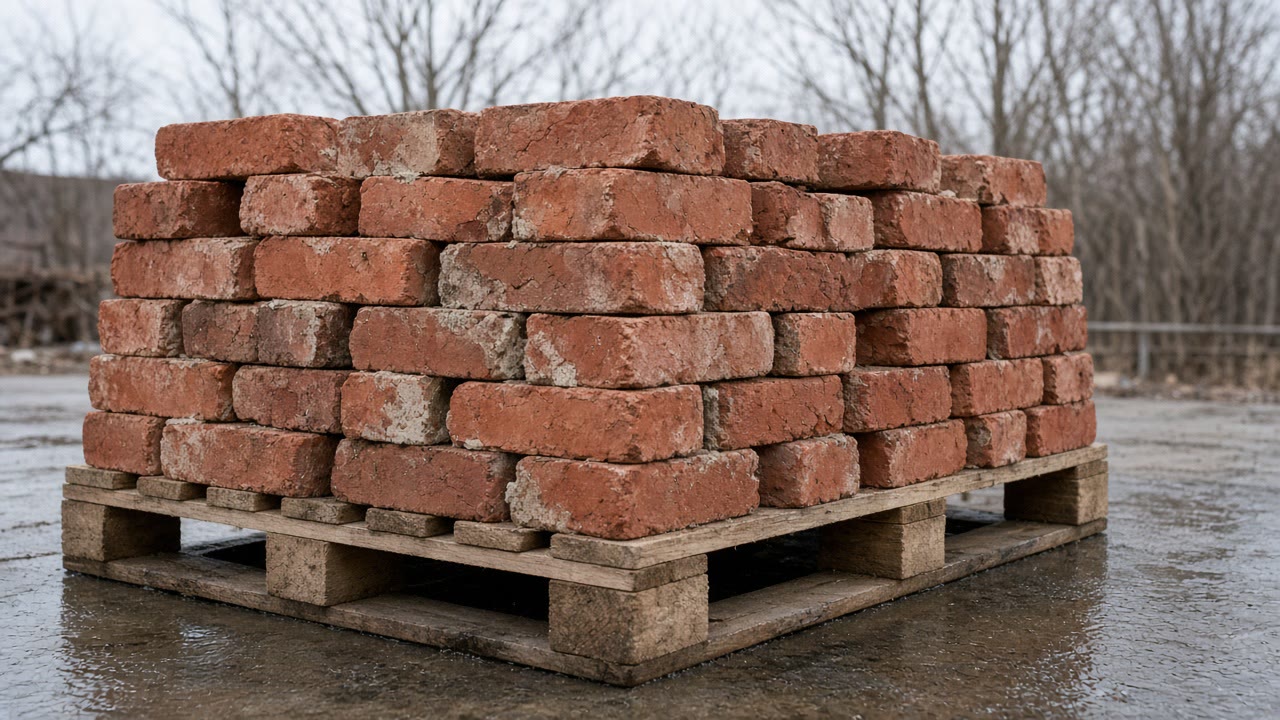
Skaneateles village has 1,353 housing units and a median year of construction reported as 1938 or earlier, with 54.3 percent built in 1939 or earlier, the highest pre-1940 share of any place of its size in Onondaga County. Only 13.1 percent of its stock dates from the 1940s and 1950s. The surrounding Town of Skaneateles has a median of 1956 and a pre-1940 share of 36.6 percent, itself well above the county figure of 22.6 percent.
Source: US Census Bureau, American Community Survey 2020-2024 5-year estimates, table B25034 Year Structure Built and table B25035 Median Year Structure Built, accessed 2026-09-10
Preservation Brief 2 explains that ASTM established five mortar types, each with a corresponding recommended mix, to distinguish high strength mortar from soft flexible mortars, and lists them in decreasing order of approximate general strength as Type M at 2,500 psi, Type S at 1,800 psi, Type N at 750 psi, Type O at 350 psi and Type K at 75 psi. The letters are taken from the words MASON WORK using every other letter. Type K has the highest lime content of the mixes that contain portland cement and is seldom used today except on some historic preservation projects. Proportions are always given in the order cement, lime, sand, so Type O is 1 to 2 to 9 and Type K is 1 to 3 to 11 or 1 to 3 to 10.
Source: National Park Service, Technical Preservation Services, Preservation Brief 2: Repointing Mortar Joints in Historic Masonry Buildings, by Robert C. Mack, FAIA, and John P. Speweik, 1998, accessed 2026-09-10
The Brick Industry Association reports that ASTM C270 offers two ways of specifying mortar by type, proportion specifications and property specifications, and that the proportion specifications are the default if neither is specified. Under the proportion method no laboratory testing is required either before or during construction, and the mix is set by volume: for cement and lime mortars, one part cement to a quarter part lime gives Type M, over a quarter to a half gives Type S, over a half to one and a quarter gives Type N, and over one and a quarter to two and a half gives Type O, with sand at not less than two and a half and not more than three times the sum of the cementitious volumes.
Source: Brick Industry Association, Technical Note 8, Mortars for Brickwork, March 2020, reporting the requirements of ASTM C270 Standard Specification for Mortar for Unit Masonry, accessed 2026-09-10
The letter that decides a Skaneateles repointing job
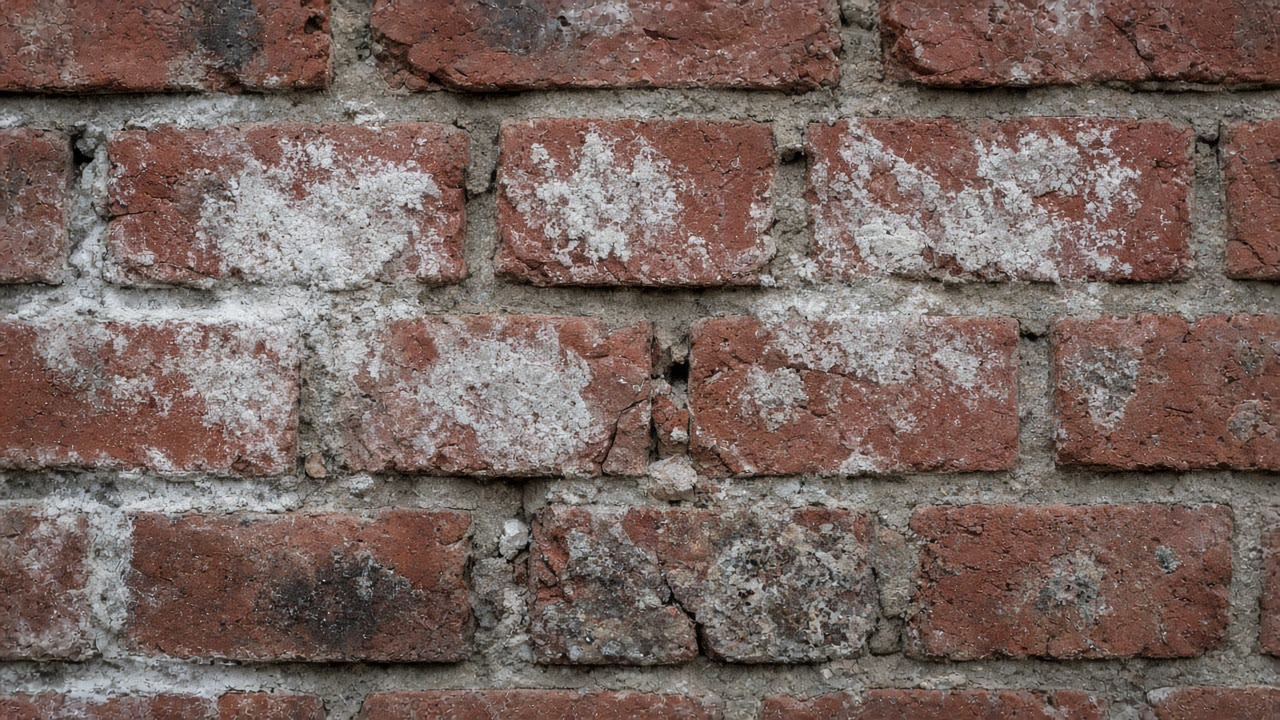
One comparison settles most of what can go wrong on a wall here. ASTM Type S mortar runs to 1,800 psi and Type O to 350, more than five times apart, and the brick in this village is the softest housing stock in the county: 54.3 percent of its 1,353 homes were built in 1939 or earlier, the highest prewar share of any place its size in Onondaga County. Put the strong one into the soft one and the joint stops giving, so the brick gives instead. That is why we put a letter into the scope rather than a promise to match the color.
How a mortar type gets chosen, and how it gets written down
Two practical things follow from that. The first is that you can ask for the type in writing, and a mason who will not name one has told you something useful. The second is how it gets specified: the standard offers a proportion route and a property route, and the proportion route is the default if nobody says otherwise, which means the mix is set by volume on site with no laboratory testing before or during the work. So the answer to how anyone knows it is softer than your brick can be a recipe rather than a lab report, and a recipe is a perfectly good answer if somebody will say it out loud.
Learn the letters before the quotes arrive
ASTM set five mortar types to separate high strength mortars from soft flexible ones: Type M at 2,500 psi, S at 1,800, N at 750, O at 350 and K at 75. Proportions are always written cement, lime, sand, so Type O is 1 to 2 to 9. Saying a letter out loud is the cheapest quality control available to a homeowner.
The mix can be specified by proportion
Under the standard there are two ways to specify a mortar by type, and proportion is the default if neither is named. On that route no laboratory testing is required and the mix is set by volume on site, with sand at not less than two and a half and not more than three times the cementitious volume. That is a specification a homeowner can hold a contractor to.
Village and town are both old, one more than the other
The village's median build year is reported as 1938 or earlier with 54.3 percent prewar, and only 13.1 percent of it comes from the 1940s and 1950s. The town around it has a median of 1956 and 36.6 percent prewar, itself well above the county's 22.6 percent. Both sides of the line need the soft answer.
Do you want the type in writing?
Send the Skaneateles address and a close photograph of one joint. Getting a letter named is the whole point of the exercise.
Other work we take on in the village and the town
Mortar questions from Skaneateles owners
What mortar type should be used on a Skaneateles village house?
It depends on the brick, which is why we will not print a letter here and call it an answer. What we will say is the shape of it. The softer types exist for exactly this kind of stock, the strong types were meant for hard stone and structural work, and five times the compressive strength is not five times the quality on a wall like yours. Ask for the type, ask how it was chosen, and ask for it in the contract rather than in conversation.
Is the Town of Skaneateles the same answer as the village?
Close enough that it does not flip, which is unusual around here. The village reports a median build year of 1938 or earlier with 54.3 percent prewar, and the town around it has a median of 1956 and 36.6 percent prewar, still well above the county's 22.6 percent. So both sides want the soft answer. What does change with the line is which counter issues a permit, so say which side you are on when you send the address.
Get a letter named for your Skaneateles wall
Joints washing out, a sill lifting, brick faces gone sandy: describe it with the address, no obligation.