
Stone Steps and Foundation Walls in Liverpool Village
Ground level work has a season here, and using it properly means the wall gets rebuilt once rather than patched twice.
Retaining Walls and Steps quote in Liverpool
Share a few details so we can confirm coverage and arrange the right next step.
Would you rather talk it through? Call (315) 640-3590, answered 24/7.
$100 off your first job
Credited by us on your first booked job.
- One credit per customer per property, on your first booked job.
- Valid through December 31, 2026.
Mention this offer when you book. Full terms.
The working season for a Liverpool wall
Steps that have dropped, a stone foundation losing its joints at grade, a low wall leaning toward the walk: this is the masonry you look at every day and put off every year. Two things are worth knowing before booking it in a village where half the housing predates 1940. The cause is water and it has to be dealt with first or the pointing is wasted. And the calendar is real: normal daily minimum temperatures in Syracuse stay below 40 degrees in every month from October through April, so a proper rebuild has a window and December is not in it.
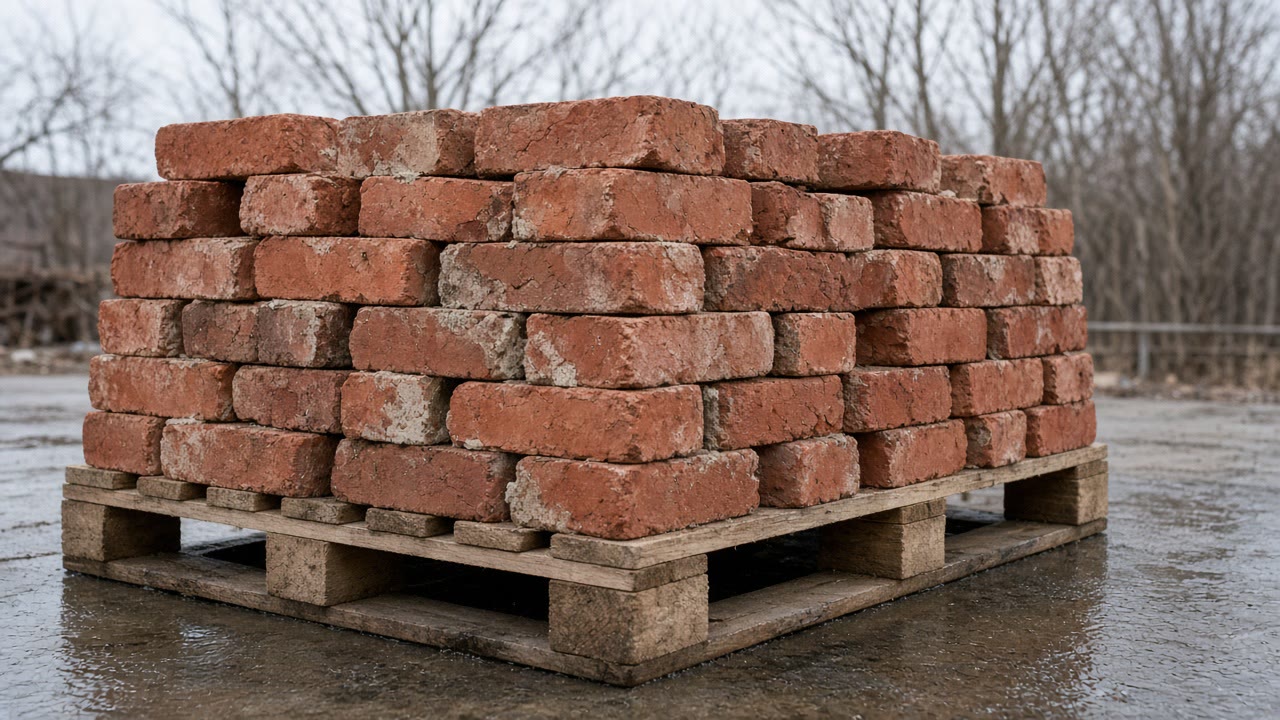
What retaining walls and steps involves
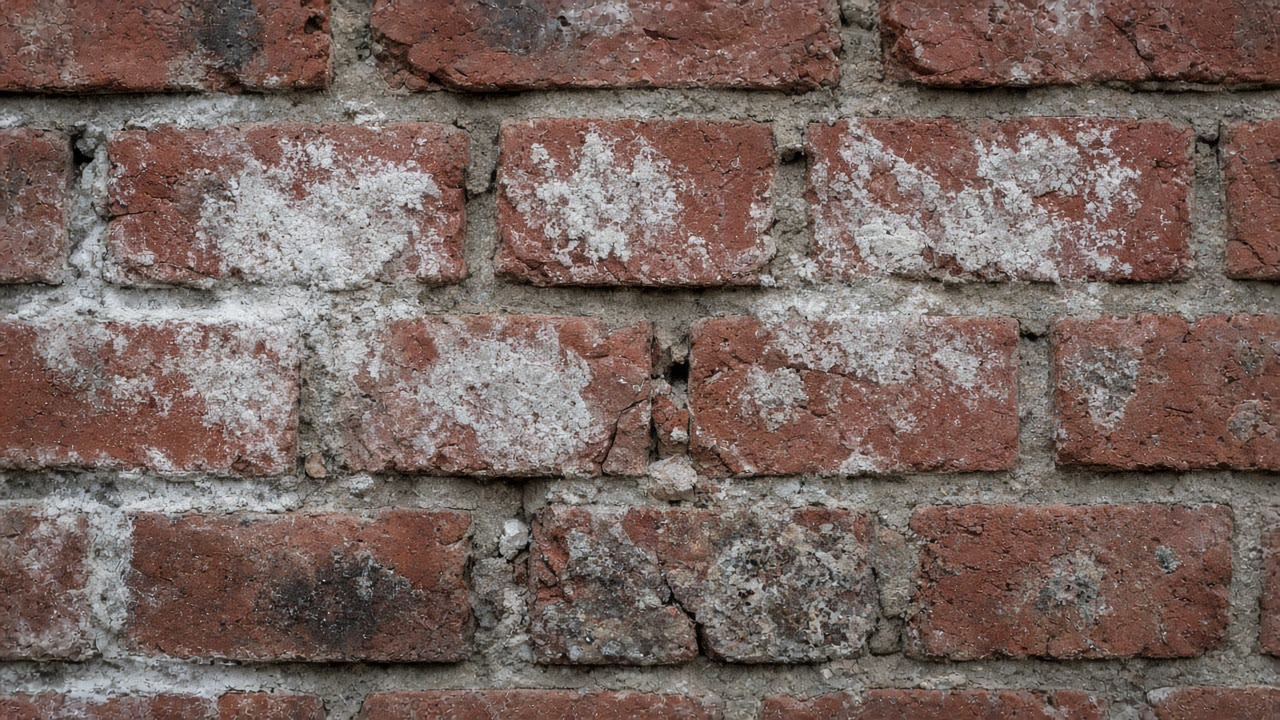

Fix the water, then pick the month
The federal guidance is unusually blunt here. The root cause, which it names as leaking roofs or gutters, differential settlement, capillary action causing rising damp, or extreme weather exposure, should always be dealt with before work begins, and without repairs to remove the source the deterioration continues and the repointing was a waste of time and money. At ground level in a village that cause is nearly always a downspout, a grade or a paved surface. Deal with it in the fall, rebuild in the spring, and you pay for this once.
Deal with the cause before the wall
Preservation Brief 2 lists the root causes as leaking roofs or gutters, differential settlement, rising damp and extreme exposure, and states that without appropriate repairs to eliminate the source, mortar deterioration will continue and any repointing will have been a waste of time and money. That sentence has saved homeowners more money than any technique on this site.
The calendar is part of the quote
Normal monthly mean temperatures here run from 23.6 degrees in January to 71.3 in July, and normal daily minima stay below 40 degrees in every month from October through April. Masonry being rebuilt or pointed wants warmer material than that, which is why the honest answer to an October phone call is sometimes a spring date.
There is no modern layer to borrow details from
50.2 percent of this village was built in 1939 or earlier and only 2.2 percent in the 1960s, so what is in front of you is what the house was built with. That usually means the wall needs understanding rather than replacing, and it is the reason a village quote should describe the existing construction before it describes the work.
Half the village predates 1940, and the months it can be worked
Liverpool village has 1,344 housing units and a median year of construction reported as 1938 or earlier. Of those, 50.2 percent were built in 1939 or earlier and 77.3 percent in 1959 or earlier, while only 2.2 percent were built in the 1960s. The surrounding Town of Salina, in which the village sits, has a median of 1960 and a pre-1940 share of 14.5 percent.
Source: US Census Bureau, American Community Survey 2020-2024 5-year estimates, table B25034 Year Structure Built and table B25035 Median Year Structure Built, accessed 2026-09-10
The normal monthly mean temperatures at Syracuse are 23.6 degrees Fahrenheit in January, 25.9 in February, 34.2 in March, 46.9 in April, 57.6 in May, 66.7 in June, 71.3 in July, 69.8 in August, 62.0 in September, 50.6 in October, 40.6 in November and 29.4 in December. Normal daily minima stay below 40 degrees in every month from October through April.
Source: NOAA National Centers for Environmental Information, 1991-2020 US Climate Normals, station USW00014771 Syracuse Hancock International Airport, accessed 2026-09-10
Preservation Brief 2 states that the decision to repoint is most often related to an obvious sign of deterioration such as disintegrating mortar, cracks in mortar joints, loose bricks or stones, damp walls or damaged plasterwork, but that it is erroneous to assume repointing alone will solve deficiencies that result from other problems. It states that the root cause of the deterioration, naming leaking roofs or gutters, differential settlement, capillary action causing rising damp, and extreme weather exposure, should always be dealt with before beginning work, and that without appropriate repairs to eliminate the source of the problem mortar deterioration will continue and any repointing will have been a waste of time and money.
Source: National Park Service, Technical Preservation Services, Preservation Brief 2: Repointing Mortar Joints in Historic Masonry Buildings, by Robert C. Mack, FAIA, and John P. Speweik, 1998, accessed 2026-09-10
Where is the water arriving at the wall?
Send the Liverpool address and say what sits directly above the damage. Half the answer is usually up there.
Other Liverpool masonry down at ground level
Steps and walls: what Liverpool owners ask
My front steps have dropped at one end. Can they be jacked back up?
Not usefully. If one end has dropped, something under that end has moved or washed out, and lifting the steps without dealing with it puts them back onto the same ground. The rebuild is the visible half of the work and the bearing and drainage underneath is the half that decides whether it holds. Photograph the steps from the side and from above, so both the drop and the place the water arrives are in the frame.
When is the right time of year to book ground level masonry in Liverpool?
Late spring through early fall for anything being built or pointed, because daily minimum temperatures here stay below 40 degrees in every month from October to April and mortar wants warmer masonry than that. Autumn is the right time for the drainage work: the downspout, the grade, the paving sitting against the house. That sequence costs nothing extra and it is what makes the spring job work the first time.
Get a Liverpool wall planned for the right season
Dropped steps, joints washing out at grade, a wall leaning into the walk: describe it with the address, no obligation.