
Repointing Inside the Liverpool Village Line
Village brick and town brick a mile apart are not the same wall, and the mortar written into your contract should not be the same either.
Repointing quote in Liverpool
Share a few details so we can confirm coverage and arrange the right next step.
Would you rather talk it through? Call (315) 640-3590, answered 24/7.
$100 off your first job
Credited by us on your first booked job.
- One credit per customer per property, on your first booked job.
- Valid through December 31, 2026.
Mention this offer when you book. Full terms.
50.2 percent inside the line, 14.5 percent outside it
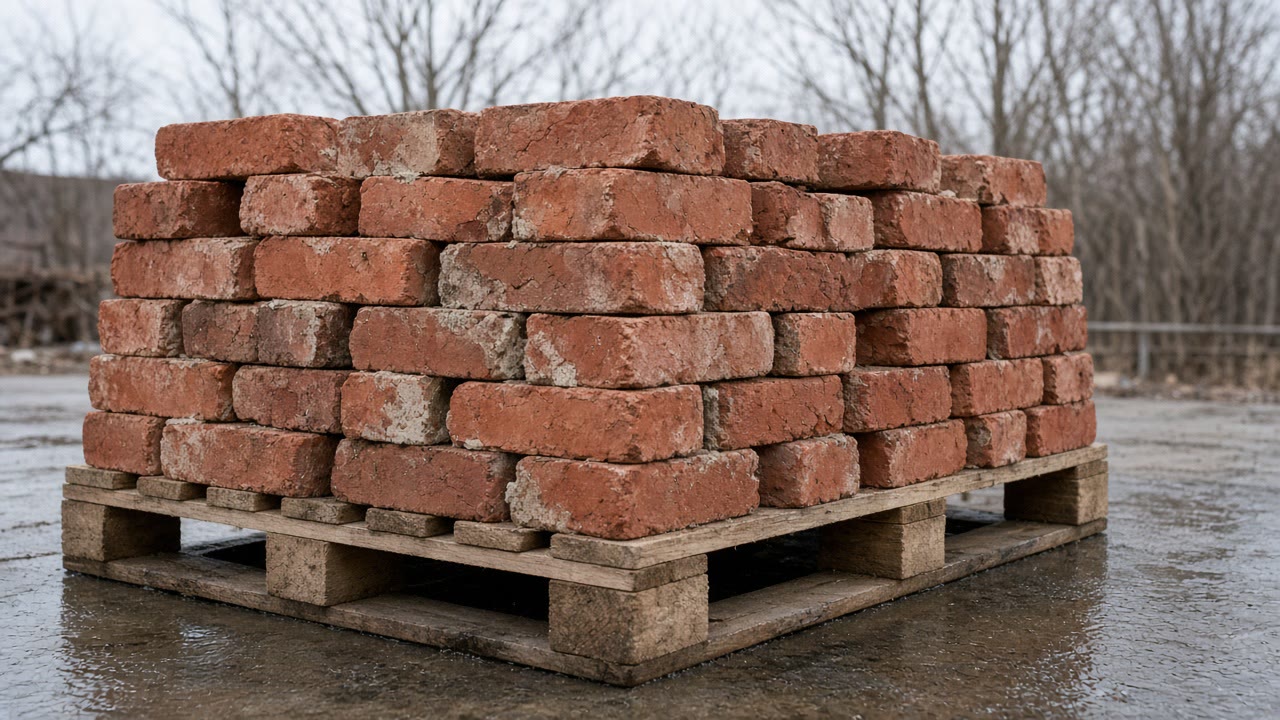
Liverpool village has 1,344 housing units and a median year of construction reported as 1938 or earlier. Of those, 50.2 percent were built in 1939 or earlier and 77.3 percent in 1959 or earlier, while only 2.2 percent were built in the 1960s. The surrounding Town of Salina, in which the village sits, has a median of 1960 and a pre-1940 share of 14.5 percent.
Source: US Census Bureau, American Community Survey 2020-2024 5-year estimates, table B25034 Year Structure Built and table B25035 Median Year Structure Built, accessed 2026-09-10
Preservation Brief 2 states that it is a common error to assume that hardness or high strength is a measure of appropriateness, particularly for lime-based historic mortars.
Source: National Park Service, Technical Preservation Services, Preservation Brief 2: Repointing Mortar Joints in Historic Masonry Buildings, by Robert C. Mack, FAIA, and John P. Speweik, 1998, accessed 2026-09-10
New York's regulation 19 NYCRR 1203.3(a)(1) requires each authority having jurisdiction to require building permits for work that must conform to the Uniform Code or the Energy Code, and allows it, where expressly set out in its own code enforcement program, to exempt any of eight listed categories. The eighth category is repairs, provided the work does not have an impact on fire and life safety, such as any part of the structural system, the required means of egress, or the fire protection system. The regulation adds that an exemption from the requirement to obtain a permit is not an authorization for work to be performed in violation of the Codes.
Source: New York Codes, Rules and Regulations, Title 19, section 1203.3, Minimum features of a program for administration and enforcement, via the Cornell Legal Information Institute, accessed 2026-09-10
Why the village line changes the mortar in Liverpool
Half of this village predates 1940 and the town wrapped around it barely does: 50.2 percent of Liverpool's 1,344 homes were built in 1939 or earlier, against 14.5 percent in the Town of Salina. That is the whole reason to say the property is inside the village when you ask what the mix is being matched to. A mortar chosen for a 1960s house on the other side of the line is harder than the brick on this side, and the federal guidance names the assumption behind that error directly: it is a common error to treat hardness or high strength as a measure of appropriateness, particularly on lime based historic mortar.
What needs a permit, and what needs a specification
Two different questions, and people run them together. The permit question belongs to the village: state regulation lets an authority having jurisdiction exempt repairs from a permit where its own enforcement program says so and the work does not touch fire and life safety, and it adds that an exemption is never authorization to work outside the codes. So ask the Code Official about your scope. The specification question belongs to you, it decides whether the brick is still there in twenty years, and nothing stops you asking for a named mortar type in the contract.
Harder is not better on village brick
The federal guidance calls it a common error to assume hardness or high strength measures appropriateness, particularly for lime based historic mortars. So the thing to ask for is a type, not a strength, and a quote that talks about a strong durable mix is answering a different question from the one your wall is asking.
A repair exemption is not a license
State regulation lets each authority exempt repairs from needing a permit, where its own program says so and the work does not affect the structural system, the means of egress or fire protection. The same regulation adds that an exemption is not authorization to perform work in violation of the codes.
Say which side of the line you are on
50.2 percent prewar inside the village against 14.5 percent in the Town of Salina is one of the sharpest splits in the county. Two houses a mile apart with the same trade name over the door need different mortar, so lead with the village when you describe the address.
Inside the village, or over the town line?
Send the Liverpool address and say which. It genuinely changes the mix we would put in writing for you.
Other masonry we take on at a village address
Repointing questions from Liverpool village
Does repointing need a permit in Liverpool?
Ask the village with your scope and expect the answer to depend on it. New York lets each authority exempt repairs from needing a permit where its own enforcement program says so, provided the work does not affect anything to do with fire and life safety, and the regulation is explicit that an exemption is not authorization to work outside the codes. Liverpool reads its permit trigger broadly, so this belongs to the Code Official rather than to a contractor's opinion.
How can I tell whether the last repointing used the wrong mortar?
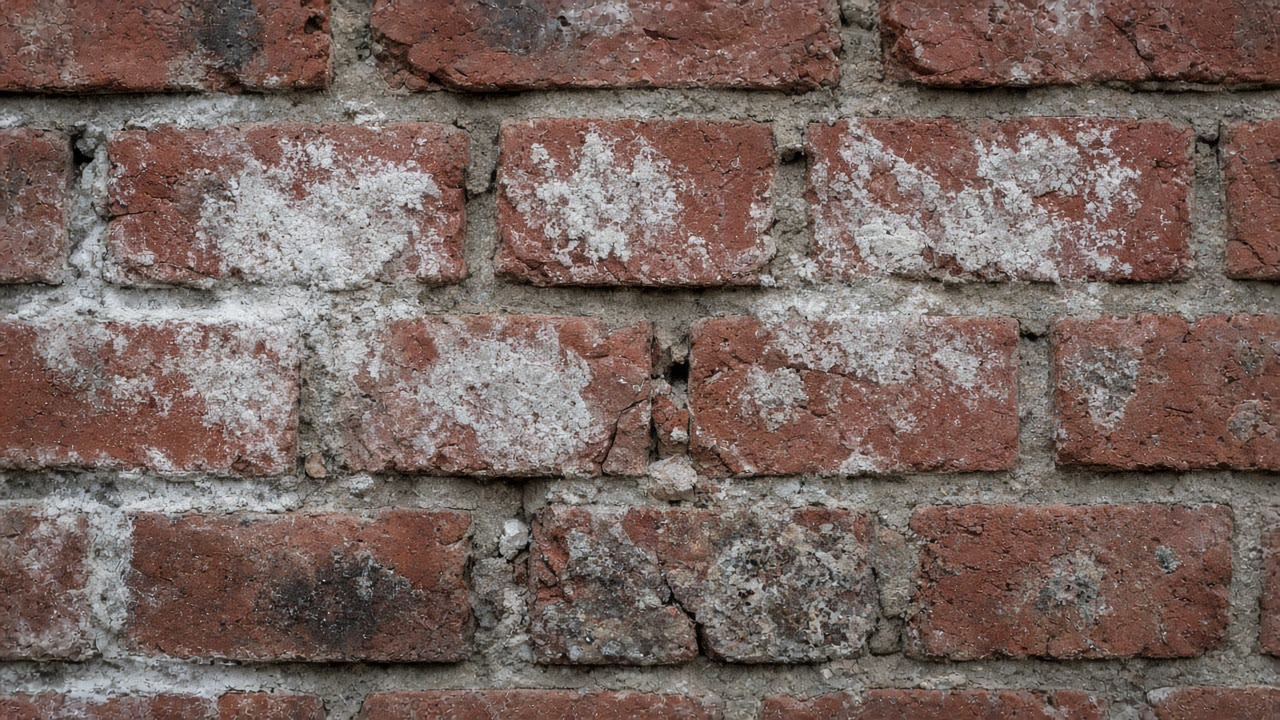
Look at where the damage sits. If the joints are crisp and the brick faces beside them are flaking, hollow or sandy, the joint has become the strong part of the wall and the brick is paying for it. If the brick is sound and the joints are washing out, that is ordinary wear and the wall is behaving as it was meant to. The first case is a reason to change the specification before another square foot gets done.
Get a mortar type named for village brick
Joints you can rake out by hand, hollow joints, faces lifting beside newer pointing: describe it with the address, no obligation.