
Reaching a Rusted Lintel in Liverpool Village
Nobody gets at a steel lintel without opening the brick above it, and opening brick is permitted work inside this village.
Lintel Repair quote in Liverpool
Share a few details so we can confirm coverage and arrange the right next step.
Would you rather talk it through? Call (315) 640-3590, answered 24/7.
$100 off your first job
Credited by us on your first booked job.
- One credit per customer per property, on your first booked job.
- Valid through December 31, 2026.
Mention this offer when you book. Full terms.
Why a Liverpool lintel job is a bigger conversation
Replacing a corroded steel angle means the masonry over the opening comes down and goes back, and that is the part homeowners do not expect. Liverpool's permit language covers the alteration, improvement, removal or demolition of any portion of a building, so opening a wall to reach a lintel is work the village expects to hear about. The odds are worth knowing too: 27.1 percent of Liverpool's housing falls in the 1940 to 1959 window, against 60.7 percent at Galeville, so a crack over a village window is as likely to come from an old arch or a stone head as from steel.
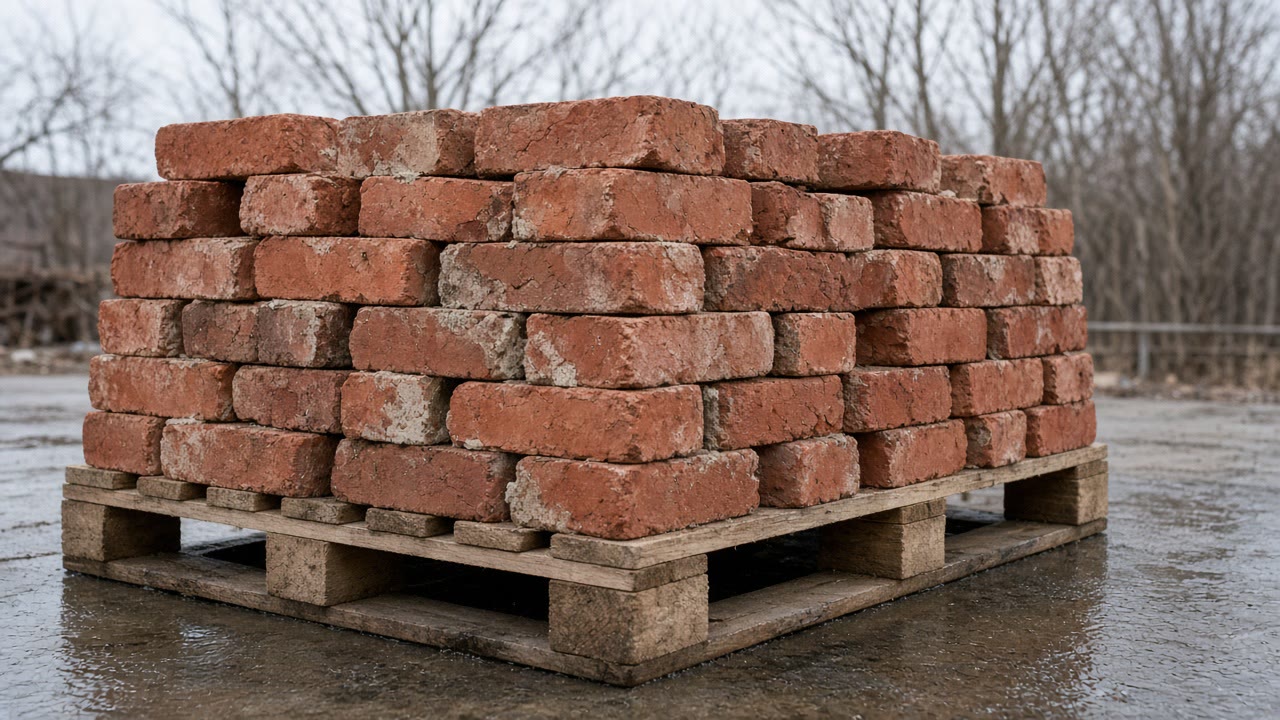
What lintel repair involves
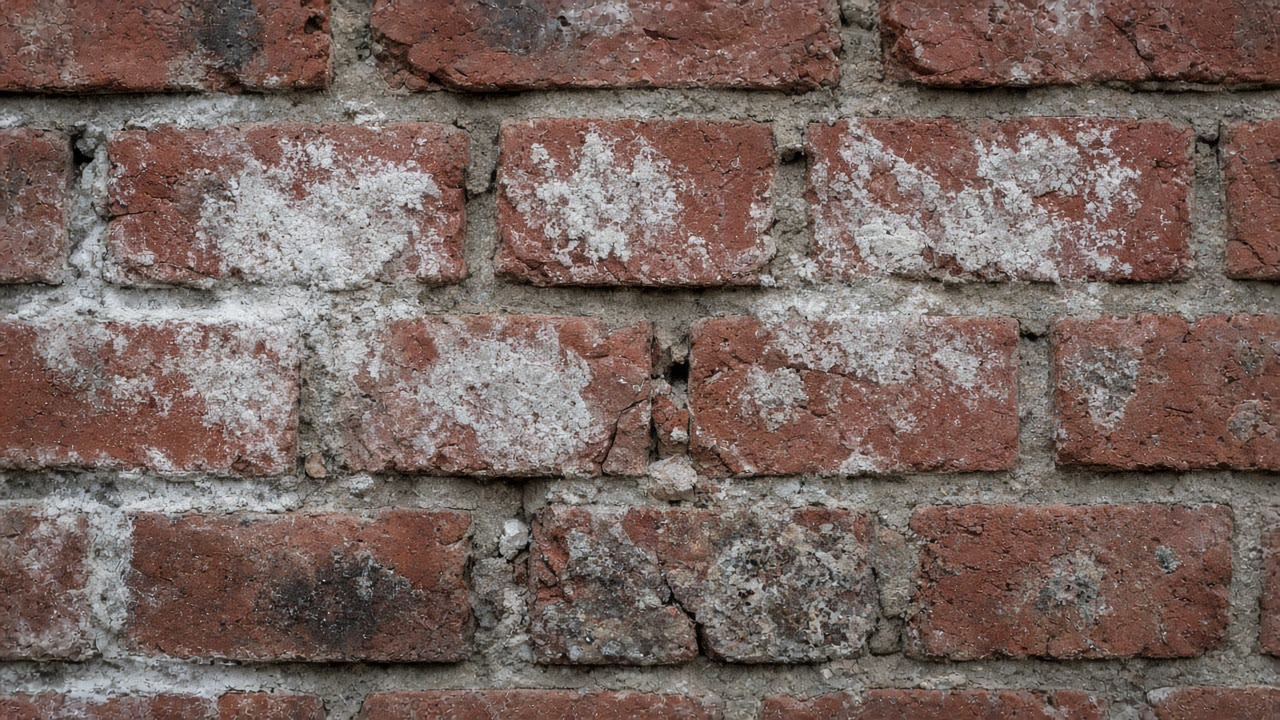

Repair the steel, or rebuild the opening
Two routes, and the cost sits a long way apart. If the steel has surface corrosion and the brick above it has not moved, the answer is cleaning and recoating and the wall stays shut. If the course above the opening is out of level, the brick comes down, the angle comes out and the opening gets rebuilt, which is the point where the permit conversation matters. Either way, ask what goes back: the code wants weepholes in the outer wythe at no more than 33 inches on center and at least three sixteenths of an inch across, immediately above the flashing.
Opening the wall is permitted work here
The village requires a permit for any work that must conform to the Uniform Code, the Energy Code or the zoning ordinance, and names the alteration, improvement, removal or demolition of any portion of a building. Brick taken down over an opening and rebuilt is squarely inside that language, so ask before the crew is booked.
Ask for weepholes and ties by the numbers
The code wants weepholes in the outside wythe at a maximum of 33 inches on center, not less than three sixteenths of an inch across, immediately above the flashing, plus additional metal ties around any opening greater than 16 inches in either dimension at not more than three feet on center and within 12 inches of it. Those are checkable, which is the point.
Flashing over the new steel is code, not generosity
Flashing is required at lintels and shelf angles as well as at window and door openings, under and at the ends of sills and copings, and at chimney to wall intersections. New steel and new brick with nothing over the angle and no route out corrodes on exactly the schedule the last one did.
27.1 percent in the steel decades, and what the code wants back
Ranked instead by the share of housing built between 1940 and 1959, the era in which steel angle lintels over openings became standard in brick and brick-veneer houses, the county orders itself completely differently: Galeville 60.7 percent, Seneca Knolls 58.9, Mattydale 54.6, Westvale 51.3, Lyncourt 47.1, Fairmount 42.7, North Syracuse village 38.5, Geddes town 37.1, Salina town 35.0, Solvay village 31.3, Camillus town 30.4, Liverpool village 27.1, Fayetteville village 26.8, East Syracuse village 26.4, DeWitt town 25.6, the City of Syracuse 23.3, Manlius town 22.3, Cicero town 19.7, Baldwinsville village 17.3, Marcellus town 15.1, Skaneateles village 13.1 and Clay town 12.8.
Source: US Census Bureau, American Community Survey 2020-2024 5-year estimates, table B25034 Year Structure Built and table B25035 Median Year Structure Built, accessed 2026-09-10
The Village of Liverpool states that it uses the most recent edition of the New York State Uniform Code, and that a building permit is required for any work which must conform to the Uniform Code, the Energy Code and the Village Zoning Ordinance, including but not limited to the construction, enlargement, alteration, improvement, removal, relocation or demolition of any building or structure or any portion thereof. It also states that no person shall commence any work for which a building permit is required without first obtaining a permit from the Code Official, and it publishes a separate Heating Appliance and Chimney Application among its permit forms.
Source: Village of Liverpool, New York, Building Safety and Code Enforcement, accessed 2026-09-10
Section R703.8.6 of the Residential Code of New York State requires weepholes in the outside wythe of masonry walls at a maximum spacing of 33 inches on center, not less than three sixteenths of an inch in diameter, located immediately above the flashing. Section R703.8.4.1.1 requires additional metal ties around wall openings greater than 16 inches in either dimension, spaced not more than three feet on center around the perimeter of the opening and placed within 12 inches of it.
Source: 2020 Residential Code of New York State, Section R703, Exterior Covering, via UpCodes, accessed 2026-09-10
Section R703.8.5 of the Residential Code of New York State requires that flashing be located beneath the first course of masonry above finished ground level above the foundation wall or slab, and at other points of support including structural floors, shelf angles and lintels, where masonry veneers are designed in accordance with Section R703.8. Section R703.4 additionally requires approved corrosion-resistant flashing, applied shingle fashion to prevent water entering the wall cavity or reaching the structural framing, at exterior window and door openings, at the intersection of chimneys or other masonry construction with frame or stucco walls, under and at the ends of masonry, wood or metal copings and sills, at wall and roof intersections and at built-in gutters.
Source: 2020 Residential Code of New York State, Section R703, Exterior Covering, via UpCodes, accessed 2026-09-10
Has the course above the window moved?
Hold a level on it and send the Liverpool address with the answer. That line separates two very different jobs.
Other Liverpool repairs that open up a wall
Opening repairs: what Liverpool owners ask
Can a rusted lintel be replaced without taking the brick down?
Not properly. The steel sits inside the wall with brick bearing on it, so reaching it means supporting and removing the masonry above the opening and rebuilding afterwards. That is why the honest first question is whether the steel needs replacing at all, because cleaning and recoating steel that has not lost real section leaves the wall closed and costs a fraction of the alternative. Establish that before anyone quotes a rebuild.
What should I ask about the rebuild over the opening?
Three things and all of them are checkable. Flashing over the angle, which the code requires at lintels rather than leaving to the mason's judgment. Weepholes at that level so water inside the wall can leave, at no more than 33 inches on center. And additional ties around the opening, required around any opening bigger than 16 inches in either direction. If those three are in the scope, the new work is not on the same countdown as the old work was.
Get a village opening assessed before it is opened
A step crack from a corner, a rust stain, a head out of level: describe it with the address, no obligation.