
Repointing in Salina Is Mostly Lintel Protection
In a town with a 1960 median, repointing is less about historic compatibility and more about keeping water off the steel in the wall.
Repointing quote in Salina
Share a few details so we can confirm coverage and arrange the right next step.
Would you rather talk it through? Call (315) 640-3590, answered 24/7.
$100 off your first job
Credited by us on your first booked job.
- One credit per customer per property, on your first booked job.
- Valid through December 31, 2026.
Mention this offer when you book. Full terms.
What repointing is actually for on a Salina wall
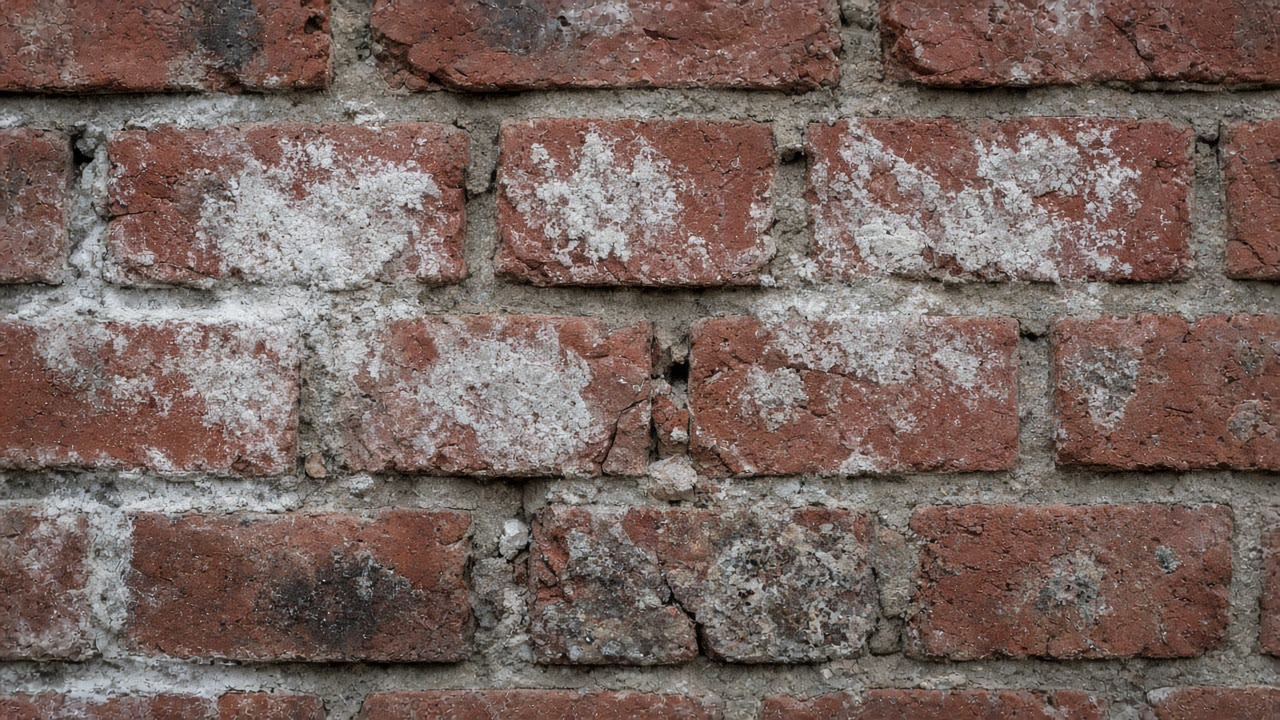
Here is the honest version for a town whose median house dates from 1960: the historic mortar compatibility argument is probably not your problem, and we would rather say that than sell it to you. What repointing does on a postwar Salina wall is keep water out of the wall, and that matters because of what is sitting inside it. The published prevention for corroding steel engaged in masonry is maintaining the wall so less water infiltrates, and it names repointing the joints, sealing where appropriate and repairing cracks regularly. That is the value here, and it is a real one.
What repointing involves
Which joints first, and which type
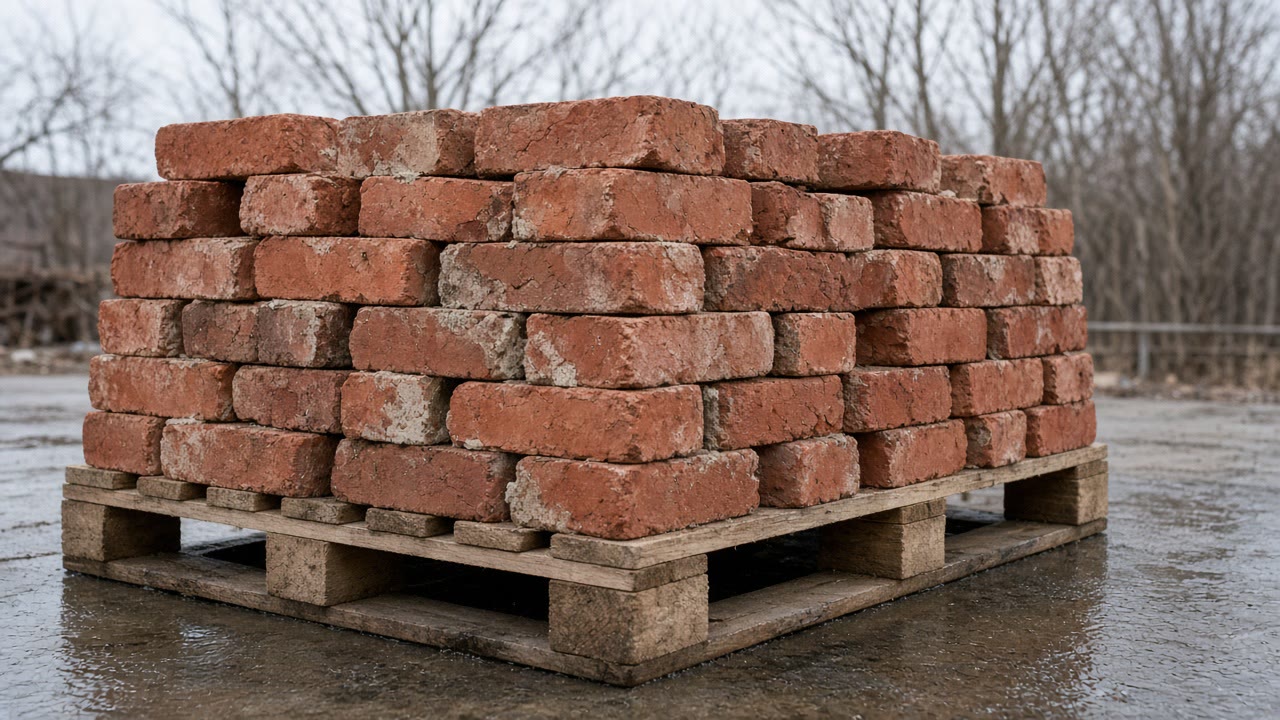
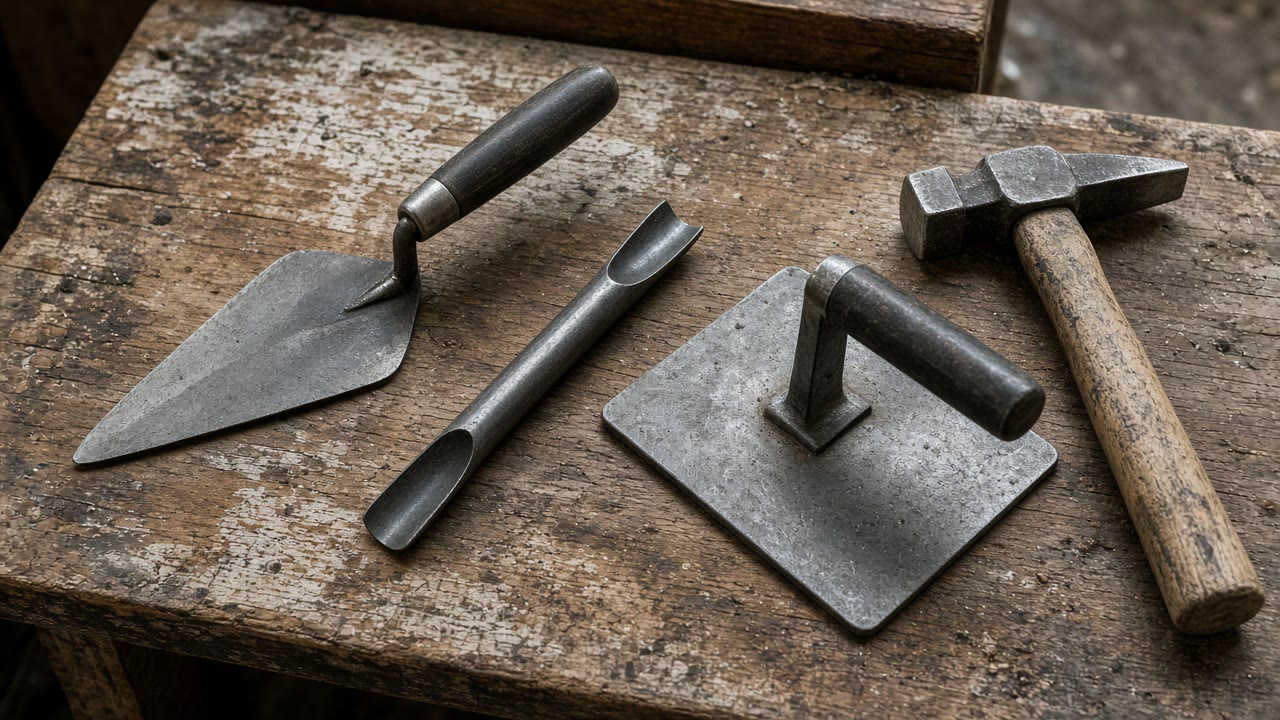
Two decisions, both straightforward on a postwar wall. Which joints: the ones above and around the openings first, because that is where water reaches steel, then the weather side, then the rest when it needs it. And which type: the brick industry's summary recommendation for normal use, including most veneer applications, is Type N, and on a house from the 1950s or 1960s that generally matches what is already there rather than compromising. Where that stops being true is the 14.5 percent of this town built before 1940, which wants the softer answer instead.
Repointing is the published prevention
On preventing corrosion damage to steel inside a masonry wall, the engineering view is that the rate and extent can be limited by keeping the wall serviceable so less water gets in, and that this typically includes repointing masonry joints, installing sealant repairs as appropriate and repairing cracks regularly.
Type N is the normal use recommendation
The brick industry's summary recommendation is Type N mortar for normal use, including most veneer applications. On a postwar Salina wall that is usually a match for what is there rather than a compromise, and it is a specification you can ask to see in the contract.
Leave the weepholes open
The code requires weepholes in the outside wythe at a maximum of 33 inches on center, not less than three sixteenths of an inch across, immediately above the flashing. A repointing run that fills them takes the wall's drainage path away, so ask specifically whether they are being kept or reopened.
A 1960 median, and what the joints are protecting
The Town of Salina has 16,016 housing units with a median year of construction of 1960: 14.5 percent built in 1939 or earlier, 9.8 percent in the 1940s, 25.2 percent in the 1950s and 12.6 percent in the 1960s, so 35.0 percent of the town was built in the two decades from 1940 to 1959. North Syracuse village has 3,072 units with a median of 1959, 14.9 percent pre-1940, and 38.5 percent built between 1940 and 1959. Within Salina the census places of Galeville and Mattydale reach 60.7 percent and 54.6 percent for the same 1940 to 1959 window.
Source: US Census Bureau, American Community Survey 2020-2024 5-year estimates, table B25034 Year Structure Built and table B25035 Median Year Structure Built, accessed 2026-09-10
On prevention, the article states that while preventing corrosion-related damage to steel members engaged within a masonry exterior wall can be challenging, the rate and extent of corrosion can be limited by maintaining the exterior wall in serviceable condition to minimize the amount of water infiltrating the wall, and that such maintenance typically includes repointing masonry joints, installing sealant repairs as appropriate, and repairing cracks in the masonry regularly.
Source: Deborah Slaton and David S. Patterson, AIA, both of Wiss, Janney, Elstner Associates, Expanding on structural steel, Failures column, The Construction Specifier, Construction Specifications Institute, December 7 2018, accessed 2026-09-10
The Brick Industry Association's summary recommendation in Technical Note 8 is to use Type N mortar for normal use, including most veneer applications, and to select the mortar type using the recommendations of Technical Note 8B.
Source: Brick Industry Association, Technical Note 8, Mortars for Brickwork, March 2020, reporting the requirements of ASTM C270 Standard Specification for Mortar for Unit Masonry, accessed 2026-09-10
Section R703.8.6 of the Residential Code of New York State requires weepholes in the outside wythe of masonry walls at a maximum spacing of 33 inches on center, not less than three sixteenths of an inch in diameter, located immediately above the flashing. Section R703.8.4.1.1 requires additional metal ties around wall openings greater than 16 inches in either dimension, spaced not more than three feet on center around the perimeter of the opening and placed within 12 inches of it.
Source: 2020 Residential Code of New York State, Section R703, Exterior Covering, via UpCodes, accessed 2026-09-10
Are the joints open above the windows?
That is the run that matters most here. Send the Salina address and say what the joints look like over the openings.
Other Salina work that shares the same access
Repointing questions from Salina homeowners
Is repointing worth it on a 1958 house?
Often yes, and for a different reason than on an old village house. On a postwar wall the joints are not protecting soft brick, they are keeping water out of the wall and away from the steel over the openings, and the published prevention for that corrosion is exactly this work: repointing joints, sealing where appropriate, repairing cracks regularly. If the joints are open and there is steel over every opening, the maintenance argument is strong. If the joints are sound, we will tell you to leave them alone.
What mortar type suits a Salina veneer wall?
Usually something in the normal range rather than a lime rich historic mix, and the brick industry's own summary recommendation is Type N for normal use including most veneer. What matters more on your house is where the pointing happens and whether the weepholes survive it, because the code puts them at no more than 33 inches on center immediately above the flashing and a run of new mortar can close every one of them. Ask about that specifically.
Get Salina joints ranked by what they protect
Open joints over an opening, a weather wall washing out, mortar gone soft underfoot: describe it with the address, no obligation.