
Replacing Spalled Brick on a Syracuse Elevation
Flaking and popping brick faces have a cause, and finding it is what stops the replacements going the same way.
Brick Replacement quote in Syracuse
Share a few details so we can confirm coverage and arrange the right next step.
Would you rather talk it through? Call (315) 640-3590, answered 24/7.
$100 off your first job
Credited by us on your first booked job.
- One credit per customer per property, on your first booked job.
- Valid through December 31, 2026.
Mention this offer when you book. Full terms.
Why the faces came off this city wall
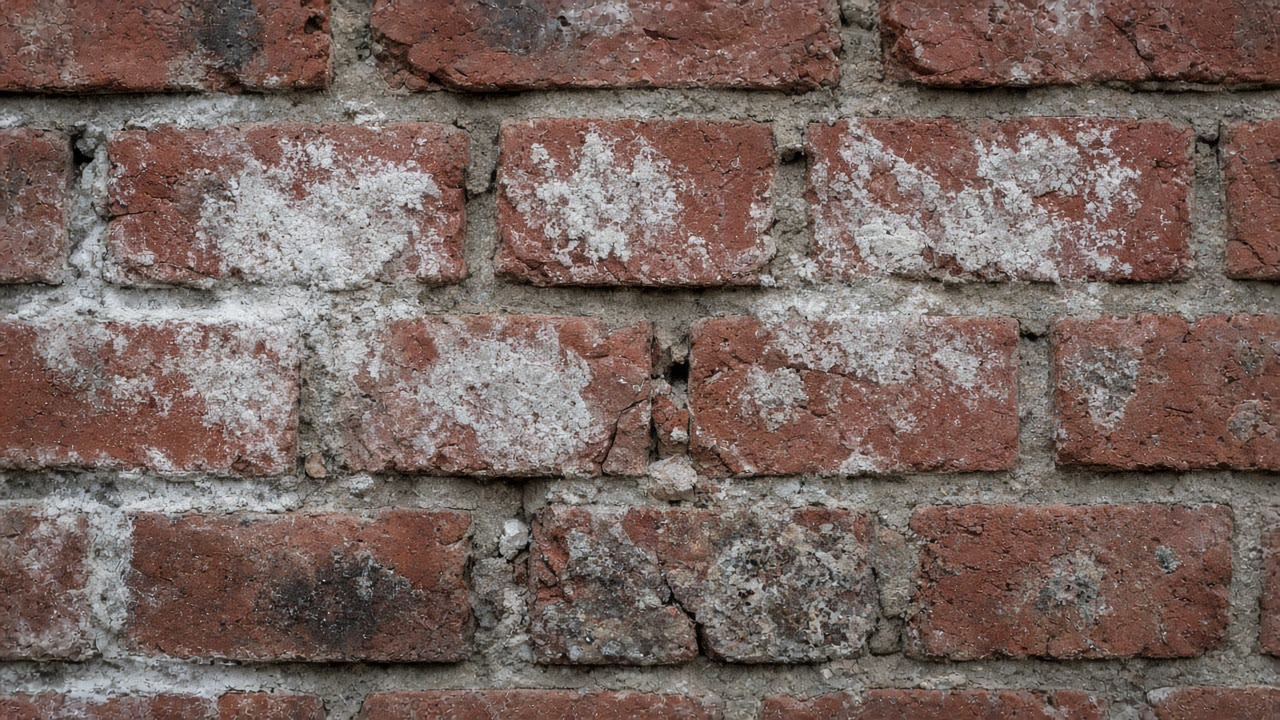
When brick faces flake, pop or crumble away, the failed units get cut out and replaced, and the valuable half of the job is working out what did it. On a city elevation the usual answer is a previous repointing run in a hard, dense mortar: the wall could no longer breathe through its joints, so moisture left through the face of the brick instead and took the fired skin with it. Syracuse sits at 43.1 percent pre-1940 on a county ranking that runs all the way down to 3.2 percent at Clay, so the soft brick this ruins is ordinary here rather than exotic.
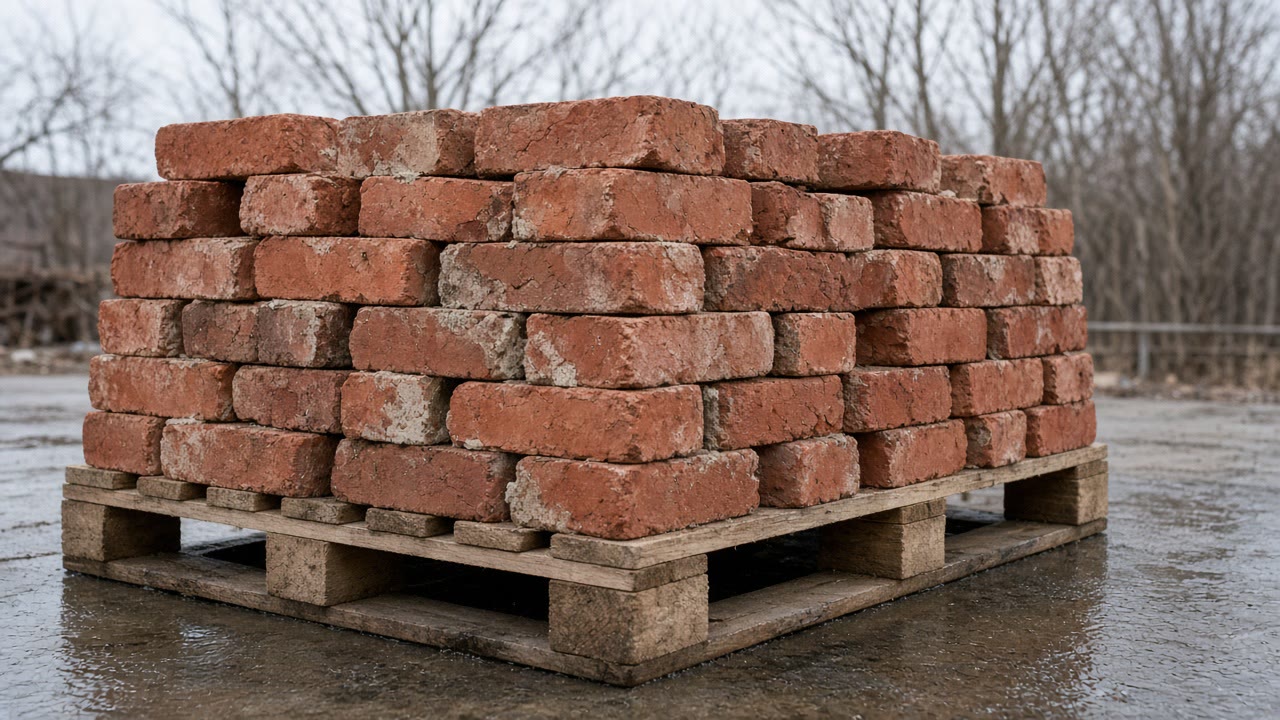
What brick replacement involves

Match it, salvage it, or turn the brick around
Replacement brick gets chosen on how it absorbs water as much as on size, texture and color, and the honest position is that nothing on sale today disappears into a hundred-year-old city wall. Three routes are open. Source the closest current unit and accept that it reads as newer. Salvage sound original brick off a rear elevation and use it on the street face. Or turn weathered units and reset them. What you should not accept is new brick bedded in the same hard mix that caused the failure.
Establish the cause before any units come out
The federal photograph of this exact failure is captioned plainly: hard portland cement mortar less permeable than the soft brick trapped moisture in the wall until water pressure popped the surface off the bricks. If that is your wall, the mortar specification has to change at the same time as the brick.
Absorption matters more than color
A replacement that drinks differently from its neighbors weathers on a different schedule from them, and on a street elevation that shows up as a patch within a few winters. Match how the brick behaves first, then how it looks.
Modern materials over old masonry carry a warning
New York's preservation office states in its own guidance that using modern materials over existing wood or masonry may lead to future moisture damage and will diminish the historic appearance. On a contributing building that is the standard the work answers to, not a matter of taste.
Where Syracuse sits on the county's soft brick ranking
Ranked by the share of housing built in 1939 or earlier, the places of Onondaga County spread very widely: Skaneateles village 54.3 percent, East Syracuse village 54.0, Liverpool village 50.2, Solvay village 43.1, the City of Syracuse 43.1, Marcellus village 38.4, Skaneateles town 36.6, Camillus village 32.2, Marcellus town 31.8, Baldwinsville village 20.6, Fayetteville village 20.7, DeWitt town 18.7, North Syracuse village 14.9, Salina town 14.5, Manlius town 11.2, Cicero town 6.9, Camillus town 6.1 and Clay town 3.2.
Source: US Census Bureau, American Community Survey 2020-2024 5-year estimates, table B25034 Year Structure Built and table B25035 Median Year Structure Built, accessed 2026-09-10
Preservation Brief 2 publishes a National Park Service photograph of the failure with this caption: the use of hard portland cement mortar that is less permeable than the soft bricks has resulted in severe damage to this brick wall, moisture trapped in the wall was unable to evaporate through the mortar which is intended to be sacrificial and thus protect the bricks, and as a result the moisture remained in the walls until water pressure eventually popped the surface off the bricks.
Source: National Park Service, Technical Preservation Services, Preservation Brief 2: Repointing Mortar Joints in Historic Masonry Buildings, by Robert C. Mack, FAIA, and John P. Speweik, 1998, accessed 2026-09-10
In its guidance on eligible work under the same program, the State Historic Preservation Office states that exterior and interior work is eligible as long as the work does not significantly change the house's overall historic appearance, and warns that the use of modern materials over existing wood or masonry may lead to future moisture damage to the structure and will diminish the historic appearance of the building.
Source: New York State Office of Parks, Recreation and Historic Preservation, State Historic Preservation Office, Historic Homeownership Rehabilitation Tax Credit Program, accessed 2026-09-10
Is the flaking spreading, or holding still?
Send a photograph of the worst square yard with your Syracuse address. Whether it is moving decides whether this is a job for this year.
Work that usually travels with brick replacement here
What city homeowners ask about failed brick
My brick is flaking but the wall looks fine otherwise. Can it wait?
Sometimes, and that is a real answer rather than a soft one. A few popped faces on a sheltered elevation are not an emergency. What you cannot leave is flaking that spreads year on year, because once the hard outer skin has gone the soft core drinks water and the next freeze takes more of it. The test is simple: did this winter take more brick than last winter did. If you are not sure, photograph the worst patch now and you will know by spring.
Can you match the brick on a Syracuse house from the 1920s?
Close, not invisible, and anyone promising otherwise is selling. The sizes and clays of that period are largely out of production, so the real work is sourcing the nearest current unit, salvaging sound original brick from a rear or hidden elevation for the visible face, or resetting weathered units turned to a better side. We would rather say that at the start than have you find out when the scaffold comes down.
Have a city elevation read before it is priced
Popped faces, crumbling units, a patch someone has already tried: describe it with the address, no obligation.